What a Colorado search and rescue coordinator and wildland firefighter thinks you should know as about outdoor recreation this summer
Major wildfires have impacted recreation on the Colorado River and national forest lands in the state this summer

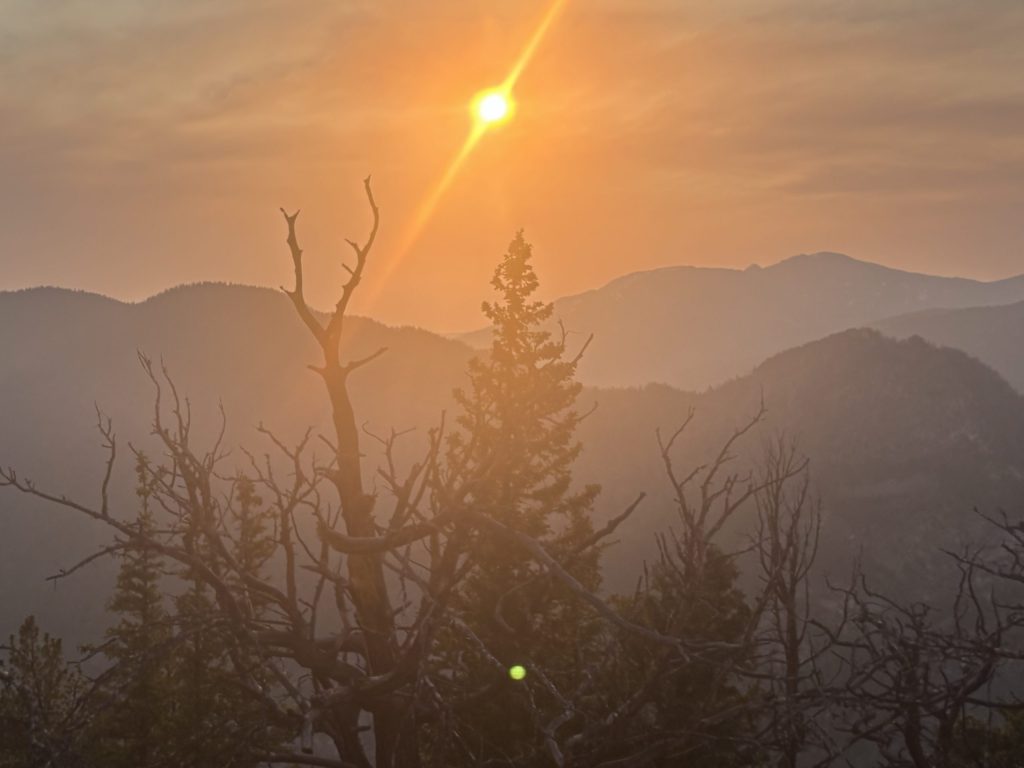
Ryan Spencer/The Aspen Times
As wildfires burn across the state, Colorado Search and Rescue state coordinator Trevin Montano thinks there are a few things that anyone recreating in the mountains this summer should know.
Montano, a volunteer search-and-rescue member who also works as a wildland firefighter, knows what it’s like to be on the front lines of a wildfire. He said that in addition to respecting campfire bans, anyone recreating outside should plan ahead for the risk of wildfires — and what to do if one breaks out nearby.
“My biggest advice for people that’re getting out and about with wildland fires is never underestimate how fast a fire can move,” Montano said. “It’s not uncommon to say a fire went seven or eight miles in a single day or burned up 30,000 acres in a couple hours. That’s not super uncommon.”
Wildfires this season have destroyed hundreds of homes and forced thousands of people across the state to evacuate. There were nine large fires and almost two dozen smaller fires burning in Colorado as of Monday morning, according to the state’s Wildland Fire Status Dashboards.
After last winter’s record-low snowpack, Colorado’s Western Slope is experiencing severe drought and extreme fire risk. Nearly every mountain community has instituted Stage 2 fire restrictions banning campfires and other activities, such as smoking outside.
Wildfires can bring a number of risks — including heat, flames and smoke — that can impact where and how people choose to recreate, Montano said. He said that the possibility of wildfires requires an additional layer of preparation and reinforces the importance of best practices, like trip planning and carrying the 10 essentials.
“This is adding another risk. I don’t want to stop people from going outside,” Montano said. “Go outside, enjoy the forest, enjoy the beautiful scenery that the state of Colorado gives you, but just keep in mind that risk.”
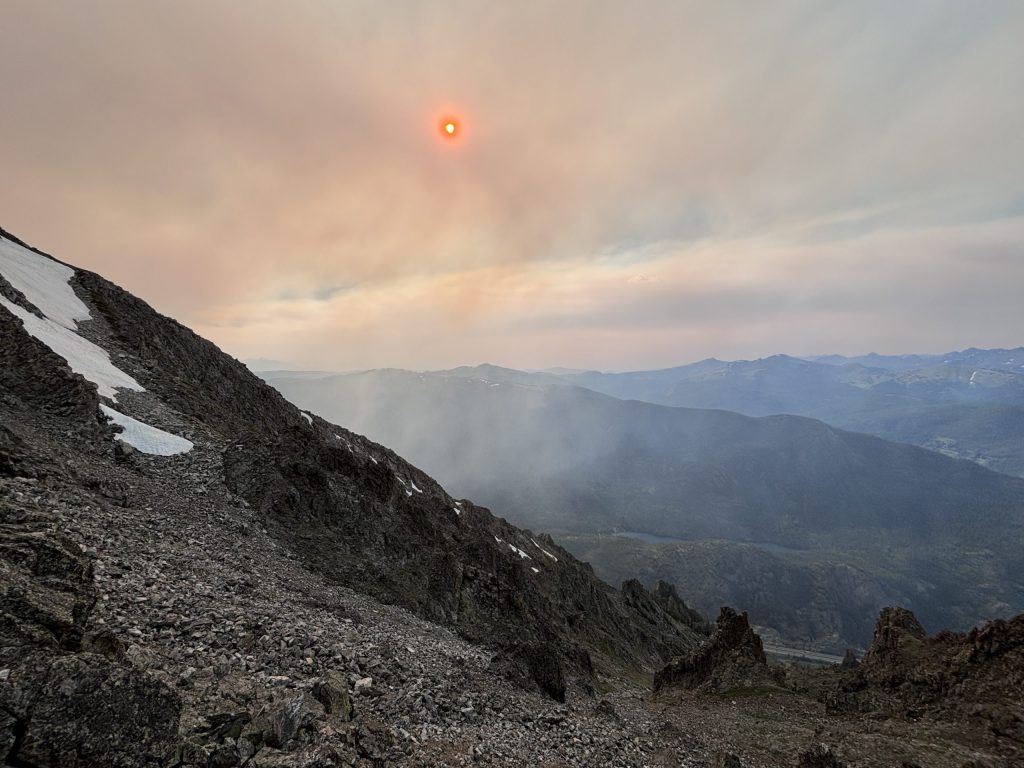
Wildfires are impacting recreation across Colorado
Wildfires have burned more than 200,000 acres across Colorado so far this season, according to officials. The Aspen Acres Fire — the largest wildfire in the state — has burned more than 100,000 acres, making it the seventh largest in Colorado’s history.
Many of the wildfires this year have burned on or near well-loved public lands and popular recreation areas, sometimes forcing the evacuation or closure of campgrounds, trails, waterways and other outdoor areas.
In June, the Mesa County Search and Rescue reported that it evacuated 120 boaters and six dogs from the Colorado River, as the Snyder Fire spread toward the water. The Willow Fire that sparked last month from human causes also prompted the evacuation of campers at Turquoise Lake Recreation Area and thru-hikers on the Colorado Trail west of Leadville.
The Ferris Fire has scorched almost 65,000 acres in the San Juan National Forest since it ignited in June, leading the U.S. Forest Service to issue closures in the area, according to wildfire officials. Meanwhile, the Gold Mountain Fire that has burned about 38,000 acres near Ouray has also led to public land closures due to firefighting.
The Fishhook and Green Ridge fires that sparked near Steamboat Springs this month prompted evacuations of nearby public land and briefly closed the Stagecoach Reservoir to all boating so firefighting aircraft could use the water.
The Hartman Hill Fire was also discovered burning in Grand County on Sunday near the Upper Colorado River Recreation area.
Checking local wildfire conditions
Colorado search and rescue officials recommend always checking local wildfire and smoke conditions, in addition to the weather, before heading out to recreate.
Montano noted that at high elevation in the Colorado mountains, where the thin air already makes it harder to breathe, the impacts of wildfire smoke can be compounded. He said smoke can move into an area “faster than most people can anticipate or imagine.”
“I’ve seen fires that are only 2 acres big, but depending on what they’re burning — if it’s a structure or a really thick part of the forest — it can make it really hard to breathe because there’s all that particulate matter in the smoke,” Montano said.
A fresh N95 mask can be a useful item to add to your pack, in case of smoke, Montano said. He also noted that it is important to carry extra water since hot, smoky conditions can dehydrate people quicker.
Anyone who is recreating in the backcountry should also leave a trip plan — with details about where you are going, when to expect you back and what you’re wearing — with a friend who is remaining behind, according to the Colorado Search and Rescue Association.
This information could prove vital for rescuers, if a wildfire breaks out near you’re recreating, Montano said. He said it is also good to stick to areas that have at least two routes in and out, so that you don’t become trapped if a wildfire sparks, cutting off one route.
Because wildfires can impact cell service coverage, Montano suggested carrying a paper map of the local area and a satellite device that could be used to contact emergency services, if you need help.
He noted that wildfires can make backcountry rescues more difficult, including if smoke is too thick for helicopters to fly, and it may take longer for search and rescue volunteers to reach you if there is a wildfire nearby.
“If you twist your ankle, and they know that this fire is potentially going to move that way, now we’re putting other people at risk,” Montano said. “We’re going to risk a lot to save a lot, which don’t get me wrong — we’ll come. But just keep in mind the unknown things that could happen later down the road.”
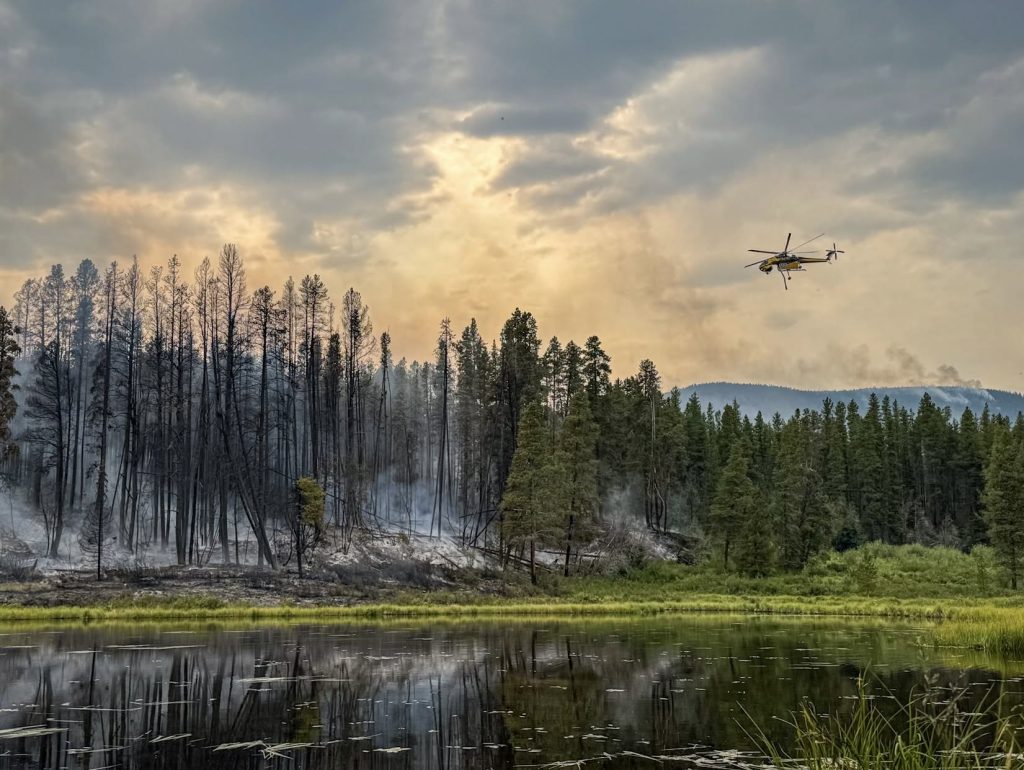
What to do if you see a wildfire while recreating
Anyone who sees a column of smoke that could be from a new wildfire, should immediately contact 911, according to wildfire officials.
Montano noted that even if there is no service in a backcountry area, it is often still possible to text or call 911. He suggested relaying the coordinates of your location and a description of where the wildfire is burning, if you encounter one while out recreating.
“If you’re hiking near a fire and it’s any size, don’t go off trail and go see it and look at it,” Montano said. “Fires can move fast. They can move fast going uphill. They’re known to run uphill. So if you’re hiking in the area and you want to see what it looks like — don’t do that. Stay away from it.”
Any time that there is a wildfire burning nearby, it is also illegal and dangerous to fly a drone nearby, according to the Federal Aviation Administration.
Montano noted that if there is a drone flying near a wildfire, officials will shut down all air assets and could lose precious time in preventing the spread of the blaze.
“The second that someone says they think they see a drone, that’s going to cut down all aviation assets and they won’t launch until they can confirm that there is no drone — and that could take from five minutes to a couple of hours,” he said.
Finally, if the wildfire is approaching the area where you’re recreating, Montano said there’s not time to waste — get out of there.
“Don’t be afraid to make yourself lighter to get out of the situation,” he said. “Drop your pack. Drop whatever is going to slow you down and get out of the hazardous area.”
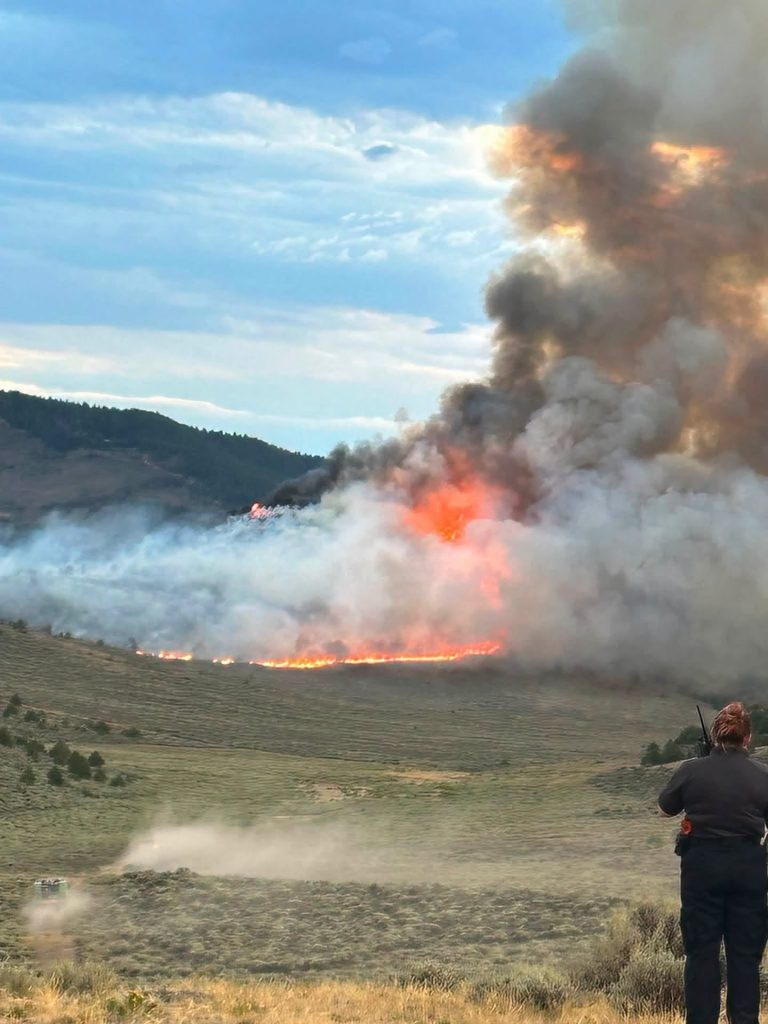


Support Local Journalism
Support Local Journalism
The Sky-Hi News strives to deliver powerful stories that spark emotion and focus on the place we live.
Over the past year, contributions from readers like you helped to fund some of our most important reporting, including coverage of the East Troublesome Fire.
If you value local journalism, consider making a contribution to our newsroom in support of the work we do.