Grand County rancher says drought and rising costs outweigh beef tariff concerns
The Trump administration temporarily extended lower-tariff imports of lean beef, raising concerns from national ranching groups. Grand County rancher Tim Ritschard says that ranchers are more concerned about this year's drought and operating costs.

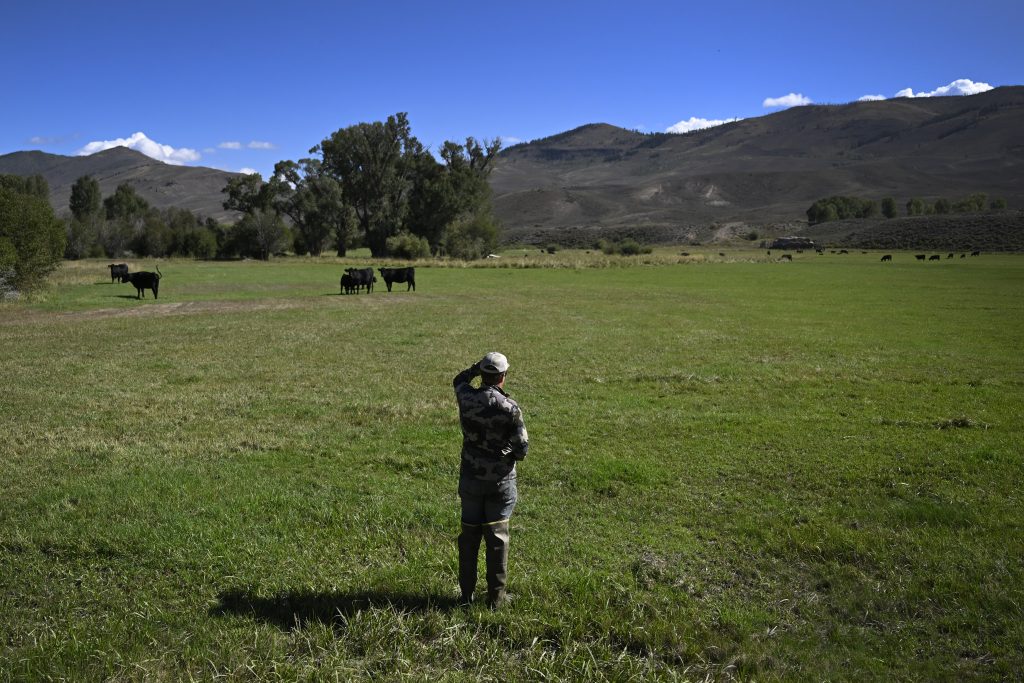
Tim Rasmussen/Sky-Hi News
While national agriculture groups warn that a temporary increase in lower-tariff beef imports could hurt cattle producers during a critical fall selling season, one Grand County rancher says there are bigger concerns closer to home.
Last week, the Trump administration announced a temporary increase in the amount of imported lean beef that can enter the country at a lower tariff rate. The change applies to 300,000 metric tons of imported ground beef and took effect Sept. 1.
The administration said the change is intended to increase the nation’s supply of affordable beef by encouraging products to be sold at a 25% discount, according to a fact sheet released by the White House.
But the American Farm Bureau Federation said the 90-day period conflicts with a key sales period for ranchers between September and November, according to a report by CBS News.
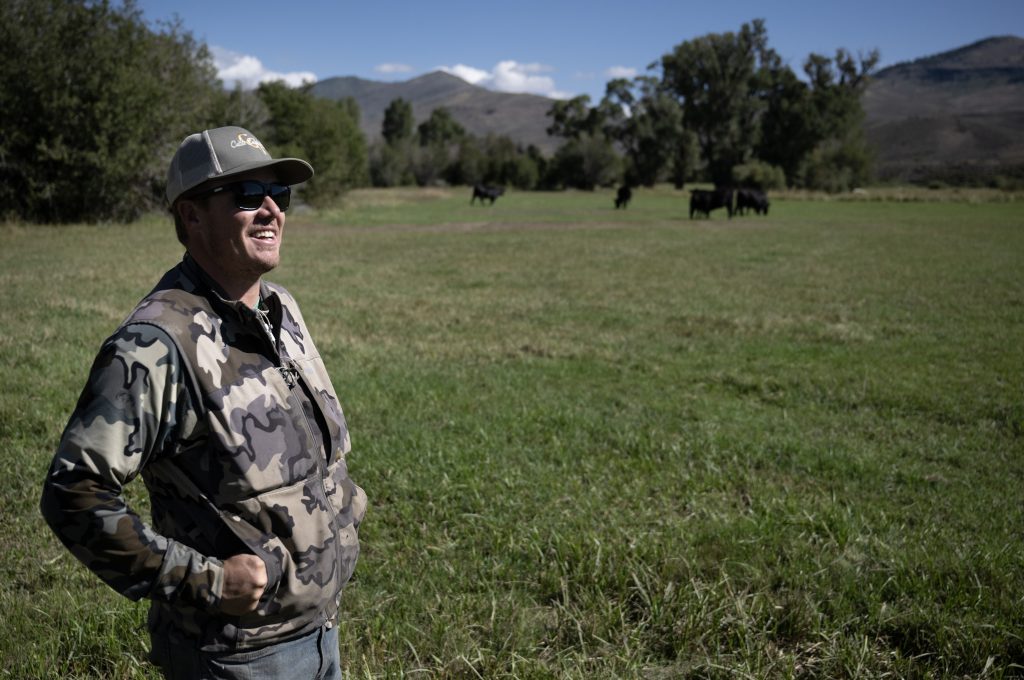
Tim Ritschard, a Grand County rancher and president of the Middle Park Stockgrowers Association, said reduced tariffs have yet to concern ranchers. This summer, beef prices reached record highs as the nation continued to grapple with historically tight cattle supplies following droughts and wildfires, according to a report by USA Today.
In June, live cattle futures reached about $2.55 per pound, according to Trading Economics. This week, live cattle futures have fallen to around $2.14 per pound. Despite the decline, Ritschard said cattle remain quite valuable.
“What I’m hearing is that even though the price of cattle is lower, it’s much higher than it still has been in previous years,” he said. “The concern probably isn’t as great as some of those 2022, 2020 numbers.”
In January 2022, live cattle futures were valued at around $1.33 per pound, according to Trading Economics. Unless the increased import quota pushes live cattle prices toward similar levels, Ritschard said Grand County ranchers face more pressing problems.
2026 has been a particularly difficult year for cattle producers, largely because of the drought, according to Ritschard and a June article published by Sky-Hi News
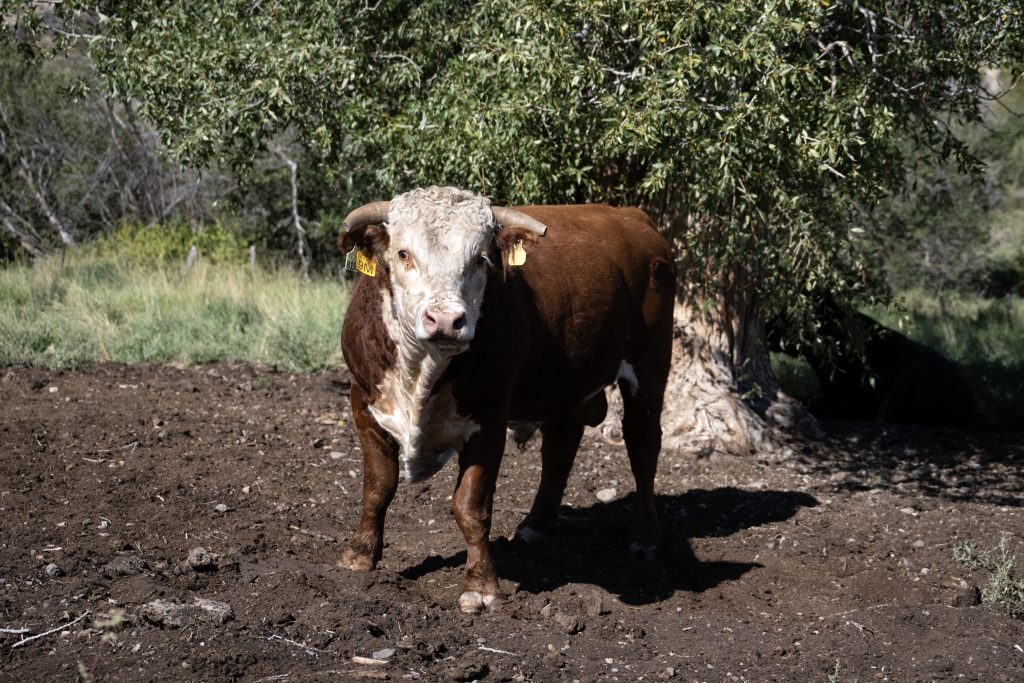
Colorado declared a statewide drought emergency in June after low snowpack, warm temperatures, and early spring snowmelt, according to the article. Many producers sold significant portions of their herds in response to the drought.
Ritschard said the drought forced him to sell roughly 80 of his 540 cattle — about 15%.
“[The drought] has changed how we historically or normally run our operations. We’ve had to utilize more ground that we would usually leave for other animals,” he said. “We just have to be adaptive and change and work with Mother Nature.”
However, the drought is just one of the challenges that Grand County ranchers have faced this year, Ritschard said. They are also juggling high fuel, labor and equipment costs.
But Ritschard said ranchers in Lamar, Sterling and Durango are all dealing with a variety of their own issues, making it difficult to address ranchers’ concerns with one single national policy.
“It’s not a one-size-fits-all kind of deal, and I get where the president is coming from on this. On trying to make [beef] affordable for people,” he said.
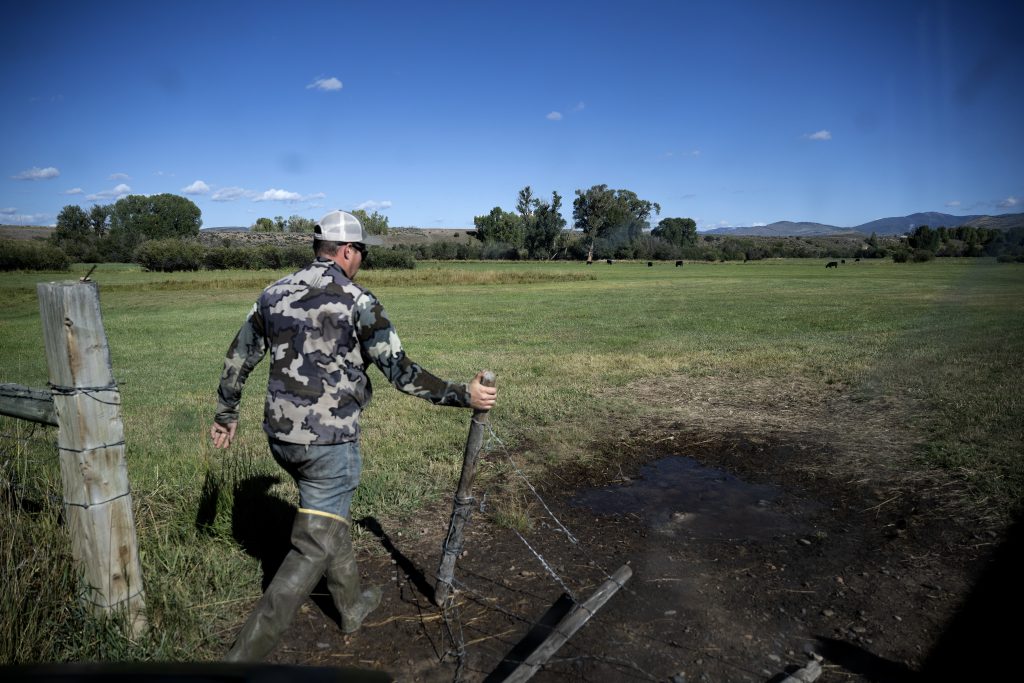
He added that lowering fuel costs or allowing ranchers to “be able to sit down and be a part of those conversations” could be critical steps toward finding solutions for ranchers.
According to Ritschard, adapting to market changes, national policy updates, and extreme weather conditions are all part of the job.
Ranchers have also had to adapt to Grand County’s growth over the past 20 years, he said. As Fraser, Granby and Winter Park have expanded, ranching in those areas has diminished significantly.
Sometimes, Ritschard visits the eastern end of Grand County with one of his workers. The worker points out developed areas that were once used for ranching.
“You lose quite a bit of ground, and you know that makes it hard,” he said. “We’re losing the farm and family and the ranch aspect.”


Support Local Journalism
Support Local Journalism
The Sky-Hi News strives to deliver powerful stories that spark emotion and focus on the place we live.
Over the past year, contributions from readers like you helped to fund some of our most important reporting, including coverage of the East Troublesome Fire.
If you value local journalism, consider making a contribution to our newsroom in support of the work we do.