Colorado legislature passes bills seeking to aid ranchers, coal industry workers
Both measures are high-priority bills for Western Slope lawmakers

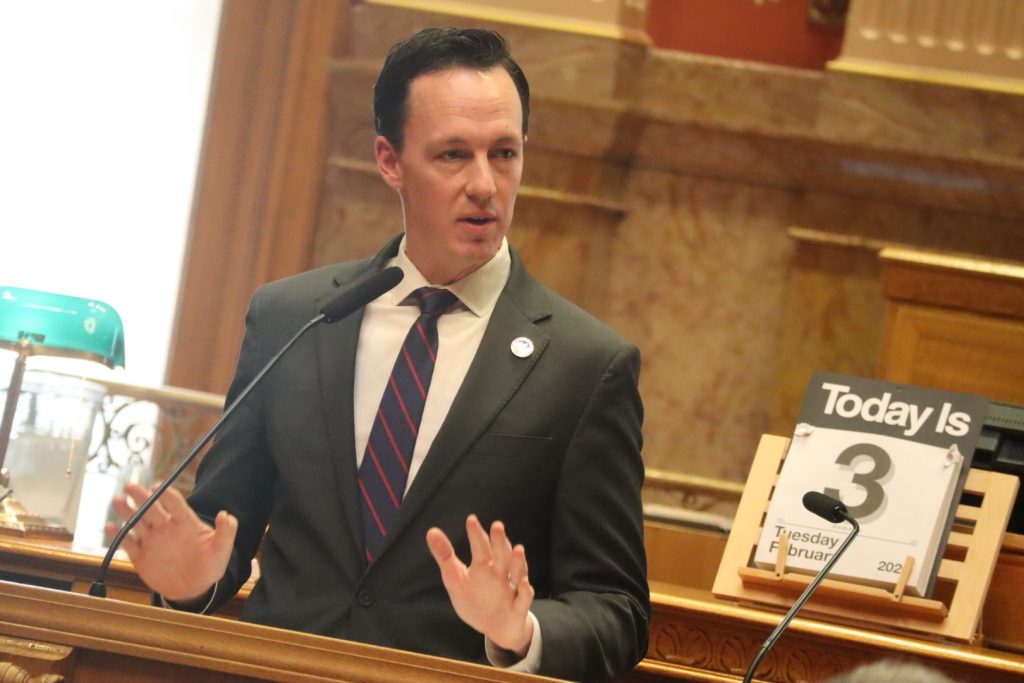
Robert Tann/Summit Daily News
Two high-priority bills for Western Slope lawmakers cleared the Colorado legislature and are on their way to the governor’s desk.
One of those measures, Senate Bill 26, would expand property tax relief for more ranchers and farmers. The bill allows producers who raise livestock such as pigs and chickens to apply for an agricultural property tax classification, which comes with a lower land valuation that in turn would lower their property taxes.
That classification is currently reserved for producers who grow hay and raise grazing animals, specifically cows.
The bill is sponsored by Sens. Dylan Roberts, D-Frisco, and Byron Pelton, R-Sterling, along with House Speaker Julie McCluskie, D-Dillon, and Rep. Karen McCormick, D-Longmont. It passed unanimously in both the Senate and the House this month and now heads to Gov. Jared Polis for his signature.
“This is about saving people money,” Roberts said during the bill’s first hearing in January before the Senate Agriculture & Natural Resources Committee. “This is about promoting and supporting the agriculture industry — promoting producers of several different types of livestock in our stake, which are often crucial to small town economies, as well as the larger Colorado agriculture industry.”
Roberts said he got the idea for the bill after being contacted over the years by producers in Grand County who raise pigs and chickens but don’t qualify for agricultural property tax relief.
Roberts introduced a bill last year that would have expanded property tax relief for producers but that ultimately failed to pass, largely out of concerns over how the tax cuts would impact state revenue. That’s because property tax revenue for schools shrinks, the state has to make up more of the difference.
This year’s bill is narrower in scope and isn’t projected to have a noticeable impact on state or local revenue, because property tax exemptions for agricultural properties are likely to be limited and infrequent, according to an analysis by the nonpartisan Legislative Council Staff.
The other measure recently passed by lawmakers is Senate Bill 52, which seeks to aid workers in communities that are transitioning away from coal.
The bill would create a hiring preference for workers in power plants, mines and other coal industry jobs who are seeking new employment in construction, rail, utilities, energy generation and advanced manufacturing, so long as they are qualified for the new job.
Employers in those industries would also need to annually report data to the state on their hiring practices, including the number of qualified workers who applied and how many were hired. The bill would also give local governments more ways to invest settlement dollars from coal plant owners, such as by putting that money into private investment funds, as a way to spur new economic activity.
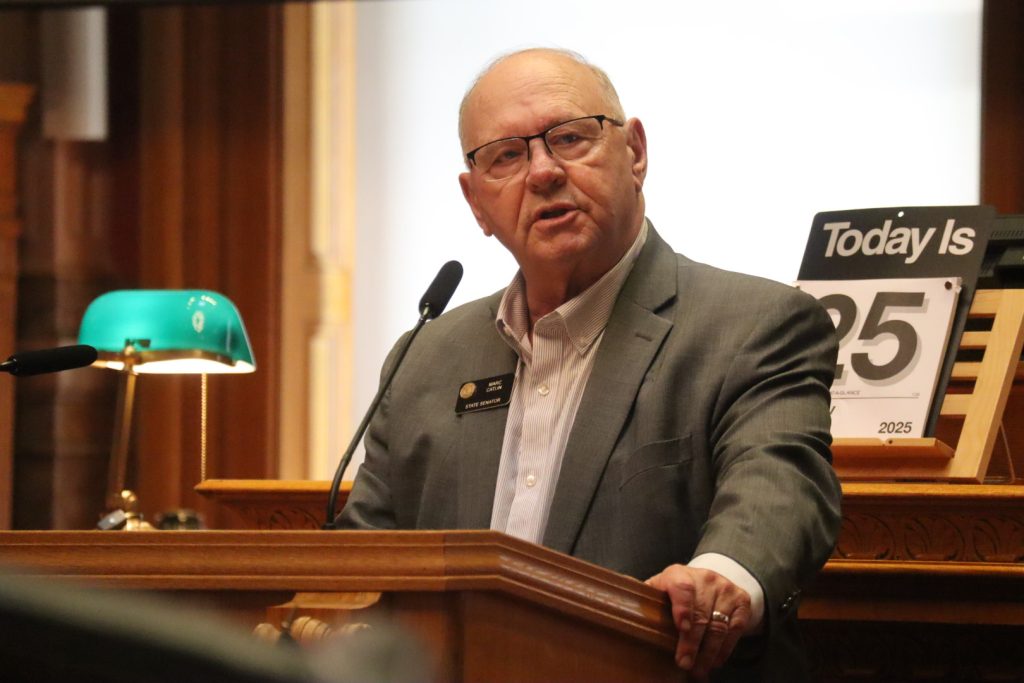
SB 52 is sponsored by Roberts, whose mountain districts include the coal plants and mines in Craig and Hayden that are slated to fully shutter within the next two years. It is also sponsored by Sen. Marc Catlin, R-Montrose, whose district includes the West Elk Mine in Paonia, the state’s largest and last operating underground coal mine.
In the House, the measure is sponsored by Reps. Meghan Lukens, D-Steamboat Springs, and Tisha Mauro, D-Pueblo, both of whom have coal plants in their districts.
Proponents said the bill is about keeping longtime workers in their communities.
“This is an opportunity for the state to recognize some of the problems that are out there on the Western Slope, particularly, about this transition from coal to other types of energies,” Catlin said during testimony on the bill before the Senate agriculture committee earlier this month. “It says that we’re thinking about them.”
SB 52 passed the Senate on Feb. 11 in a 29-3 vote. It cleared the House on Monday but faced more pushback from Republicans, who said it should not be the job of the government to tell private industries who to hire.
“To me, this looks like affirmative action,” Rep. Larry Don Suckla, a Republican whose southwestern district includes the mine near Paonia and the town of Nucla, where a coal-fired plant closed in 2019.
Don Suckla was one of 17 lawmakers, most of them Republican, who voted against SB 52. Several Republicans also chastised the state’s renewable energy policies as the reason for why a hiring preference for coal workers is needed.










Support Local Journalism
Support Local Journalism
The Sky-Hi News strives to deliver powerful stories that spark emotion and focus on the place we live.
Over the past year, contributions from readers like you helped to fund some of our most important reporting, including coverage of the East Troublesome Fire.
If you value local journalism, consider making a contribution to our newsroom in support of the work we do.