Can Colorado help save the National Center for Atmospheric Research from federal attempts to break it up?
Colorado Rep. Joe Neguse is calling for Coloradans to speak out against the National Science Foundation’s latest move to dismantle the national climate research center

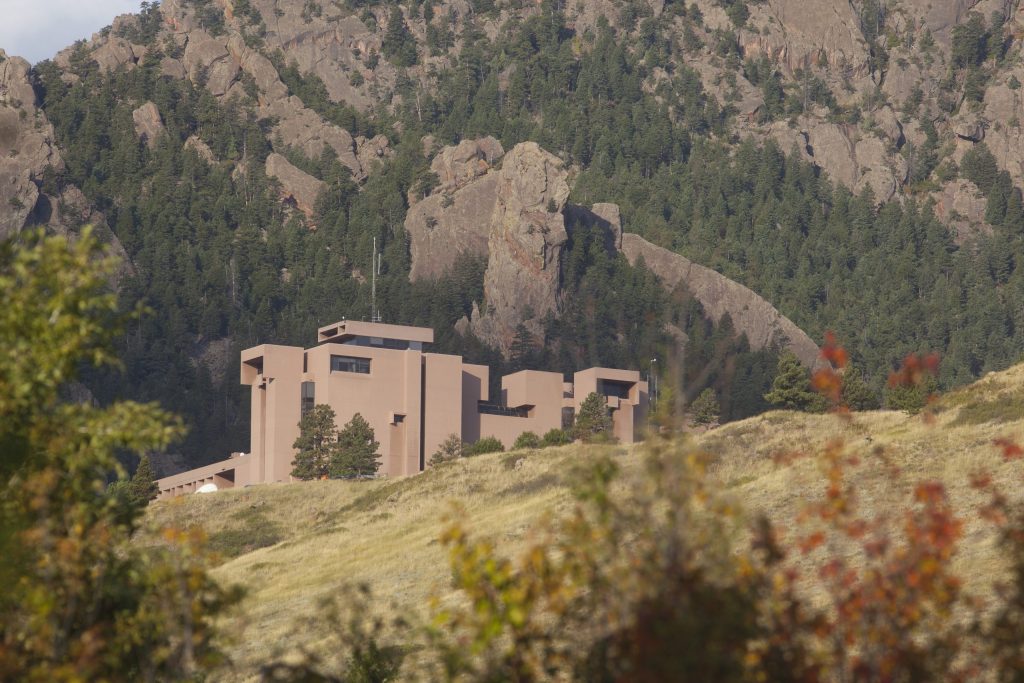
C. Collins/University Corporation for Atmospheric Research
The fight to preserve the National Center for Atmospheric Research is continuing as the Trump administration’s National Science Foundation advances plans that would unravel the nation’s research hub for climate, weather, natural disasters, and more.
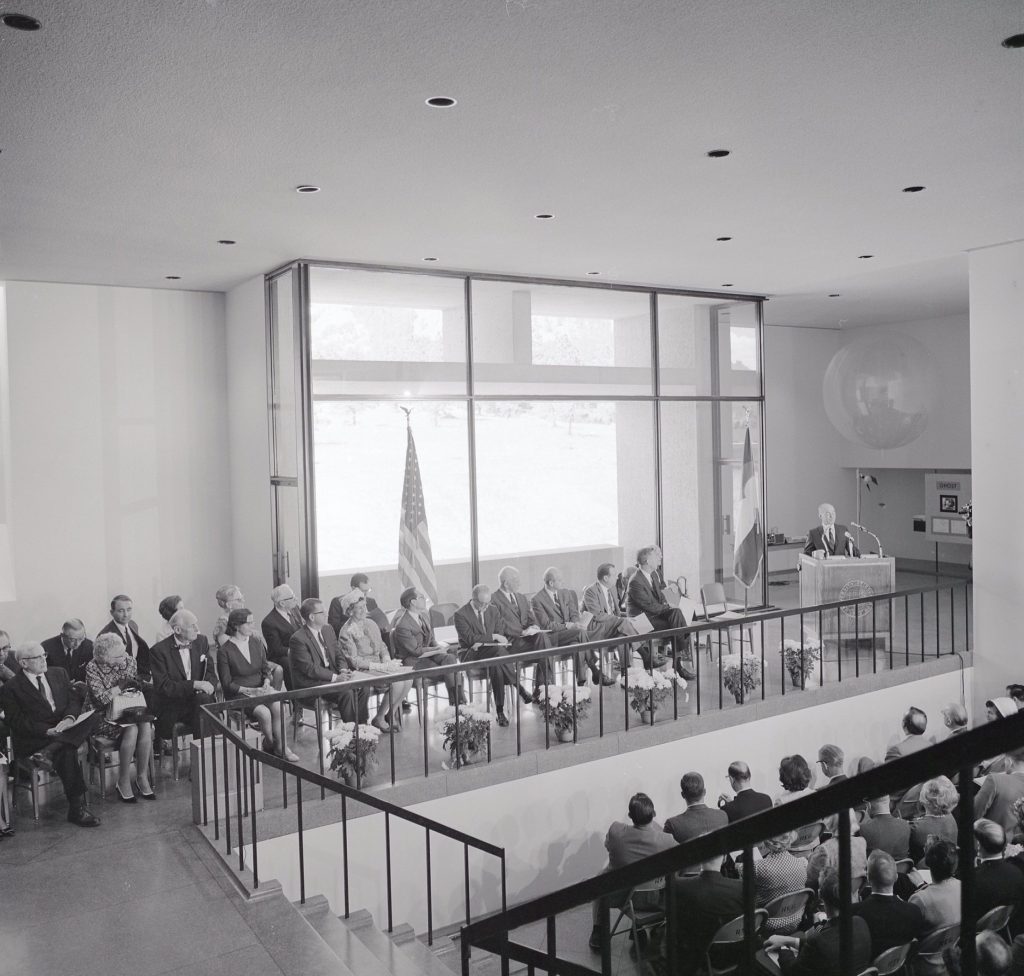
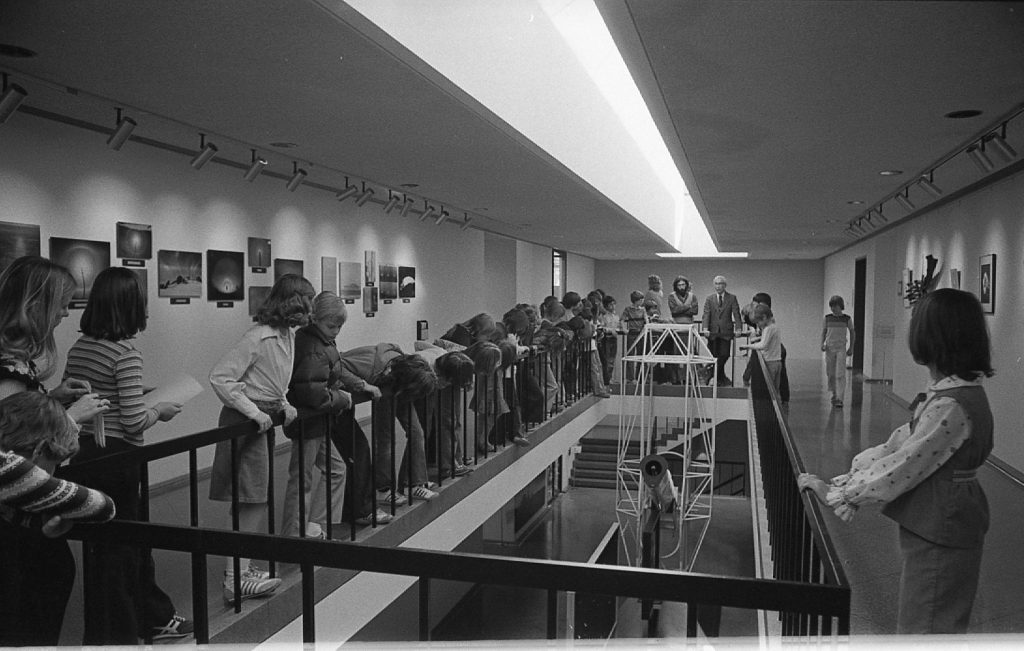
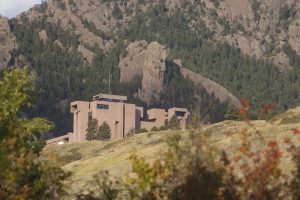
The Mesa Lab in Boulder has served as the headquarters for the National Center for Atmospheric Research since 1960. Research from the lab feeds into national weather forecasts and modeling, wildfire predictions and smoke modeling, federal climate assessments, water supply, drought planning, and more. It is managed by a nonprofit consortium of more than 130 colleges and universities on behalf of the National Science Foundation and employs around 800 people, from scientists and engineers to visiting researchers, postdoctoral fellows, pilots, and more.
Russ Vought, the White House budget director, posted on X in December that the Trump administration would be breaking up the Boulder facility, referring to it as “one of the largest sources of climate alarmism in the country.”
The next day, the National Science Foundation published its intent to restructure, divest, transfer, and redefine the scope of the climate research center. While no specific changes have been outlined, the federal government claims its plans would retain the center’s “vital” weather research — moving it away from the Boulder lab to other locations or entities — while eliminating some of the climate change-related work that White House officials have called “woke” or “wasteful,” according to AP News.
This announcement was met with immediate pushback and protests from scientists, lawmakers, and communities across Colorado who claim that dismantling the Mesa Lab would have widespread impacts on weather forecasting, agriculture, public health, aviation, and more.
Despite pushback from both Democratic and Republican lawmakers and scientists, the administration is forging ahead.
The National Science Foundation published a “Dear Colleagues” letter in late January, seeking ideas on how to restructure or transfer core functions of the agency, including weather modeling and forecasting, space weather activities, atmospheric modeling, and more. It also asks for concepts for the “private use” of the Mesa Lab building in Boulder, which was designed by modernist architect I.M. Pei and completed in 1966.
According to the letter, the National Science Foundation is looking for “transformative and creative concepts that enable efficient and cost-effective operations, management and continued evolution” of the research center’s infrastructure, work, and training.
Democratic Rep. Joe Neguse, who represents Boulder as well as several Western Slope counties, called the letter and intent to dismantle the center “outrageous.” Neguse called for the science community and Coloradans to make their voices heard during the letter’s public comment period ending on March 13.
Eric Maloney, head of Colorado State University’s Department of Atmospheric Science, called the proposal “incredibly short-sighted.”
“NCAR was developed to tackle problems for the benefit of society that are too big for institutions like individual universities to handle on their own,” Maloney said.
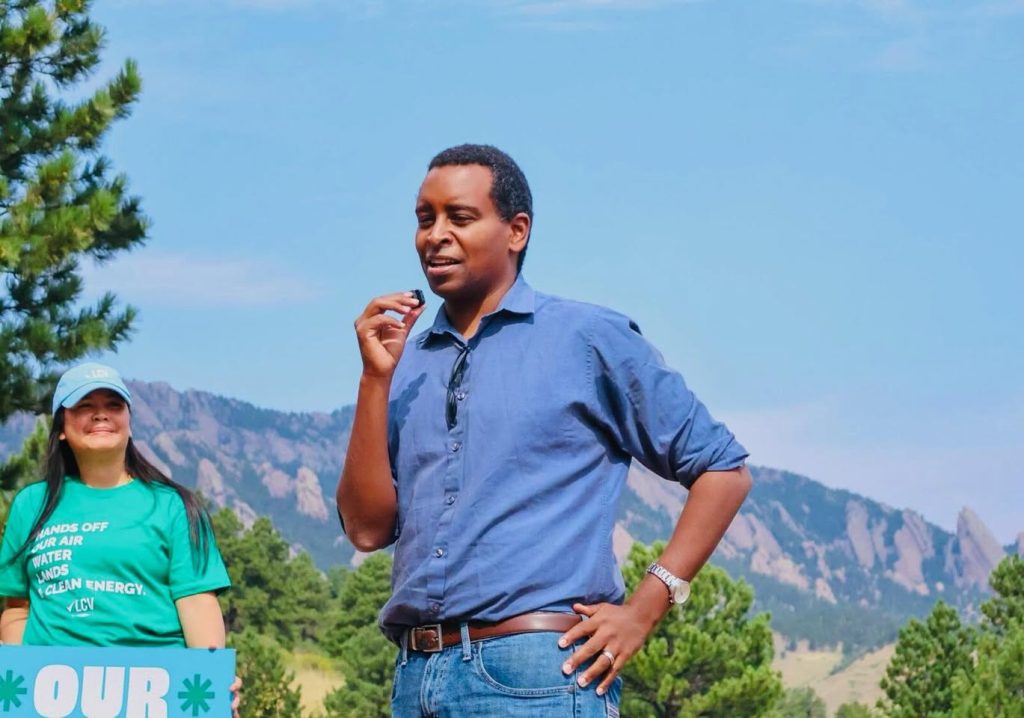
In an emailed statement on Feb. 10, Neguse called NCAR the “crown jewel” of Colorado’s system of research institutes and laboratories that “delivers tangible benefits to communities, including those on the Western Slope.”
“Whether it’s measuring and predicting snowfall in mountain towns or modeling the impacts of prolonged drought on the Colorado River, the work NCAR does is vital for families, ranchers, water managers, and the many others who utilize this critical information,” he said.
Maloney added that the science benefits research across aviation, wildfire, agriculture, public health, energy production, and more.
“This science will be at risk,” he said. “Progress on the prediction of weather extremes, droughts, floods, wildfire, air quality and aviation risks will be degraded without the centralized structure and capabilities provided by NCAR.”
However, it’s not only the center’s research that could be impacted by the federal proposal.
“This proposal also hurts the extremely talented scientists and staff at NCAR who are working on impactful science related to public safety, national security, and the economy,” he said. “Colorado cannot afford to lose these talented people.”
According to a press release, Neguse is working to mobilize a bipartisan coalition of lawmakers to submit a formal comment to the National Science Foundation, similar to an effort from Colorado lawmakers in December following Vought’s social media post.
Neguse joined Rep. Jeff Hurd, a Republican representing Colorado’s Western Slope, and Democratic Sens. Michael Bennet and John Hickenlooper in bringing together a group of around 80 lawmakers from both political parties and chambers to push back against the presidential administration’s intention to dismantle the National Center for Atmospheric Research.
The coalition supported efforts from Hickenlooper and Bennet, who introduced language in December into a federal appropriations bill that would have protected the research center. The amendment was ultimately voted down.
In December, Hurd said in a statement that “dismantling this institution doesn’t make sense,” adding that he would work with his colleagues to keep the center operating. He did not respond to requests for comment about the National Science Foundation’s January letter.
Is the restructuring part of federal retribution against Colorado?
Neguse said in an interview on KUNC’s “In the NoCo” podcast that the process from the National Science Foundation has been “corrupted from its inception.”
“In my view, it has nothing to do with science or the research that is performed by the incredible folks who are employed at NCAR Boulder,” he said. “It has everything to do with politics, and the Trump administration’s political retribution campaign against Colorado.”
This follows comments from other Democratic members of Colorado’s congressional delegations, who have suggested that the Trump administration is targeting the state because it refuses to release Tina Peters, a former Mesa County Clerk serving nine years in state prison for election interference.
The current administration has cancelled federal funding for energy projects, public health, and transportation in Colorado and other Democratic-led states, including California, Illinois, and Minnesota.
In December, Bennet said the denial of federal disaster relief for areas in northwest Colorado impacted by the Lee and Elk fires was another example of President Donald Trump using “Coloradans for political games.”
In January, the first veto of Trump’s second term shut down a bipartisan effort to bring clean water to northwestern Colorado. The bill was sponsored by Republican Rep. Lauren Boebert, who represents the eastern plains of Colorado and who has been a staunch supporter of Trump.
In December, Politico reported that a senior White House official — granted anonymity by the publication — responded to a question about the administration’s plans to break up the National Center of Atmospheric Research by saying, “Maybe if Colorado had a governor who actually wanted to work with President Trump, his constituents would be better served.”
The same official told Politico that the Boulder lab serves as “the premier research stronghold for left-wing climate lunacy” and that restructuring will “eliminate Green New Scam research activities,” calling on the term used by Republicans and Trump to describe former President Joe Biden’s climate and energy agenda.
In the KUNC interview, Neguse called the behavior “lawless” and said he will do “every single thing I can do to save NCAR.”
“At the end of the day, my view has been, use every tool, just as we did in the fight to save NOAA, just as we did in the fight to save off the sale of our public lands, so, too, must we do that here in this case,” he said.







Support Local Journalism
Support Local Journalism
The Sky-Hi News strives to deliver powerful stories that spark emotion and focus on the place we live.
Over the past year, contributions from readers like you helped to fund some of our most important reporting, including coverage of the East Troublesome Fire.
If you value local journalism, consider making a contribution to our newsroom in support of the work we do.