Coloradans now have fewer subsidies for solar and other clean energy appliances. But they can still be paid to go green.
Federal tax credits expired on Dec. 31, but a new rebate program, alongside existing state and local initiatives, still provides thousands of dollars in subsidies for solar, EVs and more

High Country Conservation Center/Courtesy photo
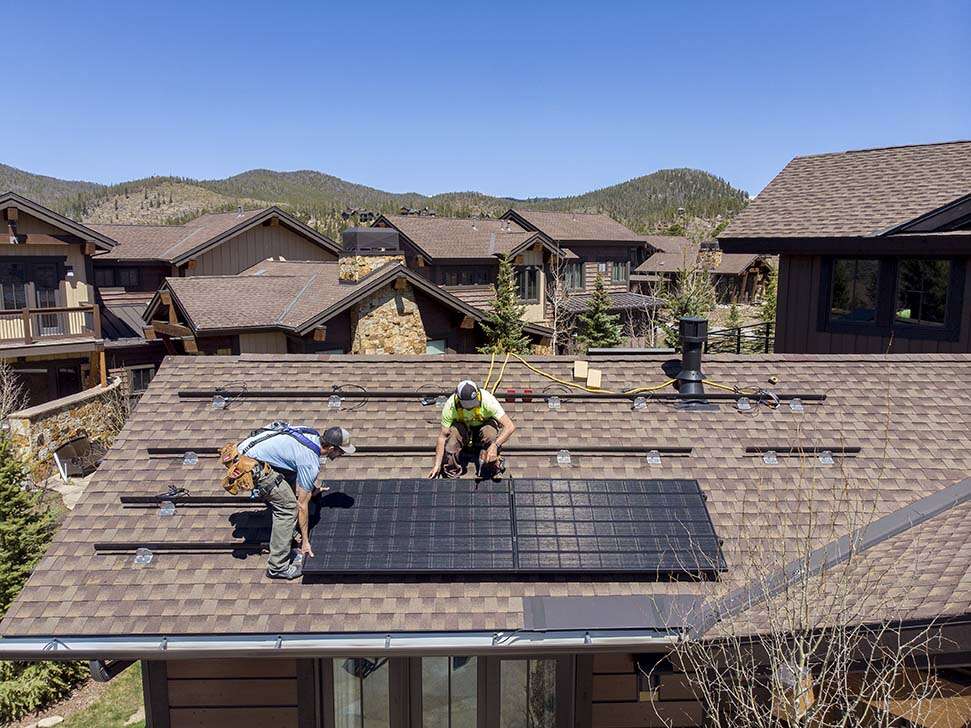
Coloradans begin 2026 with fewer options for how to pay for clean energy home upgrades after lucrative tax credits ended well before their initial expiration date.
The programs were part of a suite of clean energy initiatives enacted under the 2022 Inflation Reduction Act, a sprawling climate and health law passed by congressional Democrats and championed by former President Joe Biden.
Included in the Inflation Reduction Act was the Energy Efficient Home Improvement Credit, which provided up to $3,200 in tax credits for heat pumps, water heaters and biomass stoves and boilers, as well as home efficiency measures such as air sealing, insulation, new doors and windows. Another tax credit program, the Residential Clean Energy Credit, covered 30% of the cost of solar installation for a home.
The initiatives were meant to incentivize consumers to move away from fossil fuels and, when paired with the Inflation Reduction Act’s other climate measures, were projected to help cut U.S. carbon emissions by approximately 40% below 2005 levels by 2030.
Both tax credit programs expired on Dec. 31, however. The subsidies were supposed to last through 2032, but they were eliminated under the One Big Beautiful Bill Act passed earlier this year by congressional Republicans and signed into law by President Donald Trump.
That law also ended another tax credit program for new and used electric vehicles on Sept. 30.
But even without those incentives, Coloradans still have options for subsidies for a host of clean energy appliances.
$14,000 worth of rebates for home upgrades
In November, the state launched the Home Energy Rebate Program, which provides income-qualified Coloradans with up to $14,000 in discounts for electric energy appliances and home efficiency upgrades.
“Coloradans want access to clean energy technology to save money, and these rebates will help accomplish that,” Gov. Jared Polis said in a statement announcing the program. “These rebates can help more Coloradans make a variety of home upgrades that will bring down energy costs and provide more efficient home heating and cooling.”
The funding comes from federal money that was preserved in the Inflation Reduction Act, with Colorado receiving just over $140 million to launch its program. The rebates are expected to be available through 2029, or until funding runs out.
Under the program, Coloradans could be eligible for:
- Up to $8,000 for a cold climate heat pump for space heating or cooling
- Up to $4,000 for a breaker box upgrade
- Up to $2,500 for electric wiring
- Up to $1,750 for a heat pump water heater
- Up to $1,600 for insulation, air sealing and ventilation
- Up to $840 for an electric stove, cooktop, oven or heat pump clothes dryer
The rebates are income-based. Households making below 80% of their county’s area median income are eligible to receive the full amount, while those making between 80% and 150% could see up to half.
The subsidies are available for both homeowners who work with a state-registered contractor and renters who have permission from their property owner. More program information, including a list of eligible contractors, income limits, and how to apply, can be found at EnergyOffice.Colorado.gov/home-energy-rebates.
State officials have touted the subsidies as a way of not only lowering home energy costs but also reducing carbon emissions and improving indoor air quality. Colorado has a goal of reaching 100% net-zero greenhouse gas emissions, relative to 2005 levels, by 2050.
“Burning fossil fuels in buildings, such as for heating and water heating, is among the leading sources of greenhouse gas emissions in Colorado,” said Colorado Energy Office Executive Director Will Toor, in a statement.
“These incentives will make innovative and efficient technologies that improve home health and safety more affordable, and will save people money on their energy bills, while playing a key role in achieving our climate goals,” Toor said, adding that the new rebates are the “biggest home energy incentives the state has offered to date.
Coloradans also have the opportunity to pair those rebates with other existing clean home energy programs. More information on that can be found at PUC.Colorado.gov/energy-savings.
Western Slope-specific programs
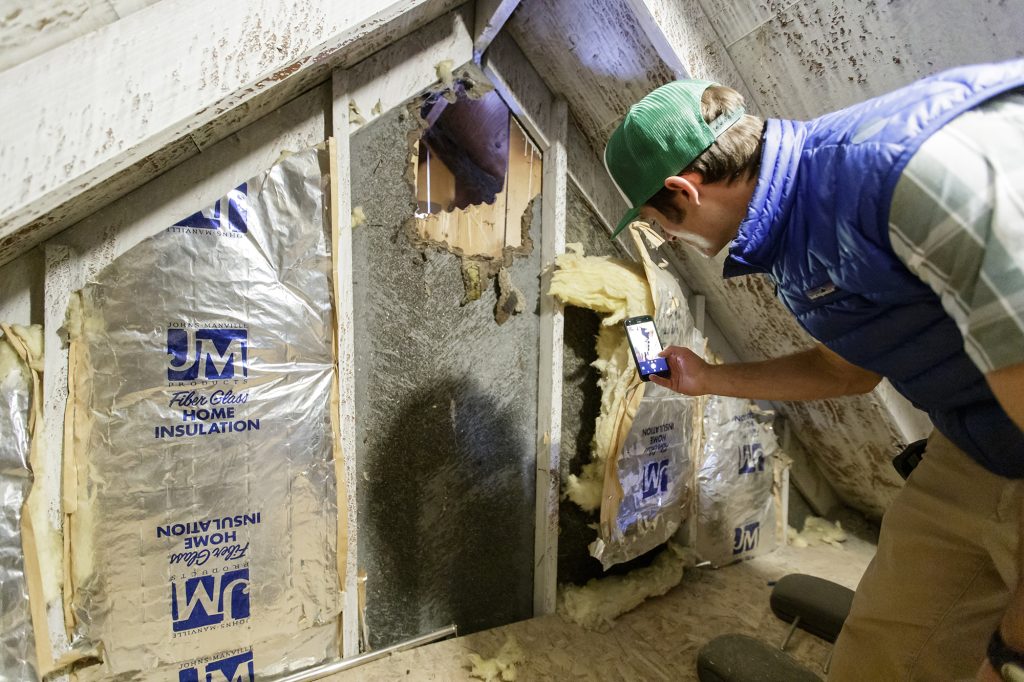
In Colorado’s mountain communities, where energy costs can be much higher, local and regional initiatives exist to help households pay for home upgrades.
The Carbondale-based nonprofit Energy Smart Colorado partners with local governments and groups to offer programs in more than a dozen western Colorado counties, including Summit, Grand, Eagle, Pitkin, Garfield and Routt.
Eligible households can receive a subsidized home energy assessment and rebates for solar installation and electrical appliances. Benefits differ by county, and more information can be found at EnergySmartColorado.org.
Nonprofit Sustainable Grand offers a specific program for Grand County locals called the Grand Energy Saver Program. Participants may receive $100 off a home energy assessment, as well as “quick fixes” installed during the assessment, so households can start saving energy & money immediately. Examples include free LED light bulbs, free weatherstripping installed on doors & windows.
A noteworthy benefit is that eligible households can receive up to $2000 towards energy saving improvements recommended in the assessment, including insulation, sealing up gaps and cracks and heat pumps.
To qualify you need to be a primary resident in Grand County and either work in a front line/community job (such as teacher, first responder, retail, restaurant,lodging staff, nonprofit, government employee), live in workforce or deed restricted homes or qualify by income level. The thresholds are relatively high as a family of 4 can earn up to $168K.
“We’re so pleased that through our partnership with Energy Smart Colorado, we can bring this funding to Grand County residents, so they can save energy and save significant amounts of money on their energy bills” said Helen Brown, executive director of Sustainable Grand.
Boosted EV rebates
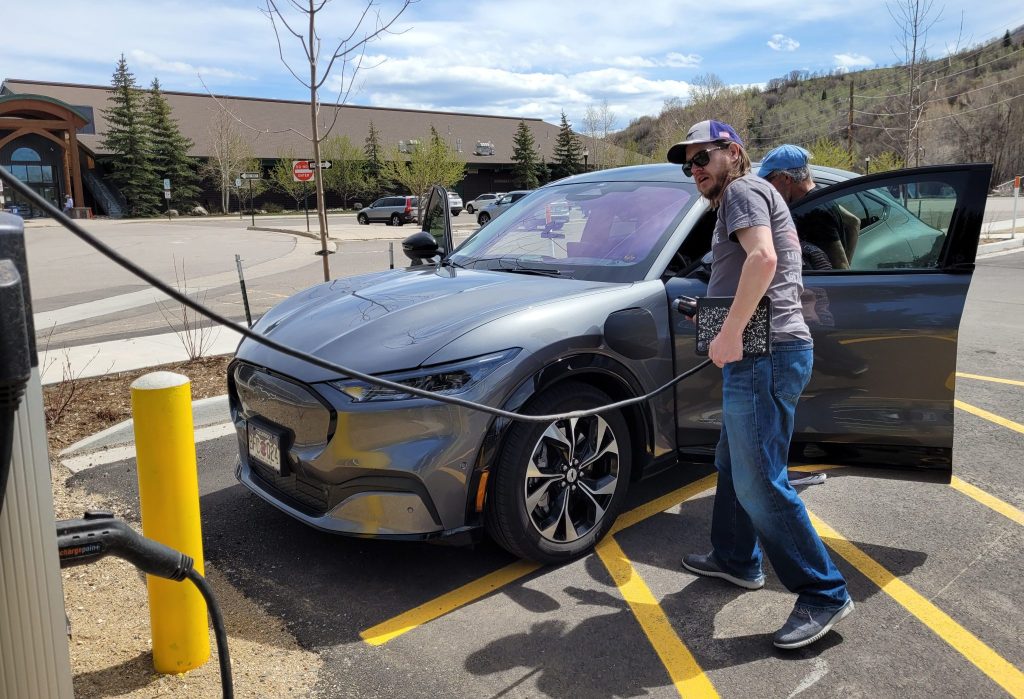
After Congress ended tax credits worth up to $7,500 for electric vehicles on Sept. 30, Colorado officials increased state-level EV rebates.
The state’s Vehicle Exchange Colorado Program provides rebates for Coloradans who replace their gas- or diesel-powered vehicles with cars that are all-electric or a plug-in hybrid.
As of Nov. 1, rebates for purchasing or leasing an electric vehicle have increased from $6,000 to $9,000 for new cars, and from $4,000 to $6,000 for used ones. More information can be found at EnergyOffice.colorado.gov/vehicle-exchange-colorado.
Colorado also has its own tax credit for electric vehicle purchases. That benefit, however, was reduced from $3,500 to $750 starting in 2026, due to ongoing budget shortfalls in the state’s general fund.
While the rebate program is somewhat insulated from budget pressures since its funding is derived from fees on package and food delivery services, the state’s electric vehicle tax credit is directly tied to available tax revenue.









Support Local Journalism
Support Local Journalism
The Sky-Hi News strives to deliver powerful stories that spark emotion and focus on the place we live.
Over the past year, contributions from readers like you helped to fund some of our most important reporting, including coverage of the East Troublesome Fire.
If you value local journalism, consider making a contribution to our newsroom in support of the work we do.