Pro-density housing bill clears Colorado House, moves to Senate
With the HOME Act, Democrats are again trying to exempt certain housing developments from zoning regulations in a bid to boost supply. Republicans and municipal groups say the measure tramples on local control.
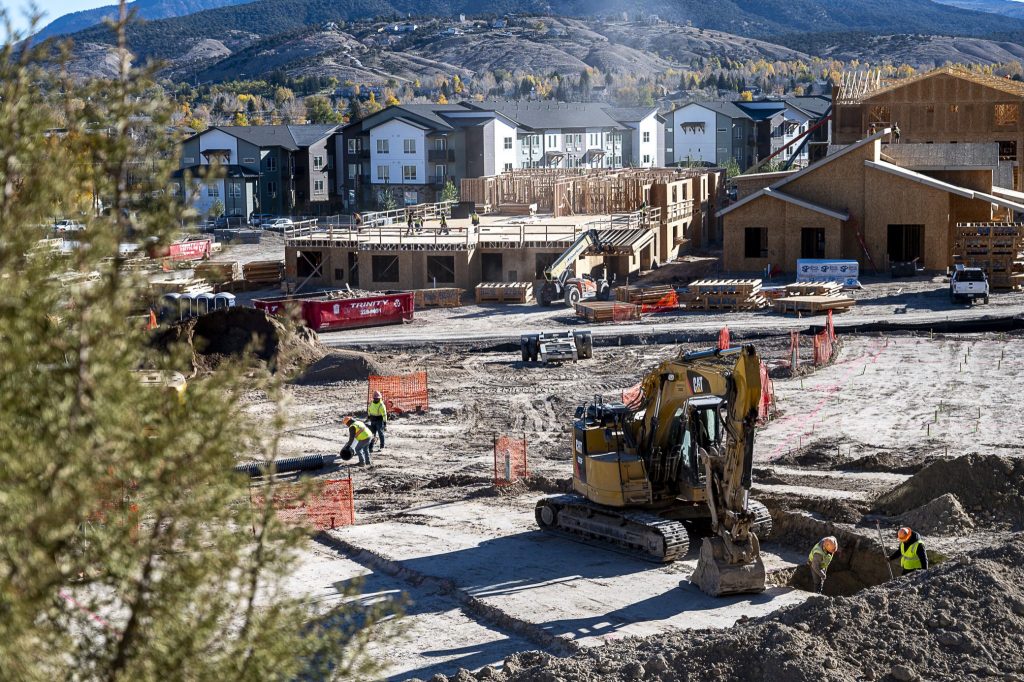
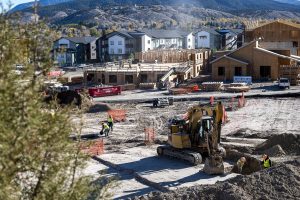
Ben Roof/Special to the Vail Daily
Colorado House Democrats gave final approval Friday to one of their first major housing bills of the 2026 legislative session.
House Bill 1001, which supporters are calling the Housing Opportunities Made Easier, or HOME Act, would allow public schools, colleges, nonprofits, transit agencies and other entities to bypass local zoning codes and build affordable housing on land that they own.
The bill passed on a largely party line vote of 35-24, with six lawmakers absent. It now heads to a Senate committee hearing.
Democrats say the legislation will reduce bureaucratic barriers and help unlock more land for housing development. Lawmakers often point to the state’s housing deficit — estimated to be around 106,000 units — as a key reason for high housing costs.
“No one housing bill will solve our state’s affordable housing crisis, but if we do not act, nothing will change,” Rep. Andrew Boesenecker, a Fort Collins Democrat and prime sponsor of the HOME Act, said Thursday during a procedural debate on the bill.
Democrats also said that entities like school districts have already shown a commitment to delivering affordable housing for their communities.
Districts in Eagle, Aspen and the Roaring Fork Valley have already built and acquired hundreds of housing units for teachers and staff over the years. Meanwhile districts in Steamboat Springs, Summit County and elsewhere are eyeing future housing plans.
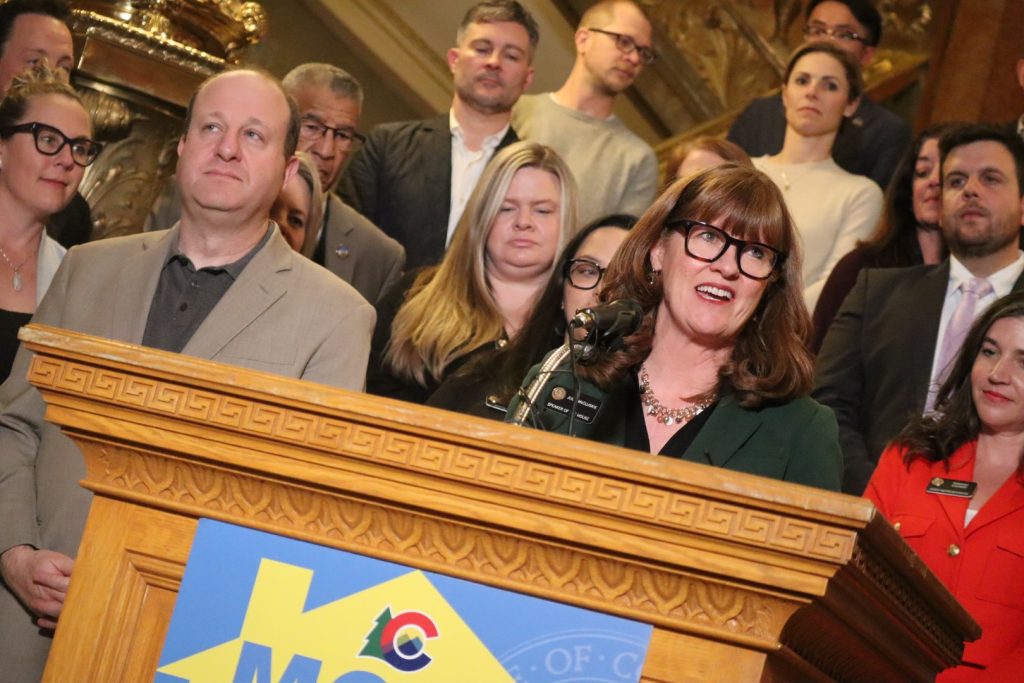
Republicans, who were uniformly opposed to the bill, argued it would usurp local government control, overrun communities with high-density housing and lower property values for homeowners. They also criticized the bill for not including any requirements to ensure the housing that gets built is truly “affordable.”
State Rep. Larry Don Suckla, a Republican who represents some of Colorado’s southwestern communities, said that the bill also fails to take into account rural areas’ needs.
“The bill takes the people who actually live there, our families and our neighbors, and shuts them out of decisions that could put their homes, their kids and their communities at risk,” Suckla said during Thursday’s debate. “It wipes out rural public hearings — the voice of the people — and local review and it hands it over to the Denver bureaucrats who’ve never dealt with our wildfires, our dirt roads, our water shortages or our volunteer fire departments.”
Want the news to come to you? Get the latest local stories sent straight to your inbox.
Sign up at SkyHiNews.com/newsletter
With the HOME Act, Democrats are continuing to wade into the long-fought battle over state versus local control.
Fueled by Gov. Jared Polis’ agenda to increase housing supply across the state, lawmakers have in recent years passed bills to override local regulations when it comes to density, parking, accessory dwelling units and occupancy limits — measures that are largely focused on populous metro areas.
A consortium of Front Range cities last May sued Polis and the state over two laws passed in 2024 — one eliminating minimum parking requirements for certain multifamily developments, and another forcing cities to increase housing density near transit centers — which they claim violate local “home rule” powers.
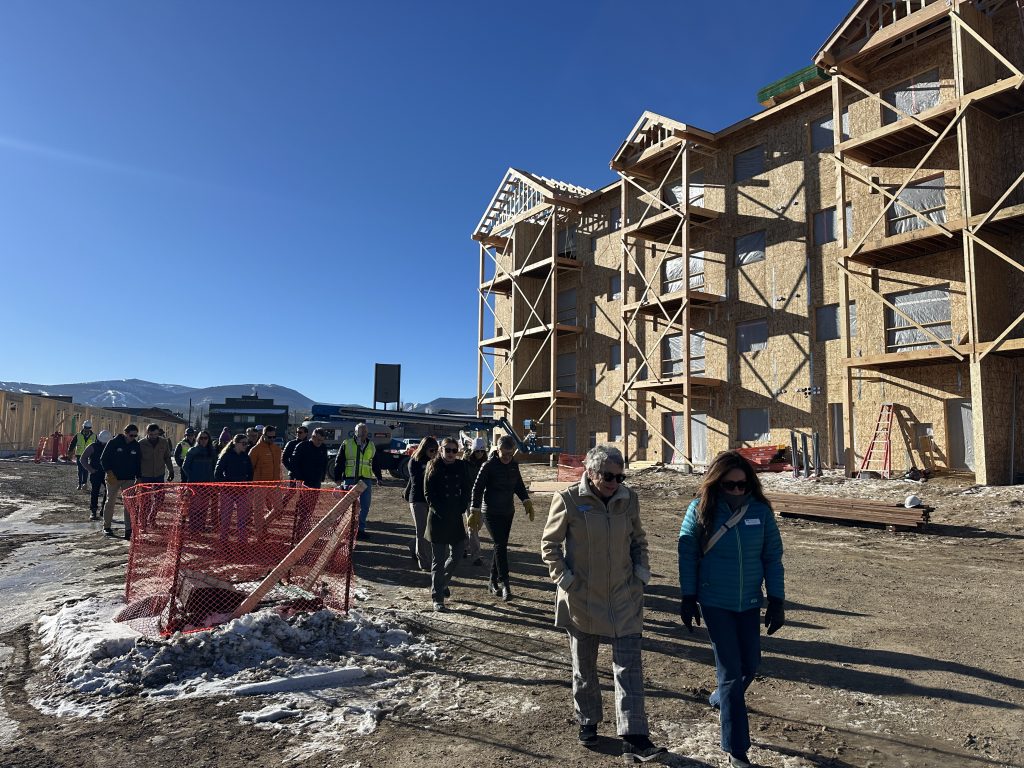
Many local governments also oppose the HOME Act, which they say would take away thoughtful decision-making when it comes to how housing developments shape communities. While elected leaders, like town council members and county commissioners, have the ultimate power over land-use regulations and proposed housing projects, residents get their say by serving on planning boards and speaking at public hearings on proposals.
Beverly Stables, legislative advocacy manager for the Colorado Municipal League, which represents more than 270 of the state’s cities and towns, said in a statement last month that local governments “are not obstacles to housing progress — they already are partners with housing authorities, schools and non-profits.”
“By eroding local control and bypassing established planning processes, (the HOME Act) risks creating unintended consequences that ultimately make housing challenges more difficult,” Stables said.
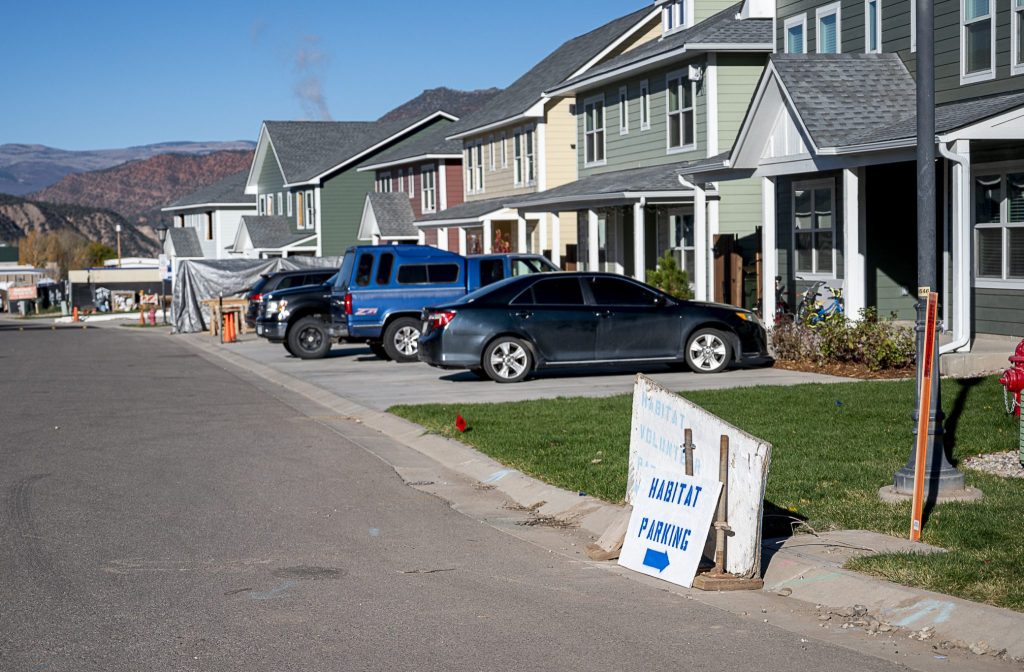
The HOME Act is modeled after similar legislation proposed by Democrats last year that would have allowed churches to build housing on their land. The measure was a high-priority bill for Polis, but despite passing the House, it failed to advance out of the Senate.
This year’s measure, which Polis is also backing, appears to have more support from Democrats, including some of those who were skeptical of last year’s bill.
Democrats are also sponsoring other measures this session aimed at boosting the state’s housing supply.
That includes House Bill 1065, which would create a new tax incentive mechanism for building housing near transit routes, like bus stops and rail stations. Another measure, House Bill 1066, would grant property tax exemptions for land used to build for-sale affordable homes.










Support Local Journalism
Support Local Journalism
The Sky-Hi News strives to deliver powerful stories that spark emotion and focus on the place we live.
Over the past year, contributions from readers like you helped to fund some of our most important reporting, including coverage of the East Troublesome Fire.
If you value local journalism, consider making a contribution to our newsroom in support of the work we do.