Q&A: Meet Stephen Hamilton, an American Constitution Party candidate running for Colorado governor
Where the candidate stands on Western Slope issues like housing, water, wolves and more

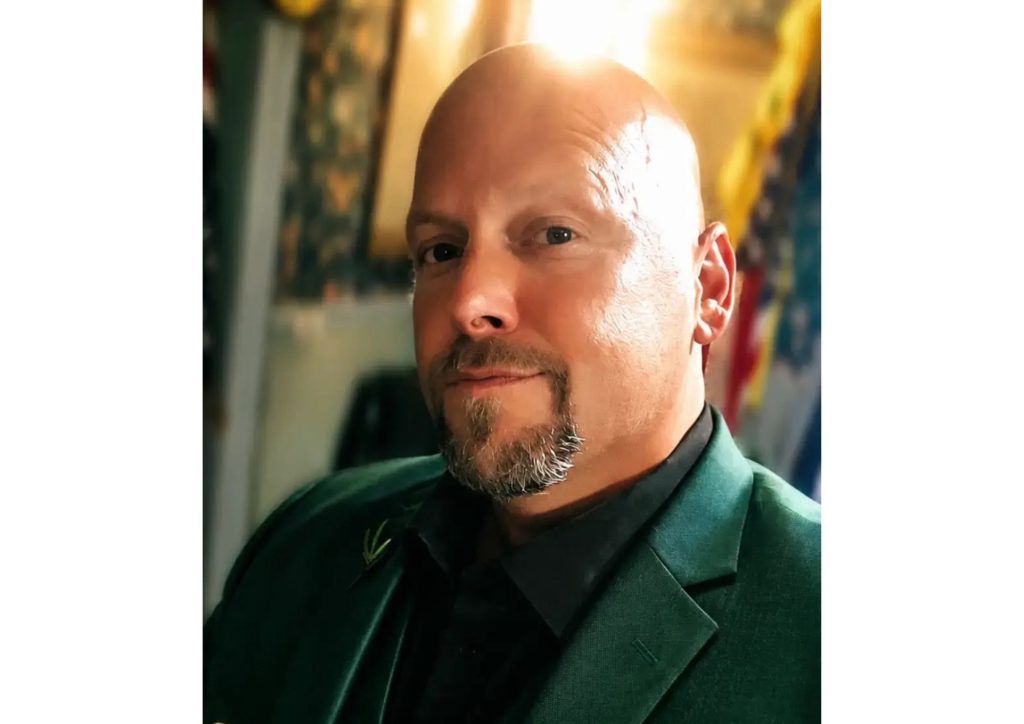
Stephen T. Hamilton/Courtesy Photo
Stephen T. Hamilton is an American Constitution Party candidate running for Colorado governor in the Nov. 3 midterm election. The Summit Daily asked each candidate five questions about some of the key issues facing the Western Slope.
Question 1: Colorado’s High Country has a severe housing crisis that is pushing out working locals, yet much of the housing legislation that has been passed in recent years has been focused on Front Range communities. As governor, what efforts would you take to bring down costs and increase access to housing in the High Country?
Hamilton: Colorado’s housing crisis is statewide, but High Country solutions look different than Front Range solutions.
As governor, I would push for High Country-specific tools: expand state incentives for deed-restricted, workforce housing built by local housing authorities and employers, accelerate modular and manufactured housing approvals, and unlock underused state and federal land near existing infrastructure. I would reform construction defect and insurance barriers that kill condo projects, streamline state permits for small-scale infill and protect local dollars from being swept to Front Range formulas. Housing for teachers, nurses and first responders isn’t a Denver issue — it’s how mountain towns survive.
Question 2: Rural resort areas navigate a delicate balance between the tourism industry and the need for long-term housing for locals. Do you support legislation to tax and/or limit vacant homes and short-term rentals? Please provide a “yes” or “no” answer to this question before expanding on your reasoning.
Hamilton: Yes.
Resort communities should have the authority to manage their own housing balance. I support giving towns and counties clear legal authority to license, cap and tax short-term rentals and to levy a meaningful fee on homes vacant more than six months a year, with revenue directly dedicated to local workforce housing. I do not support a one-size-fits-all statewide ban. Tourism drives our mountain economy, and many families rely on rental income. The right approach is local flexibility — let each community set limits that protect neighborhoods and long-term rentals while keeping tourism viable.
Question 3: The fight over the future of the Colorado River is likely to spill into the next governor’s administration. What do you believe is the best path forward for Colorado’s water security, and how will you work to protect residents’ critical water rights?
Hamilton: Water security is the foundation of Colorado’s future. My path is to defend Colorado’s senior water rights and compact entitlements, invest in conservation, storage and reuse without new transmountain diversions that harm the West Slope, and lead rather than litigate with other Basin states.
I will fully fund the Colorado Water Plan, support agricultural water protection through voluntary, compensated conservation, and prioritize watershed health and forest management to protect flows. We need more measurement, less speculation. I will work directly with water districts, tribes, farmers, and Front Range and Western Slope leaders to secure a deal that keeps water on our farms and in our towns.
Question 4: Wolf reintroduction remains a contentious issue in Colorado with lawmakers bringing concerns about program cost, transparency, management and impacts on the Western Slope. What actions, if any, would you support to alter the wolf reintroduction program and why?
Hamilton: I respect the vote, but implementation has eroded trust on the Western Slope. I would not repeal the program; I would reform it: require full transparency on costs, locations and sourcing of wolves; put lethal management and chronic depredation standards into clear rules; ensure full and rapid compensation for livestock losses, including indirect losses; and give Colorado Parks and Wildlife more professional discretion on timing and placement of releases. We must also increase support for nonlethal deterrents and range riders. Ranchers should not bear the cost of a statewide policy. Fix management before expanding numbers.
Question 5: Colorado continues to face a structural deficit in its state budget, and this year the legislature was forced to cut spending on Medicaid, affordable housing and other key programs. As governor, how would you put the state on a more sustainable spending path while protecting programs and services that Coloradans rely on?
Hamilton: We can’t cut or tax our way out — we need structural reform. As governor, I will order a top-to-bottom performance audit, enforce PAYGO — any new program must identify its funding — and modernize Medicaid delivery to cut waste, not eligibility. We must revisit outdated tax expenditures and close loopholes while protecting TABOR’s intent. I will fight to end the cycle of one-time money for ongoing programs and build a real rainy-day fund. That means hard choices: slowing growth in some areas, prioritizing core services — K-12, public safety, housing and water — and working with both parties on a long-term fiscal fix voters can understand.
Ballots for the Nov. 3 Colorado midterm were mailed to voters starting Friday, Oct. 2. To check your voter registration status, visit GoVoteColorado.gov.









Support Local Journalism
Support Local Journalism
The Sky-Hi News strives to deliver powerful stories that spark emotion and focus on the place we live.
Over the past year, contributions from readers like you helped to fund some of our most important reporting, including coverage of the East Troublesome Fire.
If you value local journalism, consider making a contribution to our newsroom in support of the work we do.