Q&A: Meet Jeff Peckman, a Unity Party candidate running for Colorado governor
Where the candidate stands on Western Slope issues like housing, water, wolves and more

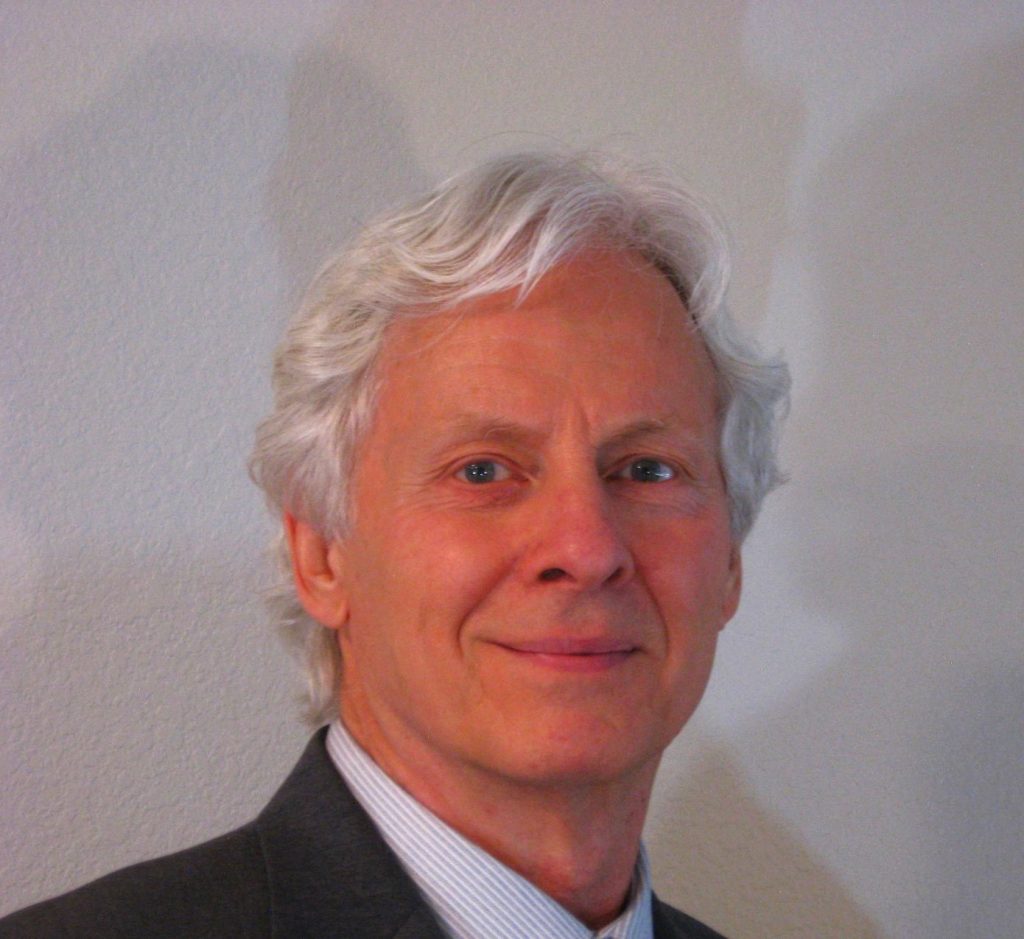
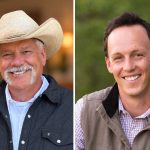
Jeff Peckman/Courtesy Photo
Jeff Peckman is a Unity Party candidate running for Colorado governor in the Nov. 3 midterm election. The Summit Daily asked each candidate five questions about some of the key issues facing the Western Slope.
Question 1: Colorado’s High Country has a severe housing crisis that is pushing out working locals, yet much of the housing legislation that has been passed in recent years has been focused on Front Range communities. As governor, what efforts would you take to bring down costs and increase access to housing in the High Country?
Peckman: I would support adding more modular housing, zoning changes, creative financing and taxation to increase inventory and affordability. However, does anyone sell a home to the lowest bidder to support affordable housing? I believe that raising income for lower-wage workers is essential. For example, California-based Resolutx.com claims it can convert biomass from forests into graphene, biochar and renewable fuels.
Just do an Internet search. Ask, “does graphene improve BLANK”, and fill in the blank with any of the following: outdoor recreational equipment, outdoor clothing, solar panels, batteries, wind turbines, concrete, asphalt, steel, roads, bridges, roofing materials, buildings, vehicles, fire resistance, tires and more. Also ask, “Is high-grade graphene worth more than gold?” You might be surprised! The Resolutx technology could create new revenue for mountain communities to boost housing affordability. At the same time, it could create more financial incentive for wildfire prevention.
Question 2: Rural resort areas navigate a delicate balance between the tourism industry and the need for long-term housing for locals. Do you support legislation to tax and/or limit vacant homes and short-term rentals? Please provide a “yes” or “no” answer to this question before expanding on your reasoning.
Peckman: Yes. However, “taxes” and “limits” are strategies that should be in separate legislative bills and ballot initiatives. To me, they’re still Band-Aid approaches that bump against property rights and tax laws. Better solutions are needed, especially for seasonal workers. I’m currently mentoring five senior-year engineering students on a capstone project. It’s to create a new type of emergency shelter that has innovative features for temporary living. This could increase housing options and decrease competition for permanent structures during peak tourism.
Another idea is to assess reasonable fees or fines for vacant homes that have not maintained optimal fire-prevention conditions. The funds could be used to remove biomass waste, which can then be converted to different grades of graphene. Profits from that could be reserved for affordable housing. Here’s another Internet question: “How much does graphene sell for to use in concrete or asphalt?” It needs a business plan.
Question 3: The fight over the future of the Colorado River is likely to spill into the next governor’s administration. What do you believe is the best path forward for Colorado’s water security, and how will you work to protect residents’ critical water rights?
Peckman: Extensive research has confirmed the relationship between air pollution, greenhouse gases, climate change, droughts, floods and wildfires. Graphene has shown great promise for better water purification, including for toxic chemicals and radioactivity.
A Colorado-based aftermarket device for internal combustion engines has been validated by California Environmental Engineering as achieving large reductions in exhaust emissions. The test data are proprietary. However, the inventor, Garrett Hill of Rimere.com, has allowed to share one result. He stated that particulate matter, PM2.5, was reduced by 66% in a 2014 Dodge Ram truck test vehicle with a 6.7 Liter Cummins engine. Other results and calculations on potential cost savings for Colorado from the device can be viewed at on my website at JeffPeckman.com/solutions-blueprint. [See: “SPECIFICS – Clean Air without More EVs”].
The Intake Plasma Generator is patented in the U.S. and Japan, and is patent pending in Europe and China. These technologies might change the conversation about water rights and security.
Question 4: Wolf reintroduction remains a contentious issue in Colorado with lawmakers bringing concerns about program cost, transparency, management and impacts on the Western Slope. What actions, if any, would you support to alter the wolf reintroduction program and why?
Peckman: I wouldn’t immediately alter the existing program or argue about its merits and legality. A more urgent need relates to conservation and eco-restoration. Climate change and air pollution are wreaking havoc on Colorado.
A CoPilot Search stated that: “The Colorado Climate Damages & Adaptation Costs Report [2026] estimates that between 2025 and 2050, climate change — including air pollution impacts such as wildfire smoke and atmospheric deposition — could add 33–37 billion in costs and resilience needs across Colorado’s health, infrastructure, wildfire, flooding, and recreation sectors.”
During my first year as governor, I would aggressively employ the most affordable and effective solutions to radically reduce air pollution and ramp up forest maintenance (see answers 3 and 5). That might change the conversation about wolf introduction. It might also provide new paths forward to balance all stakeholder interests. So, I’d revisit that question in my second year.
Question 5: Colorado continues to face a structural deficit in its state budget, and this year the legislature was forced to cut spending on Medicaid, affordable housing and other key programs. As governor, how would you put the state on a more sustainable spending path while protecting programs and services that Coloradans rely on?
Peckman: A. Gemini AI ranked my overall solutions higher in affordability and effectiveness than solutions of Michael Bennet and Phil Weiser. It added that my solutions “bypass traditional, capital-heavy bureaucratic pipelines in favor of high-yield technologies…”, and “Because these require minimal taxpayer funding but yield exponential returns, they maximize the affordability-to-effectiveness ratio.”
B. I would declare a state of emergency on air pollution. Do an internet search on the costs and impacts of air pollution on: mental and physical health, immunity to infectious diseases, substance abuse, violent and aggressive behavior, memory, learning ability, educational outcomes, executive decision-making and problem-solving, worker productivity, job absenteeism, racism, forests, water resources, wildfires, agriculture, roads, bridges, buildings, infrastructure, recreation and tourism.
C. If the Input Plasma Generator can achieve anything close to a 66% reduction of PM2.5, that could produce huge cost savings across multiple sectors of government and the business sector.
Ballots for the Nov. 3 Colorado midterm were mailed to voters starting Friday, Oct. 2. To check your voter registration status, visit GoVoteColorado.gov.




Support Local Journalism
Support Local Journalism
The Sky-Hi News strives to deliver powerful stories that spark emotion and focus on the place we live.
Over the past year, contributions from readers like you helped to fund some of our most important reporting, including coverage of the East Troublesome Fire.
If you value local journalism, consider making a contribution to our newsroom in support of the work we do.