September is Suicide Prevention Month: How Grand County residents can seek help
Local nonprofits and therapists step up to help community

Meg Soyars Van Hauen Follow
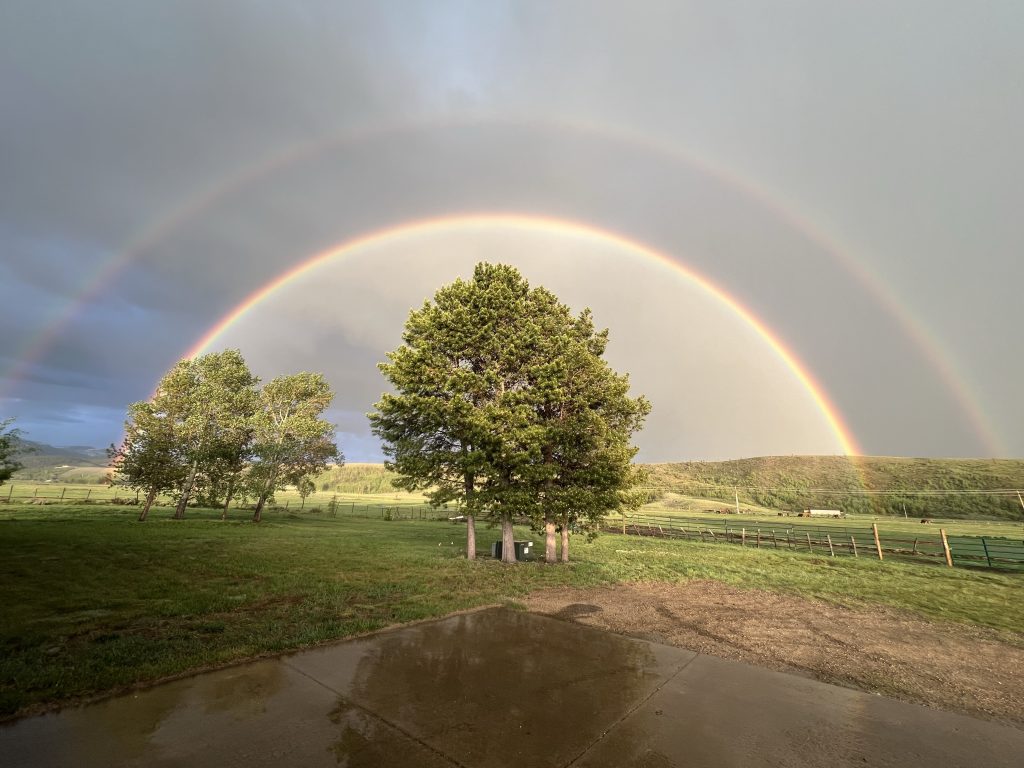
Kaitlin Miller/Courtesy photo
Sept. 10 is Worldwide Suicide Prevention Day, where community members come together to encourage resiliency and show others there are alternatives to suicide. The entire month of September is observed as Suicide Prevention Month. During this time, Grand County residents can come together to strengthen their mental health, lift each other up or remember those who they may have lost to suicide.
Jenn Fanning, the former executive director of Grand County Rural Health Network, explained that local organizations are stepping up to fill the gap in mental health care that rural areas have traditionally faced. These organizations are critical for residents, whether they are in crisis or simply need to speak with someone.
“Every person has mental health. Which means at some point, every person struggles,” Fanning said. “There are a lot of smart people and people with lived experience putting their time, talent and energy to improving behavioral health in our community.”
A growing number of community members are seeking mental health care
Those who are seeking therapy have a number of resources here. The Grand Foundation’s H.O.P.E. Fund, Mind Springs Health, Tame Wellness, local therapists and others are available to help.
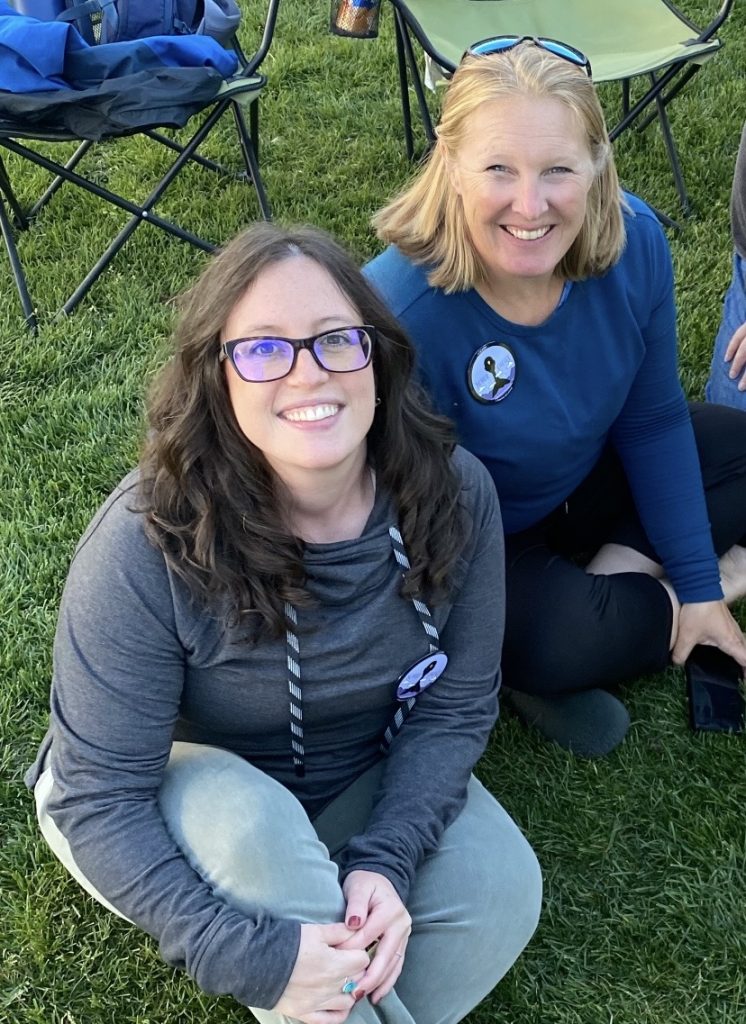
Ability to pay for these services doesn’t have to be barrier. Rural Health Network offers vouchers through their ACHES & PAINS program to help residents fund the cost of mental health services. Learn more about the program by visiting GCRuralHealth.org. According to Rural Health, requests for these vouchers are expected to increase by 80% for 2024, compared to 2023.
Jenn Fanning said that “The people who work and live here and support the community are really, really struggling.”
She believes this is part of the reason why the need for ACHES & PAINS mental health vouchers is rising. But there’s also a paradoxically positive reason for this increase — people feel more comfortable seeking help for mental challenges.
“I think we collectively as a community, as a state and as a nation have done a really good job at reducing the stigma for accessing mental health care,” she explained. “As a county, we’ve been working on that very intentionally for over 10 years.”
Suicides are higher in rural communities like Grand County, according to the Suicide Prevention Resource Center. Rural communities can have isolating factors, such as lack of access to medical services.
According to the Colorado Department of Public Health & Environment, 23 people have died by suicide in Grand County from 2018-2023.
But on the flip side of the rural living, there is also a close-knit sense of community, which Grand County exemplifies.
Fanning said that it’s difficult for people to talk about mental health with others, “but it helps people realize you’re truly not alone. So many people are experiencing similar things to what you are.”
For a comprehensive list of resources, visit the website BuildingHopeGrand.org. You can contact Colorado Crisis Services to speak with someone by calling 1-844-493-TALK or text “TALK” to 38255. If you are having suicidal thoughts, please call or text 988 for immediate 24/7 support.


Support Local Journalism
Support Local Journalism
The Sky-Hi News strives to deliver powerful stories that spark emotion and focus on the place we live.
Over the past year, contributions from readers like you helped to fund some of our most important reporting, including coverage of the East Troublesome Fire.
If you value local journalism, consider making a contribution to our newsroom in support of the work we do.