Winter Park Resort talks mountain safety philosophy as season closes out

Izzy Wagner Follow
Sean McAlindin/Sky-Hi News
A March 1 collision at Winter Park Resort involving an 8-year-old skier and an adult snowboarder is the kind of incident that can unfold on busy days: sudden and often hard to prevent.
In this case, the snowboarder left the scene after a brief exchange, while a bystander stepped in to help the injured child reach ski patrol for medical care. According to the Colorado Ski Safety Act, the snowboarder should have remained at the scene until authorities arrived. The youth suffered a concussion and facial injuries, illustrating how quickly a casual run can turn into an emergency and potential criminal liability.
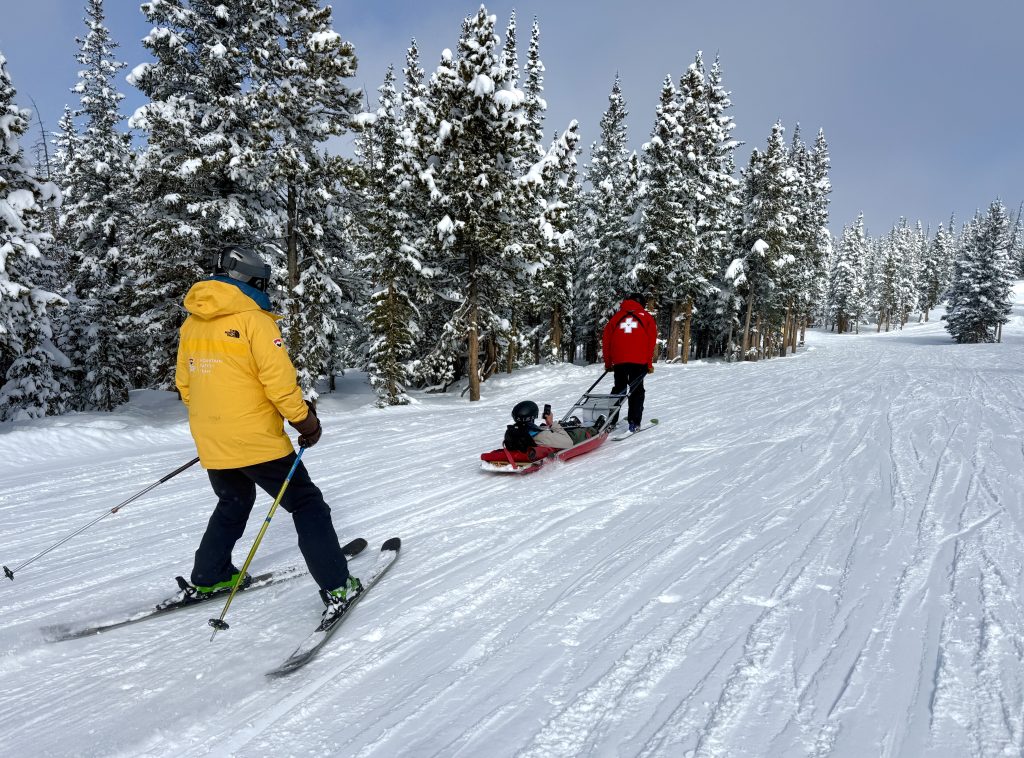
It’s also exactly the type of situation the Winter Park’s Mountain Safety Team is designed to help prevent and respond to in those critical first moments before ski patrol arrives.
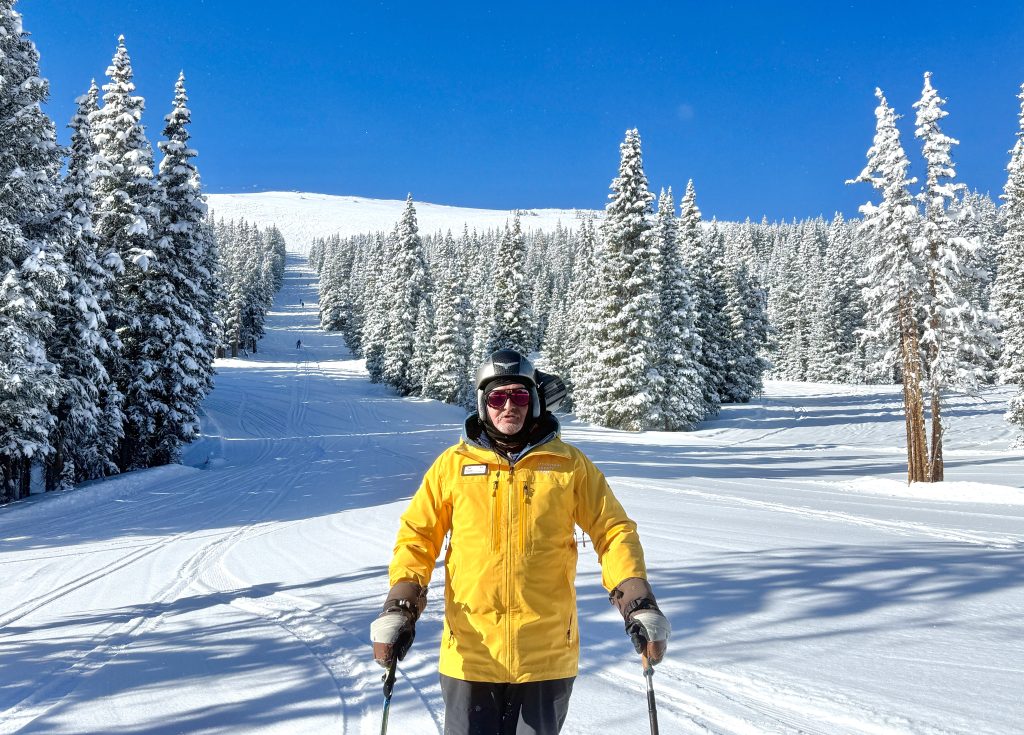
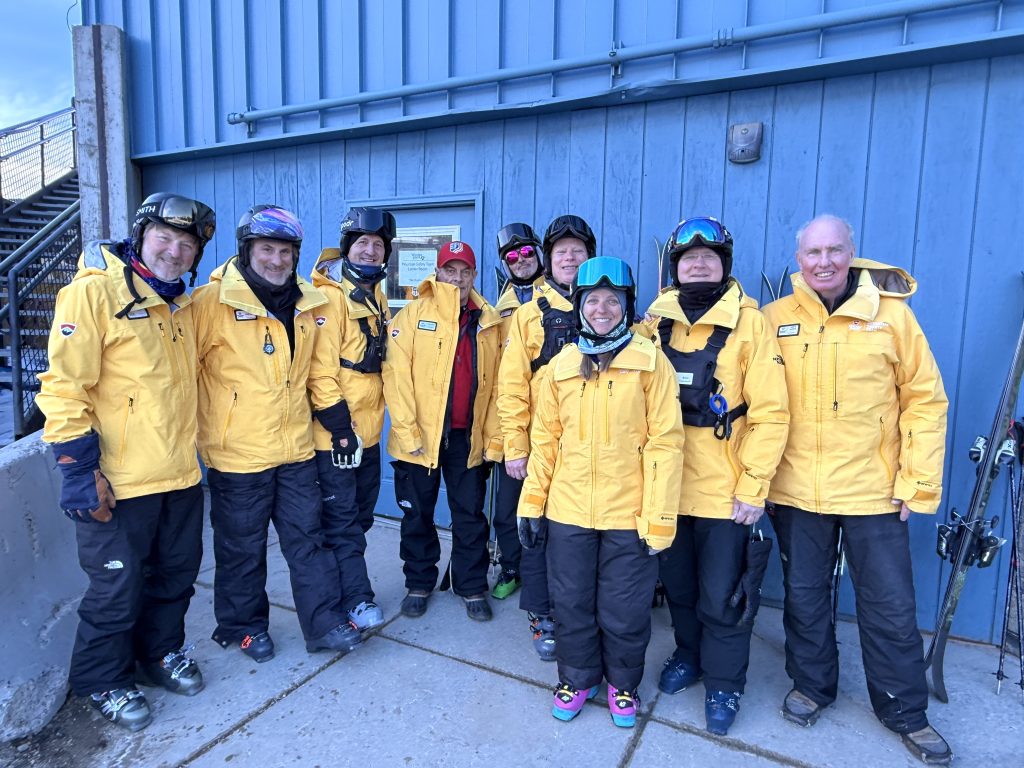
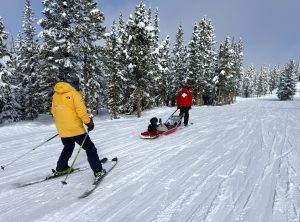
Now in its third full year, Winter Park’s Mountain Safety Team has expanded rapidly, growing fivefold to between 65 and 75 volunteers. Known for their bright yellow jackets, the team is stationed across high-traffic areas on the slopes of the resort, including runs like March Hare, Cranmer, Mary Jane Trail and Parkway, where skier traffic, ability levels and risk tend to converge.
What is the role of the Mountain Safety Team?
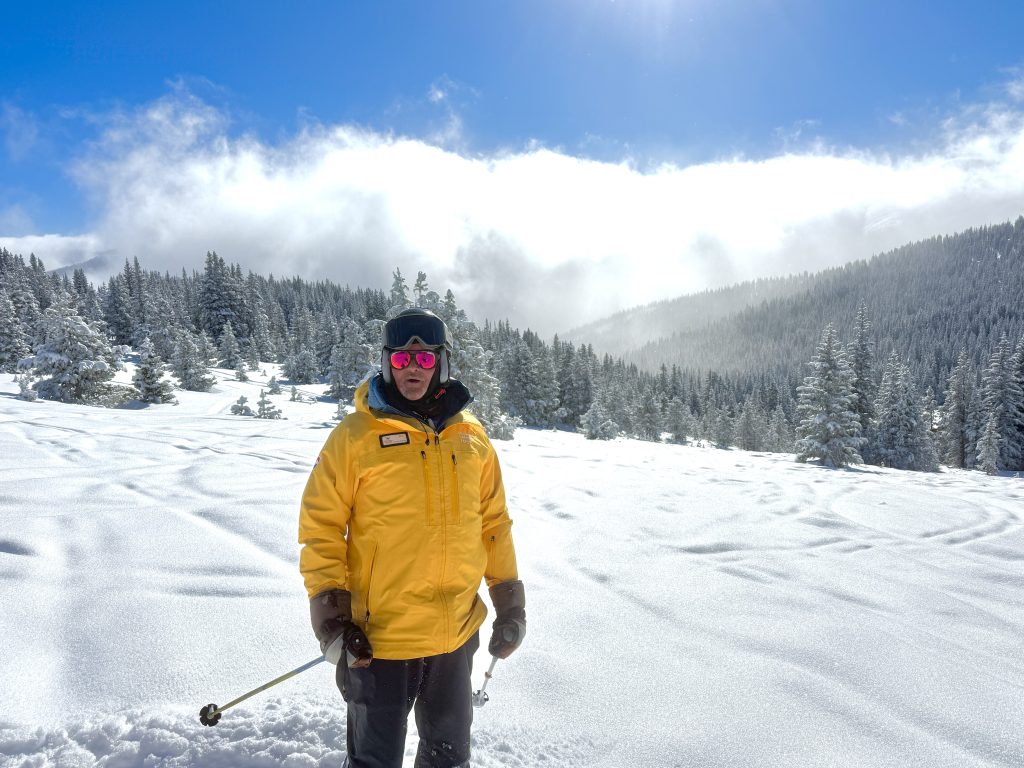
The volunteer safety team members, often referred to as the “yellow jackets,” are tasked with manning zones marked with slow skiing signs, educating and enforcing safety rules and codes, assisting ski patrol with supervisory duties and representing the resort. They are different from mountain hosts, also in yellow jackets, who answer questions for visitors at the base village and other busy areas.
“The location of Mountain Safety Team members is more important than the number,” Jen Miller, Winter Park’s communications director, wrote in an email. “There are busier and high-traffic locations that we focus on.”
Team members are spread across the mountain to help guests navigate the terrain, direct them toward runs suited to their ability level and reinforce safety practices rooted in the Colorado Ski Safety Act and the Skier Responsibility Code. They are not medically trained nor authorized to provide hands-on care, although they carry radios to make reports and contact ski patrol as needed.
Under the Ski Safety Act, skiers and snowboarders accept that their sport comes with inherent risks and generally cannot hold a resort liable for injuries caused by those conditions. These risks include changing weather conditions, natural obstacles like trees and rocks, variations in terrain, collisions and instances where individuals exceed their ability level.
Similarly, the resort’s responsibility code outlines a set of basic rules all skiers and snowboarders are expected to follow. Riders must stay in control at all times and be able to stop or avoid others, while those downhill always have the right of way. They must avoid stopping in blind spots or narrow areas, look uphill before starting or merging onto a trail and ensure their equipment does not run loose.
“Every skier or snowboarder on the mountain is required to know and understand the Colorado Ski Safety Act, including the Skier Responsibility Code,” Miller wrote. “By law if a skier or snowboarder is involved in a collision, he or she must stop, exchange information and report to ski patrol … much like an accident on a roadway.”
Aside from the legal requirements, skiers and riders on the mountain should practice self-awareness, mindfulness and respect for all other skiers and riders. They should have spatial awareness and be sure to give themselves at least 15 feet of space away from other skiers and riders.
These guidelines, if followed, prevent incidents such as the one involving the young skier and countless others seen by ski patrol and volunteers, according to Miller.
Ski patrol handles serious incidents
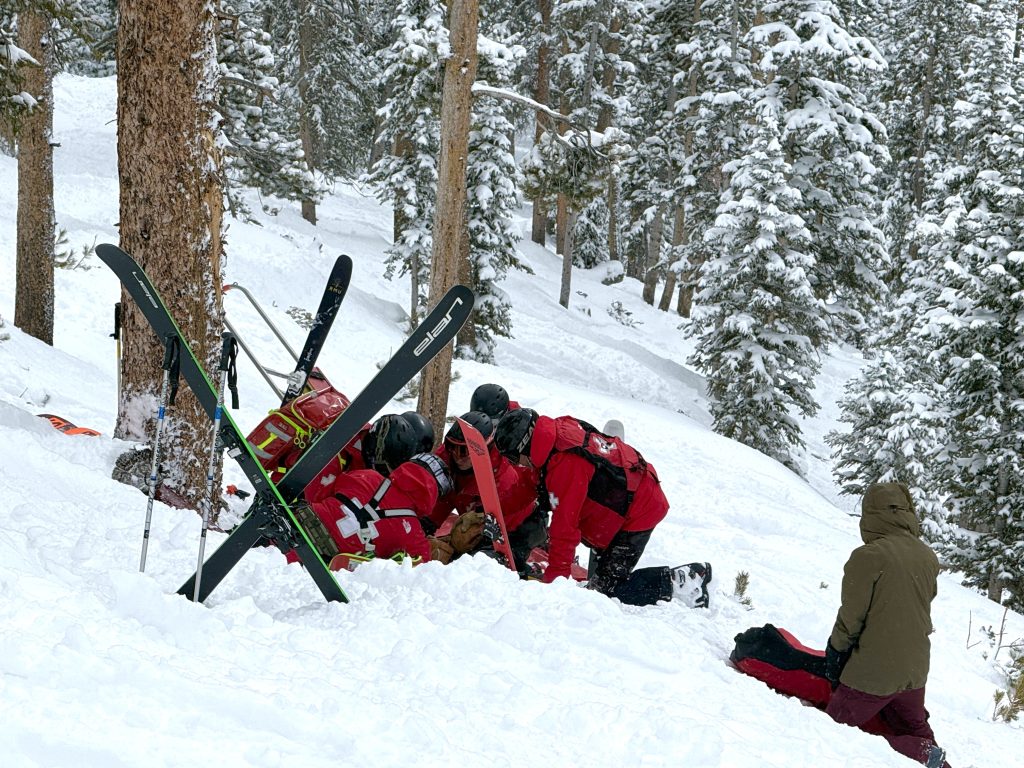
While the Mountain Safety Team provides presence and prevention, it’s the red-coated ski patrol who remain responsible for emergency response. Winter Park employs about 90 paid professional patrollers, many of them full-time, alongside approximately 192 volunteers who typically work weekends and peak periods, according to Miller. On an average weekday, 35 to 40 patrollers are on duty, with an additional 20 to 30 volunteers supplementing coverage on busy weekends, she wrote.
Professional patrollers undergo advanced training in areas such as avalanche mitigation, lift evacuations and emergency medical care. They respond to an average of two injuries per 1,000 guests, though the number fluctuates depending on conditions and visitation, Miller wrote.
Mountain Safety Team Supervisor Joe Puetz said volunteers work closely with the patrol employees, and patrollers have seen the volunteer program’s positive impact in the three years since it began.
“An area where we’ve seen the positive impact of the Mountain Safety Team is in the terrain parks,” Puetz wrote in an email. “When a park skier or rider is injured, it is often at the bottom of a feature and is not visible to other skiers and riders. The Mountain Safety Team is often utilized to close a feature by standing above it to ensure the injured guest and patrollers on the scene remain safe.”
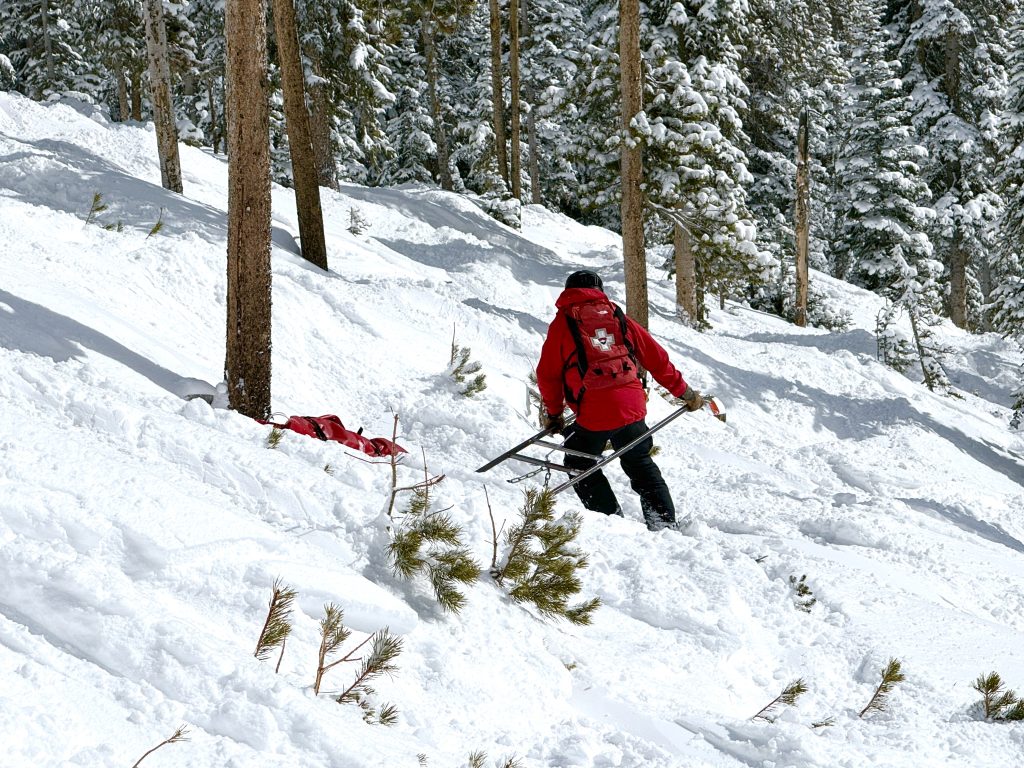
Mountain safety helped to clear the scene and communicate with friends of the victim.
Mountain Safety Team members must have skiing experience and logistical knowledge of the resort, much like that of the patrollers. Their expertise, Puetz said, makes patrollers’ jobs easier when locating injured guests and coordinating rescues. When they witness an injury, a yellow jacket will stand uphill of the injured person to block other skiers from further harming them before a patroller arrives to assist.
As for next season, Puetz said the team’s importance has increased, and he plans to have even more yellow jackets to ensure more coverage throughout the week, rather than only having a full team on high-volume weekends.
The program was born out of guest and staff feedback calling for more on-mountain, guest-facing support, he said. That mission has remained consistent: provide assistance, improve awareness and make the mountain feel safer and more navigable, especially for new skiers and those visiting Winter Park for the first time.
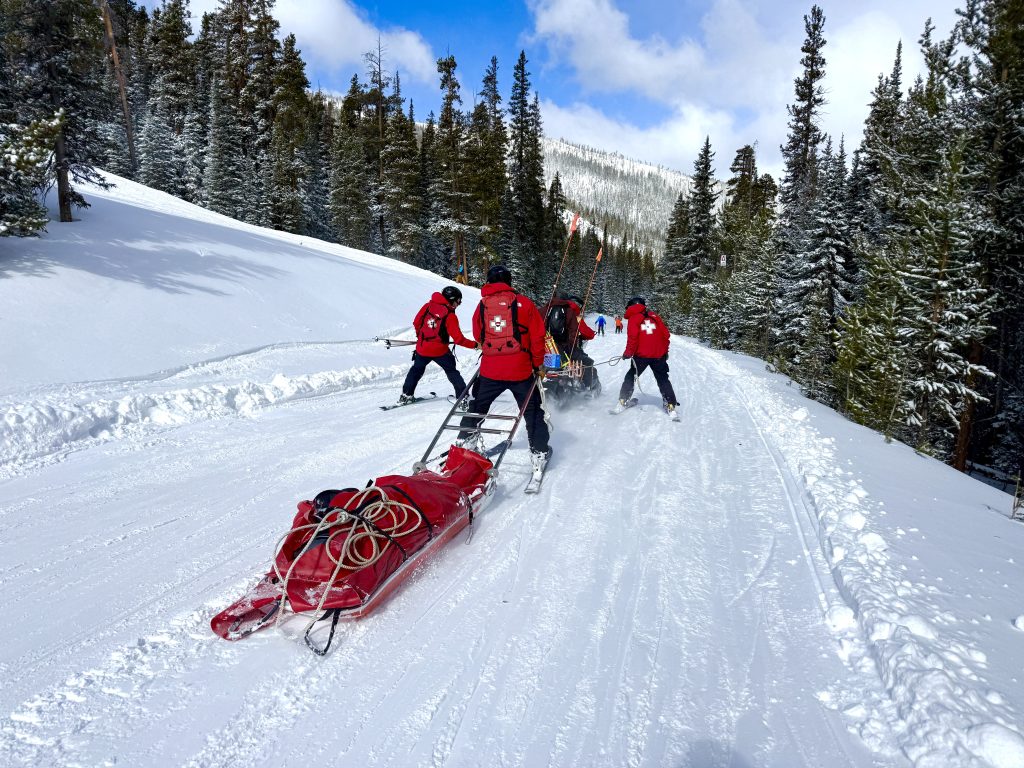
“Especially this year, patrollers have seen the positive impact on the hill,” Puetz said. “The logistical knowledge the team has on hill has made patrollers’ jobs easier when finding injured guests and getting to scenes more efficiently. The team has also increased scene safety by standing uphill of injuries, which has given the patrol team peace of mind that they won’t get injured by another skier that doesn’t see the scene of the wreck.
“At the end of the day we cannot control an individual’s actions, but we can and do everything within our ability to help our guests be safe through signage, visibility in highly trafficked areas, and education about the Colorado Ski Safety Act and the Skier Responsibility Code.”
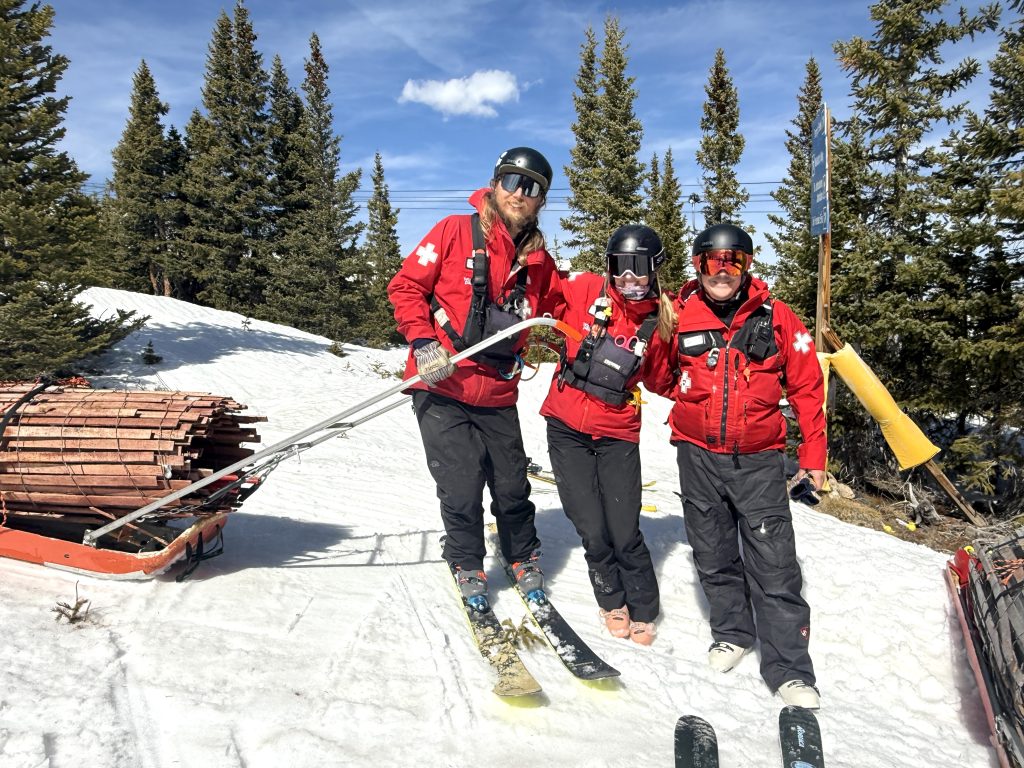
To apply for a position on the Mountain Safety Team for the 2026-27 season, visit WinterParkResort.com/employment/volunteering.




Support Local Journalism
Support Local Journalism
The Sky-Hi News strives to deliver powerful stories that spark emotion and focus on the place we live.
Over the past year, contributions from readers like you helped to fund some of our most important reporting, including coverage of the East Troublesome Fire.
If you value local journalism, consider making a contribution to our newsroom in support of the work we do.