Millions of birds are starting their nightly migration through Colorado: Here’s how to protect them
Most birds migrate by starlight at night but can be disoriented by artificial light, according to the National Audubon Society

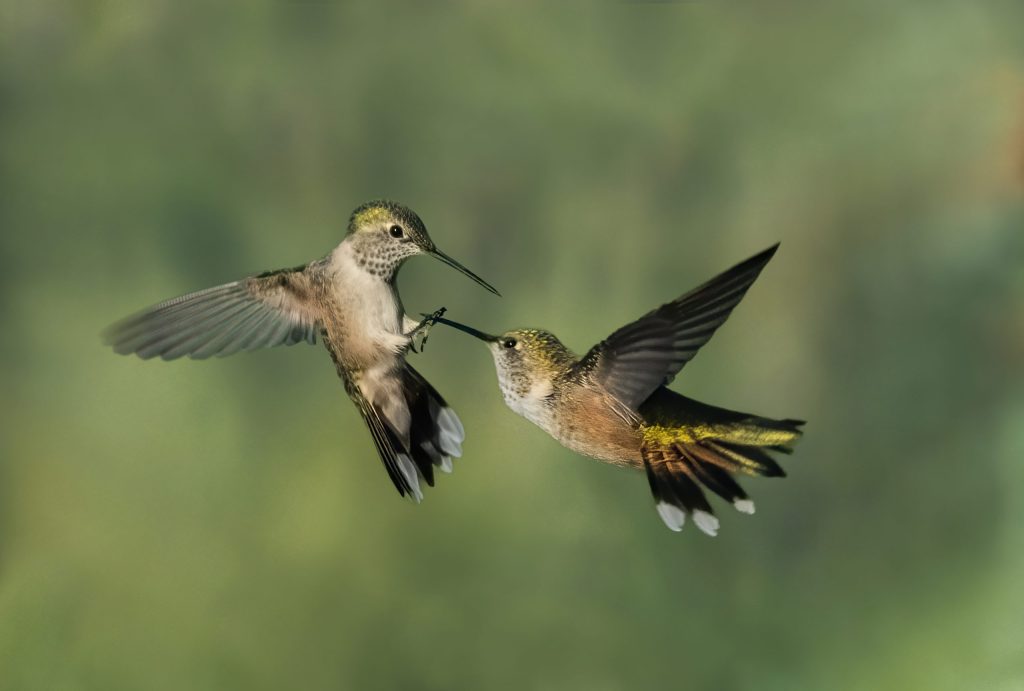
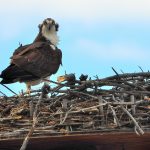
Richard Seeley/Courtesy photo
Coloradans are being asked to dim their lights to aid the millions of birds flying over the state each night amid the annual spring migration.
Every year, birds migrate north in the spring and south in the fall. Nearly 80% of birds that migrate do so at night, often navigating by starlight, according to the National Audubon Society. However, artificial light from humans can disorient the birds, throwing them off their migration path and sometimes causing them to collide with buildings or windows.
“Spring nocturnal bird migration is here!” wrote Richard O’Brien, the chair of Lights Out Colorado, in an email. “Tell everyone you know to shut off outdoor lights to help birds migrate!”
During the migration, Lights Out Colorado — a program supported by Dark Sky Colorado and the Denver Audubon — asks residents to take simple actions to help protect the birds traveling at night. This includes shielding outdoor lights to prevent light from being emitted upwards, and turning off lights as early as possible during the bird migration season.
Many birds are drawn to the artificial lights of buildings found along migratory pathways. One study estimates that building collisions kill as many as 1 billion birds in the U.S. each year — and it’s not just skyscrapers that birds are crashing into. Nearly half of the birds that die from flying into buildings in the U.S. collide with homes and smaller buildings, according to the Audubon Society.
In Colorado, the peak bird migration starts in late April and lasts through the start of June, according to BirdCast, a migration forecast tool created by The Cornell Lab of Ornithology, Colorado State University and University of Massachusetts Amherst.
Already, on the night of April 30, an estimated 2.7 million birds were in flight over Colorado — and the migration is only expected to increase in the coming days and weeks, according to BirdCast. Black-headed grosbeaks, lazuli buntings, Swainson’s thrushes, Wilson’s warblers, eastern kingbirds, willets and ash-throated fly catchers are among the expected nocturnal migrants.
For more information on protecting migratory birds, visit Audubon.org/our-work/cities-and-towns/lights-out.






Support Local Journalism
Support Local Journalism
The Sky-Hi News strives to deliver powerful stories that spark emotion and focus on the place we live.
Over the past year, contributions from readers like you helped to fund some of our most important reporting, including coverage of the East Troublesome Fire.
If you value local journalism, consider making a contribution to our newsroom in support of the work we do.