Gov. Jared Polis just made his final State of the State speech. What did Western Slope lawmakers think about it?
The governor touched on several salient issues for the Western Slope, including housing, home insurance, coal transitions, and immigration. He also avoided mentioning wolves and talked little about water.

Robert Tann Follow
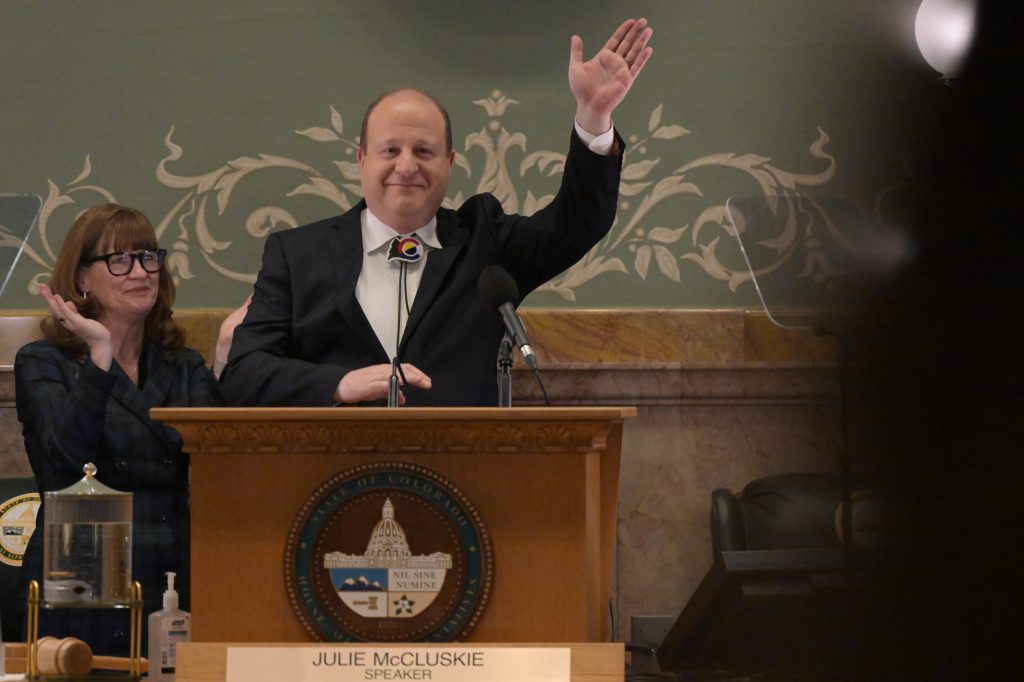
Hyoung Chang/The Denver Post
Colorado Gov. Jared Polis delivered his final State of the State address on Thursday before a packed crowd of state lawmakers at the Capitol.
Polis is term-limited this year, and much of his more than 80-minute speech — the longest of his tenure — was focused on cementing his legacy after first being elected governor in 2018, with a healthy sprinkle of pop-culture references.
Polis, a Democrat, touted achievements like establishing a universal free preschool program, accelerating Colorado’s clean energy goals to reach 100% renewable energy by 2050, cutting property and income taxes, and working with lawmakers to boost funding for K-12 schools after years of underspending.
“I want to remind people that when I did come in, people were skeptical,” Polis told reporters during a press conference following his speech. “I ran for office on very specific things — free preschool and kindergarten, achieving 100% renewable energy, saving money on health care, and reducing the income tax. A lot of people thought we couldn’t get those things done. And we did.”
The governor also used his address to call on lawmakers to pass as much of his remaining legislative agenda as possible before he bows out at the beginning of 2027. That includes many of the same topics as past years, like building more affordable housing, lowering property insurance costs, and reforming health care.
And, like last year, two big Western Slope issues were either absent or barely mentioned.
Wolves and water
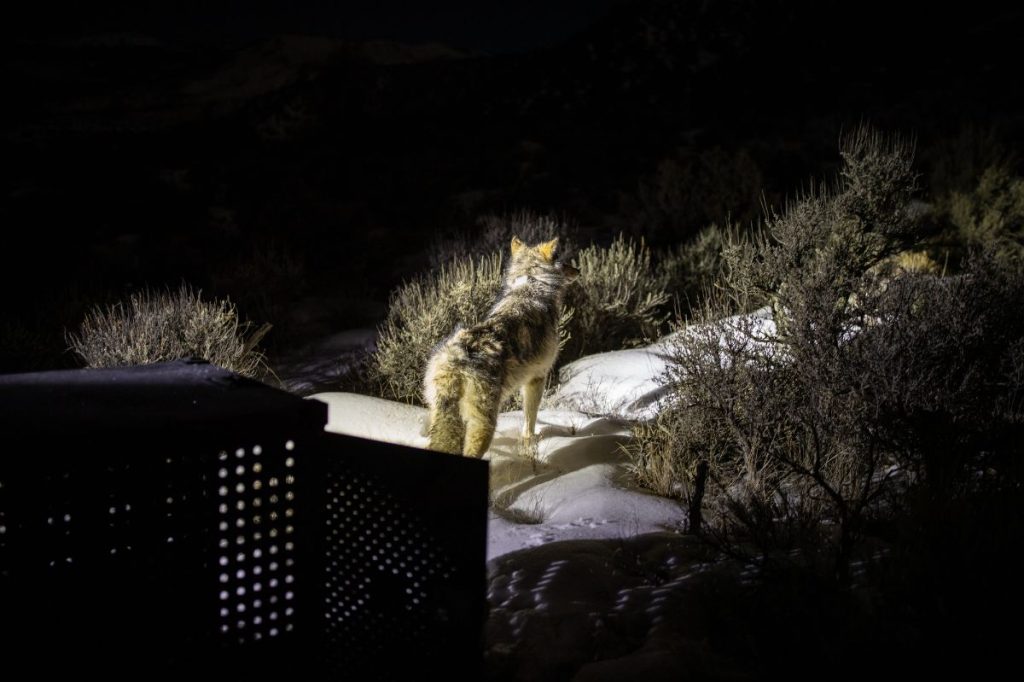
Sen. Marc Catlin, R-Montrose, said he was “surprised” that the governor didn’t touch on the state’s wolf reintroduction program, which voters narrowly approved in 2020, and has been mired in controversy since.
“I think it says that it was not as big a success as they were hoping it would be,” Catlin said. “Depredations and killings, that is really hard on the (ranching) community.”
Sen. Dylan Roberts, D-Frisco, said the State of the State address is an opportunity for the governor “to highlight things that are going well in their administration.
“And I think if the wolf program were going well, or it were going much better than it is, it may have been something that he mentioned,” he said.
Western Slope voters largely opposed reintroduction, and ranching groups have chastised the state’s handling of the program, which began in earnest in late 2023 when the first batch of wolves was released in Summit and Grand counties.
The program continued to face challenges this year, with Washington rejecting a request from Colorado to give the state more wolves, and the unexpected resignation in November of Colorado Parks and Wildlife’s director, Jeff Davis, who’d overseen reintroduction up until that point.
Polis defended the wildlife agency’s implementation of the program during his press conference with reporters, saying he believes the reintroduction has been successful so far.
“When the voters have their say, whether I supported the initiative or not, we roll up our sleeves, and we get it done,” Polis said, “and I trust the professionals at Colorado Parks and Wildlife, who’ve been able to establish a successful wolf presence in our state.”
Polis briefly mentioned the state’s investments in water projects, the challenges of drought and ongoing negotiations with other states over using the Colorado River — yet it was more than he delved into those topics last year.
“It’s an issue that will obviously confront whoever the next governor is, as these 2026 negotiations come to a head,” Roberts said.
Roberts said he appreciated hearing Polis discuss the “significant funding” that’s been allocated for water projects across the state, much of which has been supported with the state’s tax on sports betting.
Building more housing
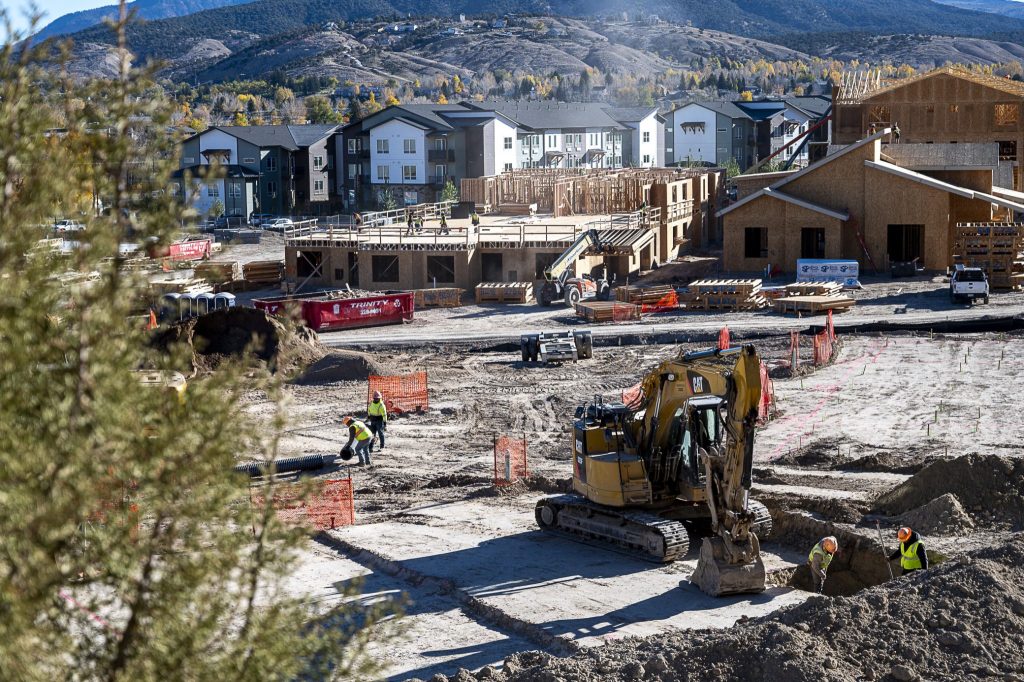
Housing remained a dominant topic for Polis, and was the first major policy issue he discussed when it came to what’s on the agenda this year.
Polis urged lawmakers to pass what supporters are calling the Housing Opportunities Made Easier, or HOME Act. The legislation would allow entities like schools, nonprofits and transit agencies to bypass local zoning codes and build affordable housing on land that they own.
The bill is modeled after similar legislation last year that would have allowed churches to build housing on their land, but was rejected by the state Senate. Polis, in advocating for this year’s bill, said, “Coloradans are eager to be a part of the housing solution.”
He pointed to the Eagle County School District’s Miller Flats Apartments project in Edwards, which consists of 37 housing units for district employees, as an example.
Land use remains a contentious issue for the state and local governments, with some municipal leaders accusing Polis of seeking to usurp local control with some of his housing policies.
Catlin said he thinks there’s a way for the state to support local housing efforts, especially in rural resort communities, where attainable housing is in short supply.
Catlin said he supports financing efforts, like tax credits, to get more housing built. But he has reservations about the state imposing land use and zoning policies on local communities.
“I’m a believer in local control,” Catlin said.
Roberts said the HOME Act “is starting in a much better place than it did last year.” While Roberts has long advocated for local decision-making on housing, especially in mountain areas, he said this year’s legislation represents a more targeted approach for building homes that will be affordable.
“I think it’s overall a good idea,” he said.
Reducing property insurance costs
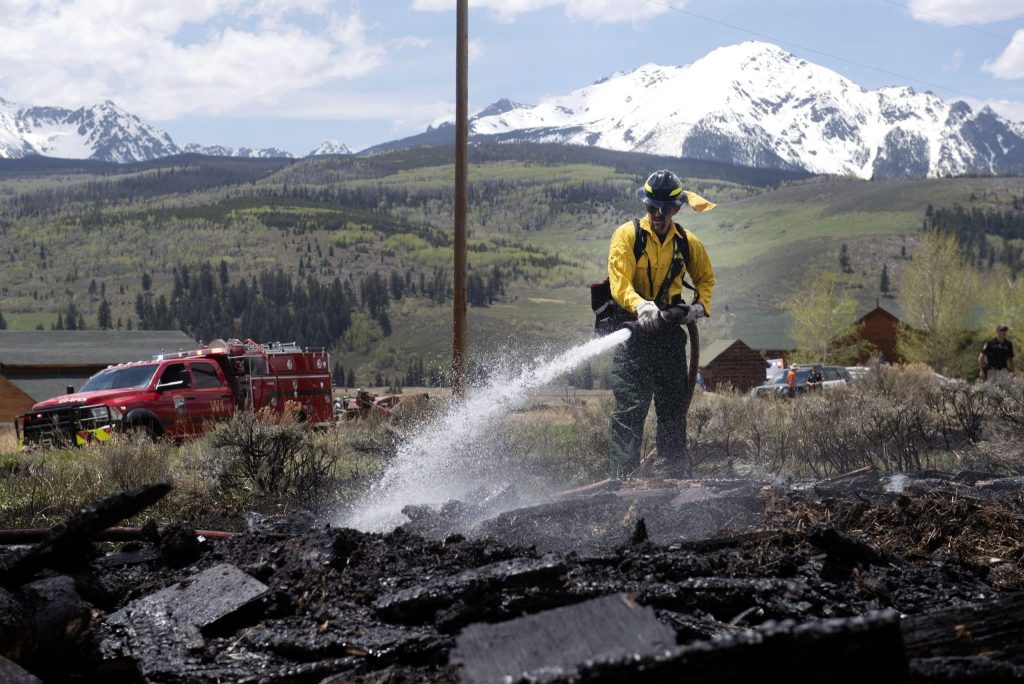
Polis renewed his call for legislation to bring down homeowners insurance rates, saying that costs “continue to skyrocket.”
It’s an issue that’s particularly salient in mountain communities, where increased wildfire risk has driven up insurance premiums for some homeowners. House Speaker Julie McCluskie, D-Dillon, championed a bill last year that would’ve established dual funds — one to create a reinsurance program for wildfires, and another to help homeowners weatherize their homes for hail, the other main cost driver of insurance.
That bill had the backing of Polis but was killed by lawmakers who were uneasy about its fee structure. The bill would’ve imposed a 1% fee on all homeowners’ insurance policies to generate the funding.
McCluskie has vowed to bring the bill back in another form this year, and Polis signaled he is eager to sign it.
“While we might not tackle the entire challenge overnight, it’s long past time we start,” he said.
Clean energy transition
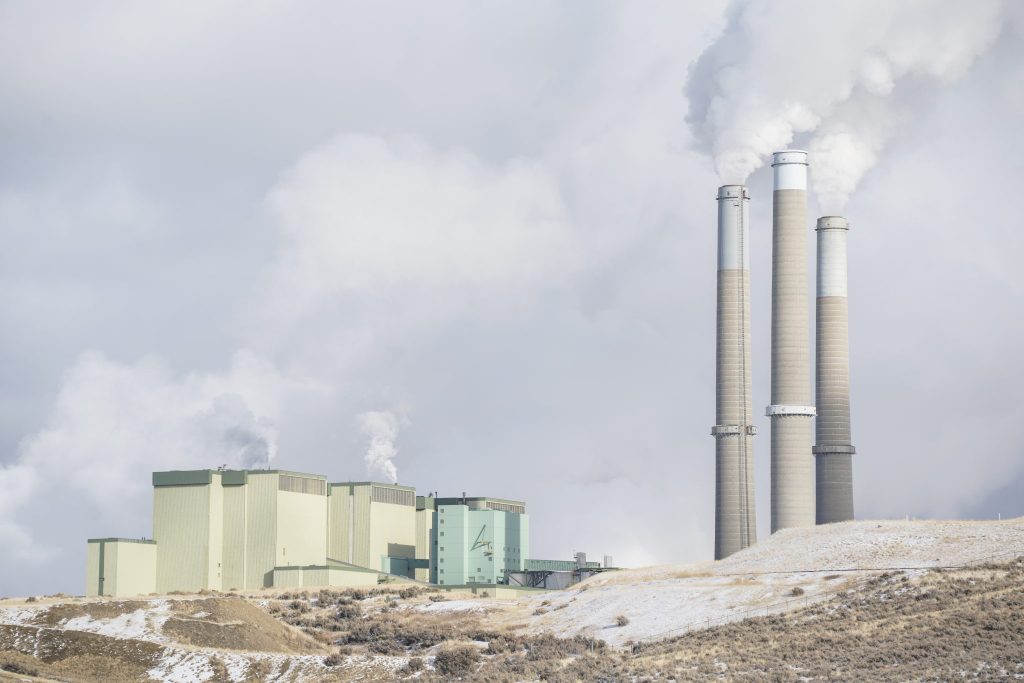
Polis said Colorado is committed to reaching its goal of having 100% renewable energy production by 2050, even as it goes against the grain of federal policy.
The governor said President Donald Trump and his administration are “tipping the scales toward expensive, out-of-date coal production that drives up costs, pollutes our air, and subjects all of us to volatile price swings in natural gas.”
Trump’s energy department has pushed to keep coal plants online in several states, including Colorado. On Dec. 30, U.S. Department of Energy Secretary Chris Wright issued an emergency order requiring a coal plant in Craig to remain operational just one day before it was scheduled to close.
The state’s transition from coal-powered energy to more environmentally-friendly energy production has been a hot-button issue in northwest Colorado, where the scheduled closure of plants in Craig and Hayden is risking jobs and local tax revenue.
“The impact of the coal closure in those communities is serious,” said Rep. Meghan Lukens, D-Steamboat Springs, whose House district includes both the Craig and Hayden coal plants. “Those of us that represent coal-transitioning communities are working to support those communities in the transition, while recognizing the extreme impact that this has.”
Lukens said she is working on a bill with Roberts to help coal workers find new jobs, and help those communities better maximize settlement dollars, which are paid by the state to help offset some of the socioeconomic consequences of coal plant closures.
Immigration

Polis last year received criticism from some lawmakers over his handling of immigration during his State of the State address, which came just days before Trump began his second term.
In that speech, Polis rebuked some of Trump’s more hardline immigration stances, but also welcomed “more federal help to detain and deport dangerous criminals.”
This year, Polis avoided that rhetoric and focused on what he called a “cruel immigration agenda.”
“Today, nearly 75% of people held in immigration detention centers have no criminal history,” Polis said. “In America in 2026, a culture of fear and chaos means families debate going to work or sending their kids to school out of fear they won’t come home … This is not who we are.”
Federal immigration activity has increased throughout the state over the past year, including in mountain towns, where a wave of immigration operations, including deportations, has stoked fear and outrage for some community members.
Rep. Elizabeth Velasco, D-Glenwood Springs, who has championed many pro-immigrant bills in the legislature, said she was proud of Polis’ change in rhetoric this year.
“I do think there is a shift in people’s perceptions, just because the ICE activity has been so horrible,” Velasco said, referencing recent national incidents, such as the shooting and killing of a woman by an ICE officer in Minneapolis earlier this month.
Velasco and other lawmakers are planning to introduce a suite of bills this year to bolster protections for immigrants in Colorado. That will include a measure to fine-tune elements from last year’s major immigration law, which expanded limitations on data sharing and collaboration between state and local officials and federal immigration officers.
“We are definitely very committed to working with (Polis) in his last year, and hopefully he can continue to see the urgency of the issue,” Velasco said. “I feel like it is the issue of the moment, for many of our communities.”



Support Local Journalism
Support Local Journalism
The Sky-Hi News strives to deliver powerful stories that spark emotion and focus on the place we live.
Over the past year, contributions from readers like you helped to fund some of our most important reporting, including coverage of the East Troublesome Fire.
If you value local journalism, consider making a contribution to our newsroom in support of the work we do.