Colorado mountain towns smashed temperature records last month, causing snow to melt despite recent storms
Steamboat Springs and Summit County set new average temperature records for February as temperatures soared almost 10 degrees above normal

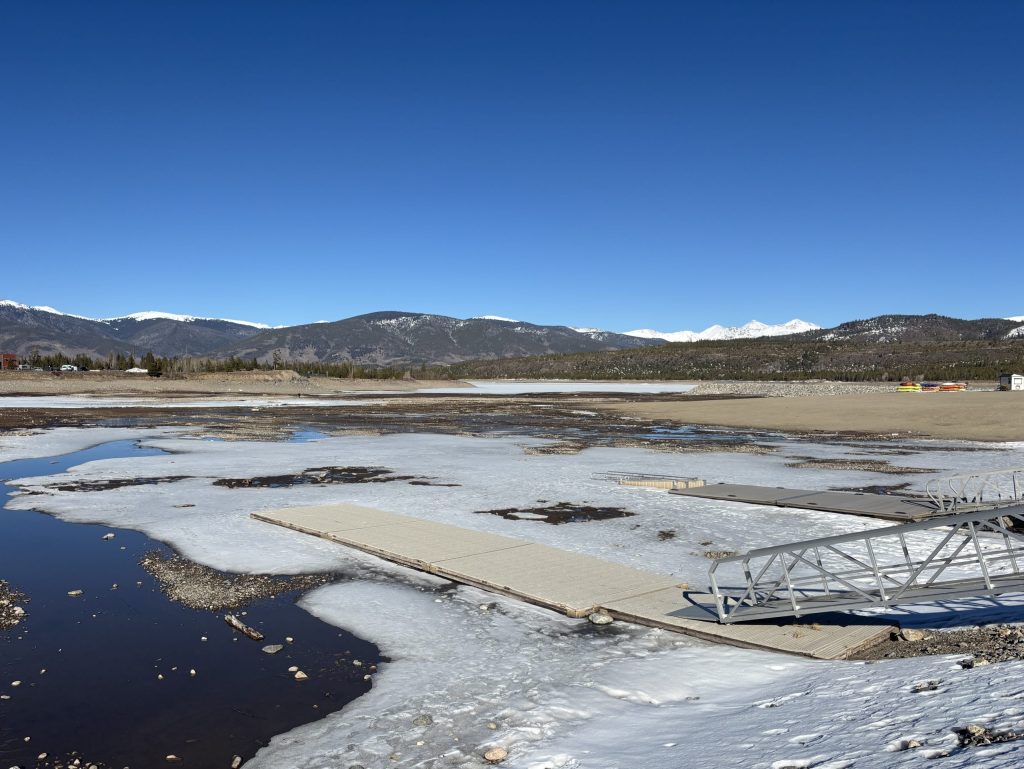
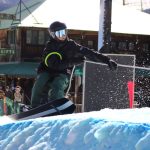
Ryan Spencer/Summit Daily News1
The winter to date has been the warmest on record in Colorado, with some mountain regions seeing the mildest temperatures in more than 100 years last month, according to National Weather Service data.
Weather stations in two mountain towns with century-old temperature records set all-time highs for the average temperature in February. Meanwhile, the snowpack statewide remains at historic lows despite a flurry of precipitation in the mountains at the end of February.
“The conditions through the winter up to this point have been pretty brutal in terms of the temperature and the lack of snow in the mountains,” Colorado State Climatologist Russ Schumacher said.
Across Colorado, the snowpack this winter has rivaled the worst years in the state’s history, the winters of 1976-77 and 1980-81, Schumacher said. While the state’s modern snow telemetry — or SNOTEL — system has shown a record-low snowpack for much of the winter, that data only dates back until the late 1980s, he said.
However, hand measurements known as snow courses have been taken monthly in some places in Colorado for nearly a century, according to Schumacher. On Independence Pass, the snow course taken on March 1 ranked this year’s snowpack in the third percentile, meaning 97% of the 88-years on record saw a better snowpack, he said.

“So, it’s not record low, but it’s pretty close,” Schumacher said. “There’s a lot of places where the snow at the end of February was helpful to get out of the record-low territory, but it’s still really low.”
Even as precipitation picked up across much of the mountains last month, Schumacher said the record-warm weather limited its ability to help the snowpack, as snow melted quickly in lower elevation areas or fell as rain.
In Steamboat Springs, although precipitation in February was almost exactly average, the average temperatures for the month hit record-highs, according to National Weather Service data. The data shows February temperatures there averaged about 31 degrees Fahrenheit — just a degree below freezing.
In Summit County, where data shows precipitation was slightly below normal, temperatures also hit record-highs. A National Weather Service station in Dillon recorded an average 27.8 degrees through February, more than a degree above the previous monthly average record of 26.4 degrees, which was set in both 1954 and 2017.
Both towns, which have temperature records dating to about 1910, averaged nearly 10 degrees above normal last month, according to the National Weather Service. On a statewide level, from October through February, Schumacher said it has been the hottest winter on record by about a degree.
“The temperatures are — I don’t even know how to describe it,” Schumacher said, “because it doesn’t look like winter in most places.”
While he said he will keep his “fingers crossed” for a “miracle pattern shift later in the spring,” Schumacher noted that the long-term forecasts aren’t pointing to a sudden turnaround to end the winter.
Looking ahead, National Weather Service forecasts suggest above-average temperatures will continue in Colorado for several weeks, while the precipitation outlook is less certain, with equal chances of above- or below-average precipitation in the next month.
With the low-snowpack, Colorado has weighed an early-activation of its Drought Task Force. There have also been concerns about impacts to the recreation economy as well as what drought conditions could mean for wildfire risk and water shortages in the West this summer.
“It’s a safe bet that we’re going to see issues with water supply because the snowpack is going to end the season being low,” Schumacher said. “There’s really no question about that. It’s really a question of how low.”
Unless humans tamp down on the burning of fossil fuels that release heat-trapping gasses into the atmosphere, Schumacher noted that scientists expect climate change to continue, resulting in warmer temperatures and more unseasonable winters.
Statewide, annual average temperatures have warmed by about 2.3 degrees Fahrenheit between 1980 and 2022, according to the Climate Change in Colorado report. The report published in 2024 found that only one year in the 21st century has been cooler than the 1971-2000 average.
While climatologists have low confidence in how precipitation patterns in Colorado are expected to shift due to climate change, there is very high confidence that the state will see warmer temperatures as a result of climate change, according to the report. By 2050, the report predicts that the average year is likely to be as warm as the very warmest years on record through 2022.
“Winters are highly variable, so it’s not like every winter is going to be warm and dry like this winter. This is probably going to look like an unusual one for a long time” Schumacher said. “That being said, we’re warming, and as we warm, that makes the likelihood of warm winters or warm seasons or warm years greater.”



Support Local Journalism
Support Local Journalism
The Sky-Hi News strives to deliver powerful stories that spark emotion and focus on the place we live.
Over the past year, contributions from readers like you helped to fund some of our most important reporting, including coverage of the East Troublesome Fire.
If you value local journalism, consider making a contribution to our newsroom in support of the work we do.