Fraser breweries push back against town’s wastewater regulation policy
Town officials said brewery waste is straining their wastewater treatment plant, but local brewers questioned the accuracy of the data behind newly implemented rules.

Izzy Wagner Follow
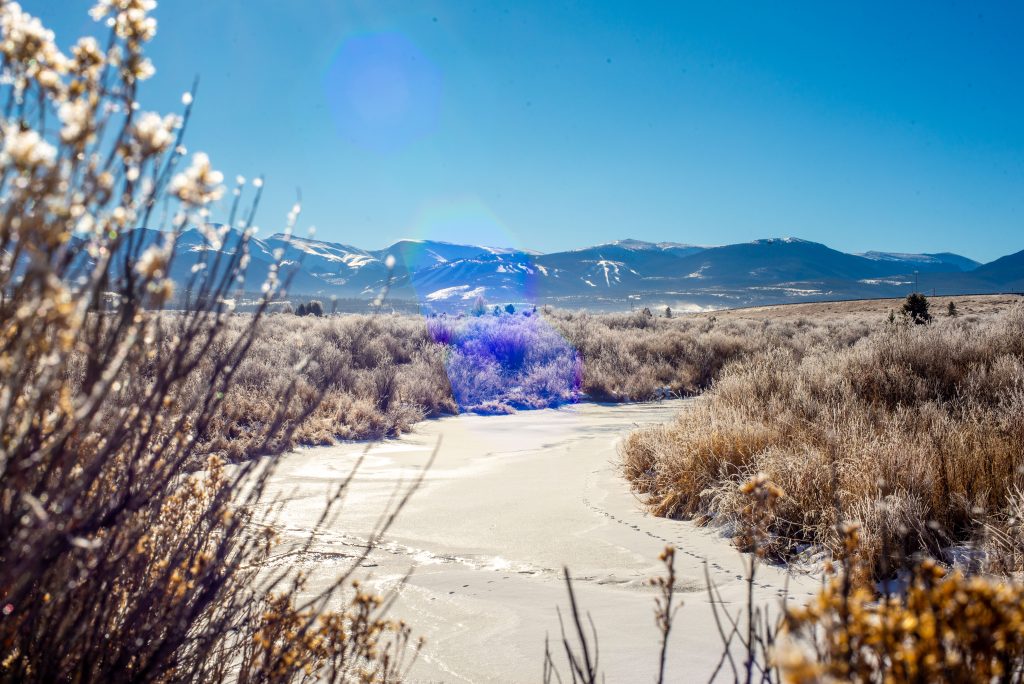
Gino Savaria/Sky-Hi News
Editor’s note: This story has been updated to include Fraser Valley Distilling in a list of eight breweries and distilleries that were actively discharging production wastes to the Fraser sanitary sewer. The list was also updated to note that Noble Buck has closed since the report was issued.
Since the Fraser Board of Trustees passed a resolution enforcing wastewater treatment regulations for breweries last March, Nick Crabb said he’s been compliant, though he remains frustrated by the process.
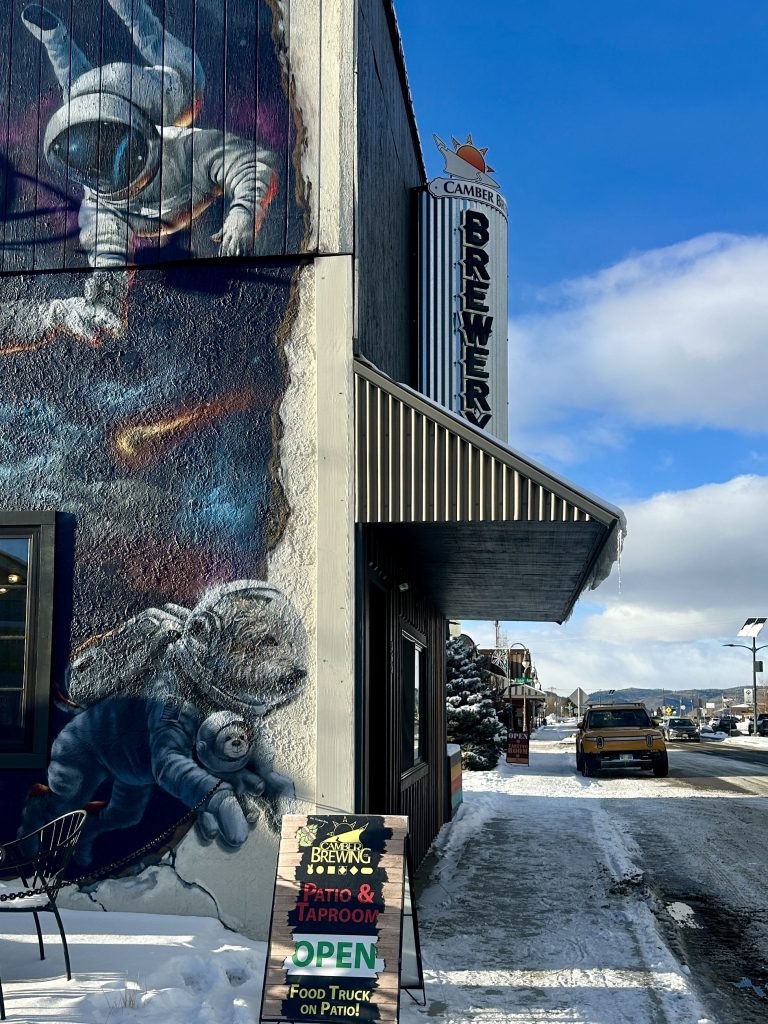
Crabb owns Camber Brewing Company, a small brewery in downtown Fraser established in 2019. When he first opened, it was customary for breweries to dump the liquid waste, a byproduct of beer-making, into the municipal sewer system. From there, it would be sent to the town’s wastewater plant for treatment before being released back into the Fraser River.
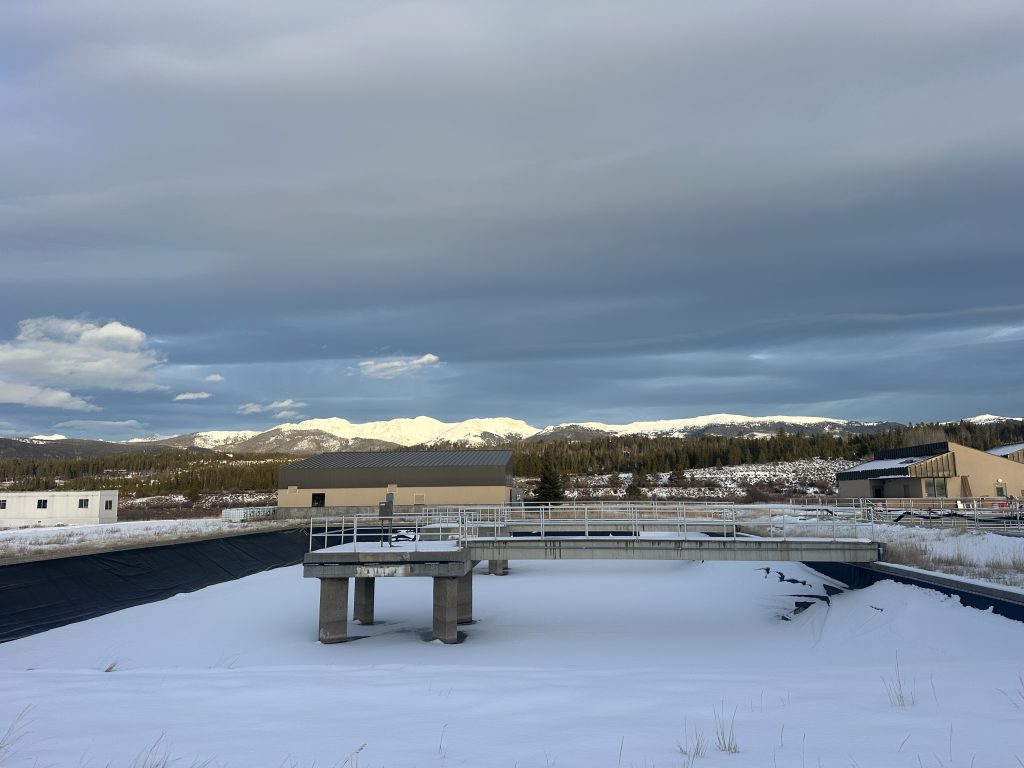
However, the wastewater treatment plant has been racking up discharge permit violations due to elevated amounts of biochemical oxygen and nitrogen in wastewater streams, which damages plant and aquatic life. Local brewers said the polluted water has been a red flag since 2017, and Fraser officials have been working to address complications at the treatment plant for several years.
With its state discharge permit at risk, the town hired a consultant to conduct a water study in 2023. According to the study, brewers and distillers were the primary producers of the harmful waste which made the water treatment process more difficult. To solve the problem, Fraser enforced new rules for brewers and distillers.
Under the new program, breweries and distilleries must separate, or side-stream, brewing-related waste from the municipal sewer system and have it hauled off-site by Denali Water Solutions each month, rather than sending it to the town’s wastewater treatment plant.
‘Growing pains’ or a ‘waste of taxpayer money’?
Fraser’s breweries are all fairly new, and according to Town Manager Michael Brack, there have been “some growing pains” with establishing a water treatment process. However, he said side-stream capturing is a common requirement among breweries in other Colorado communities.
“Many communities already have this process,” he said. “You have a brewery or distillery coming into a new commercial space, and before they get their business license there’s already a process in place to ensure that they’re either treating or side-stream capturing.”
The process is costly — each waste-hauling trip costs the town more than $2,000, in addition to a per-gallon-collected fee. But Crabb said the biggest frustration for brewers is that the time-consuming waste collection process has done nothing to remedy the issue.
“I do not find the program effective and feel it was/is a waste of taxpayer money,” he stated in an email. “Based on our production volume and all available data, including research from the Brewers Association, I believe the program has had zero effect on the overall wastewater issue.”
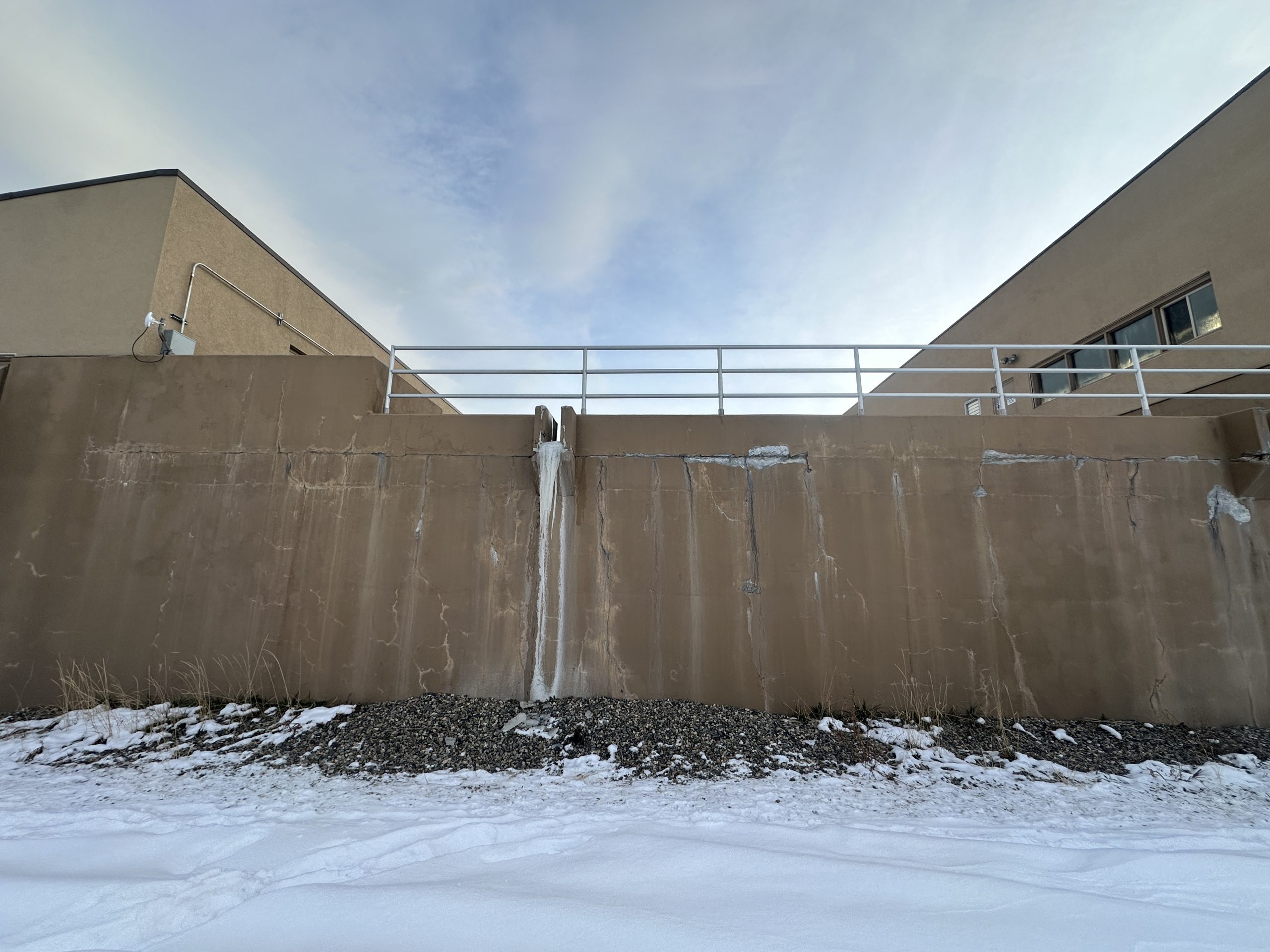
At a meeting last March wherein the wastewater collection resolution passed, town officials said the cost of hauling brewery waste via Denali would be temporarily covered by the Joint Facilities Oversight Committee, with the understanding that this funding was not guaranteed long-term.
Brack said financial responsibility for the waste pickups is at the discretion of the sanitation districts where the breweries are located. The sanitation districts are currently subsidizing the pickups, while the town has provided breweries with side-streaming equipment.
Crabb said his and other small breweries may not survive the financial burden if the wastewater pickup fees are transferred to brewers.
“There is zero feasible way the breweries and distilleries can pay for these Denali pickups and, if required, the Valley will absolutely see most of us local family-owned businesses closing our doors once the Joint Facilities Oversight Committee stops paying for the hauling costs,” he said.
Tom Caldwell, co-owner of Big Trout Brewing Company, said that in his 15 years as a professional brewer in Grand County, he only heard from wastewater treatment plant officials four years ago, when he said they “tried to blame” local brewers for the plant’s mishandling of water treatment.
When Big Trout opened in 2020, Caldwell and the other four breweries within town limits purchased a tap fee to use the municipal sewer system for their liquid waste. Yet, there was no mention of wastewater violations at the treatment plant, even though brewery owners and operators said the violations started as early as 2017, he said.
“They allowed us all to open and happily cashed our checks, but now are blaming us for their inability to efficiently run the plant,” Caldwell said. “Our breweries together produce less than 2,000 beer barrels a year, a very small amount. There is no way this small amount of beer would disrupt a well-run wastewater plant.”
Conflicting reports brew confusion
In 2022, Fraser hired the consultant GeoSyntec to look into breweries’ potential contributions to the plant’s infractions.
GeoSyntec’s findings allegedly pointed to the influx of tourists during busy winter holidays as the main contributor to the increase in harmful elements in the water. Consultants recommended an industrial pretreatment program and community engagement plan to resolve the problem, according to discussion at a Joint Facilities Oversight Committee meeting on Feb. 10, 2022.
The GeoSyntec report was later deemed invalid by town officials, including Town Manager Michael Brack who was hired in March of that year. According to the town, the report used previously published data rather than collecting samples from breweries and other commercial sites.
The town hired a new consultant, Tetra Tech, in 2023 to collect and analyze water samples. In its report, presented to the town in June of 2024, Tetra Tech linked the increased loading to the growth of breweries and distilleries in the area, acknowledging that their wastewater can contain elevated levels of biochemical oxygen demand, ammonia, phosphorus and total suspended solids. These parameters were also present in the polluted water entering the plant.
“Based on commercial user visits, eight breweries and distilleries are actively discharging production wastes to the sanitary sewer,” the report stated. The establishments include Fraser River Beer Company, Camber Brewing Company, Big Trout Brewing Company, Hideaway Park Brewery, Idlewild Spirits Restaurant and Distillery, Vicious Cycle Brewing Company, Fraser Valley Distilling and Noble Buck. Noble Buck has closed since the report was released.

Brack said waste streams sampled and tested at breweries and distilleries by Tetra Tech found elevated amounts of biochemical oxygen demand and nitrogen, making the water more difficult to treat. He also said that existing town code prohibited the discharge of these wastes into the sewer collection system, but the rule had not been previously enforced.
In response, the mandatory side-stream waste capture program and off-site shipment was implemented, but brewers remain disgruntled by the new regulations, and by the town’s lack of response to their complaints.
Brewers requested monthly reports on how the side-stream capture program was affecting the wastewater plant. Only two reports were provided: one in December 2024, and another in January 2025. After that, brewers were told “there will be no more testing,” Crabb said.
Brack said the town plans to install a continuous sewer monitoring system to continuously track waste quality and provide the most accurate evidence of its source. He expects vendor proposals to come in until Jan. 23, but the system will not be in place until at least three months after a vendor is selected.
“I understand that there’s definitely some pushback on having to change or increase their costs,” Brack said. “But that’s really just part of this business. We’ve had a lot of conversations with them over the last couple years and are working to better address this. And we want to keep them in the valley. They’re wonderful businesses.”






Support Local Journalism
Support Local Journalism
The Sky-Hi News strives to deliver powerful stories that spark emotion and focus on the place we live.
Over the past year, contributions from readers like you helped to fund some of our most important reporting, including coverage of the East Troublesome Fire.
If you value local journalism, consider making a contribution to our newsroom in support of the work we do.