Mountain Parks Electric looks for long-term rate stability after provider switch

Izzy Wagner Follow
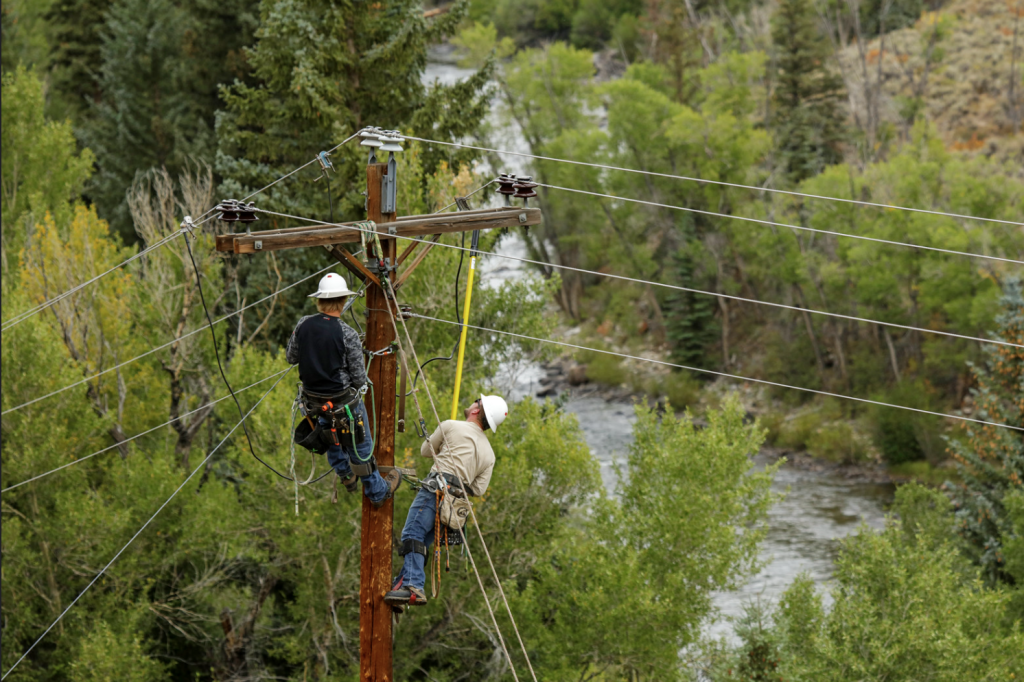
Mountain Parks Electric/Courtesy photo
A recent federal court decision has brought long-awaited clarity to Mountain Parks Electric’s exit from its former power provider.
On March 24, the United States Court of Appeals for the Tenth Circuit upheld a framework established by the Federal Energy Regulatory Commission for calculating exit fees paid by distribution co-ops leaving Tri-State Generation and Transmission Association.
The ruling effectively closed the door on years of legal uncertainty for Mountain Parks Electric, which officially transitioned to a new power supplier in 2025.
Meanwhile, the co-op continues navigating rising energy costs and a new long-term strategy for its members.
A path to stable costs
The choice by Mountain Parks Electric to leave Tri-State was driven by three primary goals: price predictability, flexibility and reliability, CEO Virginia Harman said.
The cooperative issued its notice of withdrawal in January 2023, beginning a two-year transition process before officially switching to Guzman Energy on Feb. 1, 2025.
Under its previous contract, the co-op was required to purchase nearly all of its power from Tri-State, limiting its ability to pursue local energy projects or shop for alternative sources. The new 20-year agreement with Guzman allows the co-op to secure a fixed wholesale power rate while gaining more control over its energy mix, she said.

However, she said leaving Tri-State triggered a complicated and years-long legal process over how exit fees should be calculated.
Mountain Parks and other electricity cooperatives argued in court that the fees should be transparent and based on actual costs without overburdening departing members. The recent ruling affirmed the framework they used during their exit, ensuring the co-op would not face additional charges.
Why rates are still rising
Despite the promise of long-term savings, electricity users have seen rates increase since the transition. This reality, Harman said, is a produict of the pressure the energy industry faces on a national scale, rather than the provider switch alone.
While the Guzman contract locks in the cost of energy itself at a fixed rate, that portion is only one piece of the overall bill, she said
“We at least have predictability in what the energy component of our rates will be,” Harman said. “But there are other components that are not fixed.”
Those costs include transmission, rising expenses for infrastructure, materials and labor. Nationwide, utilities are also grappling with aging electric systems that require significant upgrades, she said.
“All of those cost pressures go in together to ultimately impact the cost of rates to our membership,” Harman said.
As a member-owned cooperative, Mountain Parks Electric operates on a not-for-profit model; costs are passed directly to customer shareholders.
“At the end of the day, it costs what it costs to deliver the service,” Harman said.
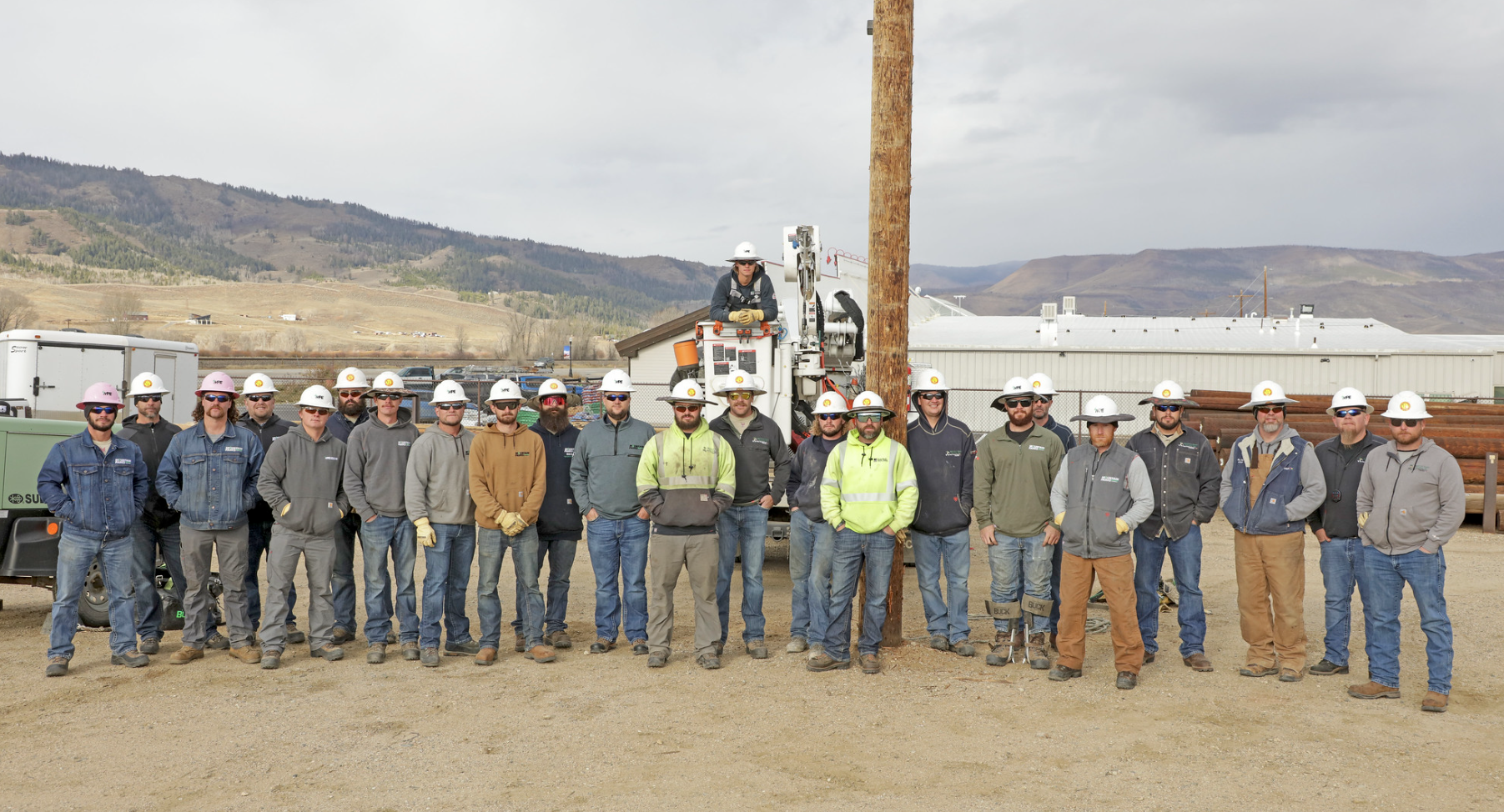
Aiming for flexibility
One of the most significant changes under the Guzman agreement is flexibility, according to Harman. The co-op can now source about 18% of its power from other providers or local generation, which was not possible under the agreement with Tri-State.
The cooperative has already issued multiple requests for proposals for local energy projects, including renewable generation. However, Harman said finding projects that are both local and cost-effective has proven challenging.
“We don’t want to pay a premium for that 18%,” Harman said. “We have to balance the desire for local generation with cost.”
The supplier transition also made the co-op eligible for funding through the USDA New ERA program, which could bring up to $100 million over 20 years for energy affordability and community initiatives. However, the cooperative has not yet received those funds.
“While we continue to work with the USDA on the New Era funding, we have not yet received any funding,” Harman said. “I hate to count my chickens before they hatch.”
Long-term outlook
Harman said that while she does not anticipate immediate benefits from the provider switch, the co-op is prioritizing long-term stability in an increasingly volatile energy industry.
Rather than dramatic short-term changes, she said success may look like something less noticeable.
“We will continue to work tirelessly to get the most affordable power for our members,” she said, and that includes maintaining reliable service, investing in infrastructure and advocating for members at the state and federal level.
“No matter where the power comes from,” Harman said, “we must keep the lights on and do so in such a way that our residents can afford their electric bills.”




Support Local Journalism
Support Local Journalism
The Sky-Hi News strives to deliver powerful stories that spark emotion and focus on the place we live.
Over the past year, contributions from readers like you helped to fund some of our most important reporting, including coverage of the East Troublesome Fire.
If you value local journalism, consider making a contribution to our newsroom in support of the work we do.