Water Protection Department discusses beaver dams, wildfire ready watersheds and more

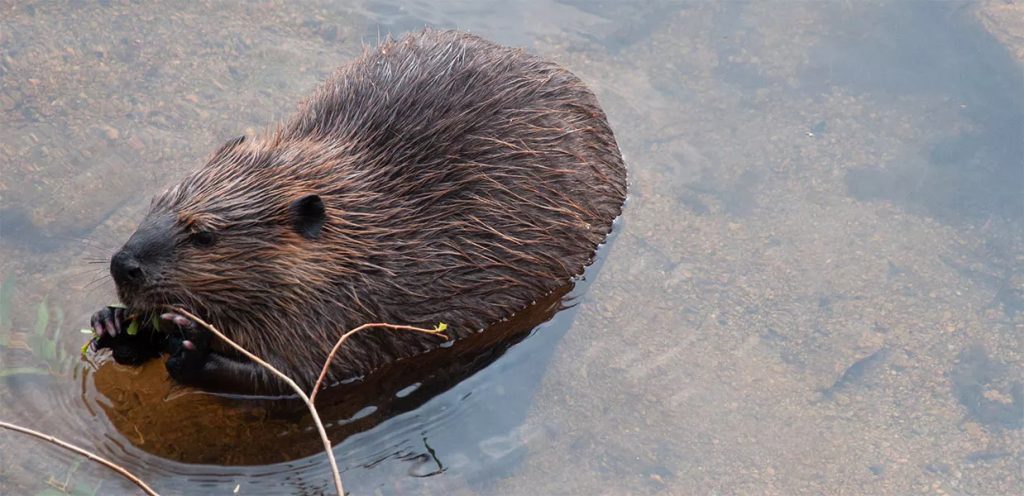
Jim Ecklund – National Park Service/Courtesy photo
At the Board of Grand County Commissioners June 10 meeting, water was an essential element of the agenda. Water quality manager Katherine Morris and water quality specialist Kayli Foulk are part of the county’s Water Protection Department.
Here is an update on several of their ongoing programs.
Kawuneeche Valley Restoration Collaborative
The Kawuneeche Valley Restoration Collaborative is a coalition that includes the National Park Service, Grand County and numerous other partners who are actively working to bring back the beavers to Kawuneeche Valley in Rocky Mountain National Park.
The valley was once a lush combination of riparian wetlands and wet meadows. However, human intervention changed this over time, chipping away at the beaver’s habitat.
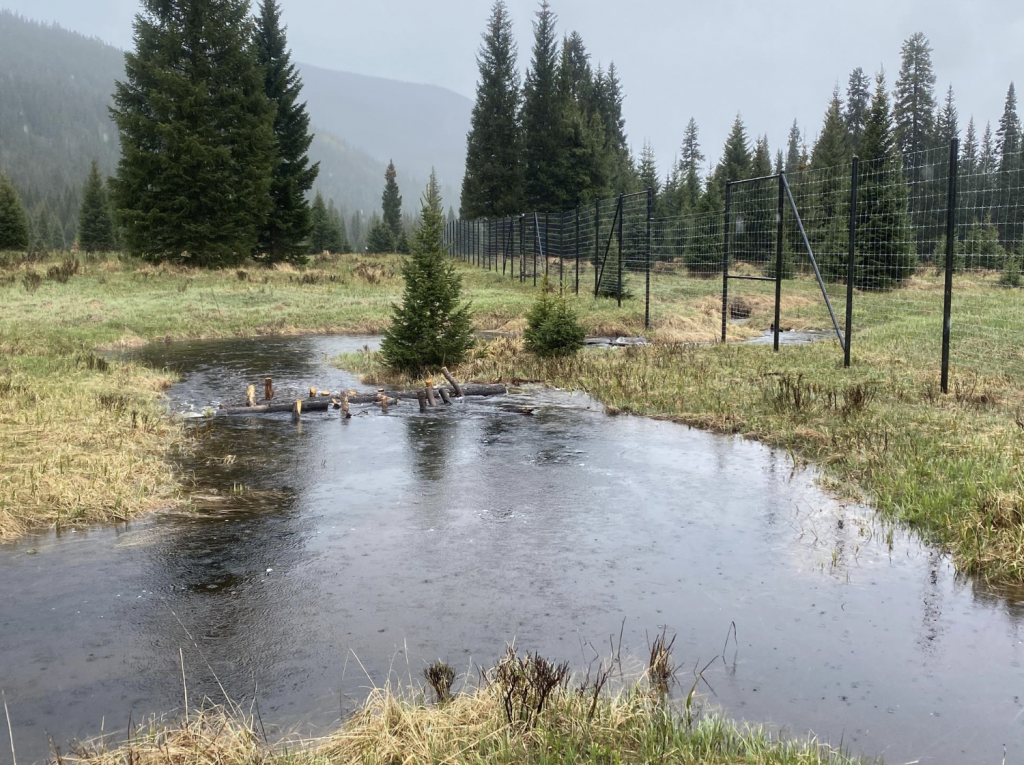
According to the water protection department, the restoration collaborative has recently competed its Beaver Creek Pilot Project. 29 in-stream structures and 31 acres of exclosure fencing were installed to protect the area around Beaver Creek.
Other features include: seven beaver dam analogs, 19 log structures and three simulated beaver structures.
While the collaborative is kickstarting work in the valley through building dams, installing fencing and more, the members are hopeful that beavers will come in and finish the job.
Drought Preparedness Committee
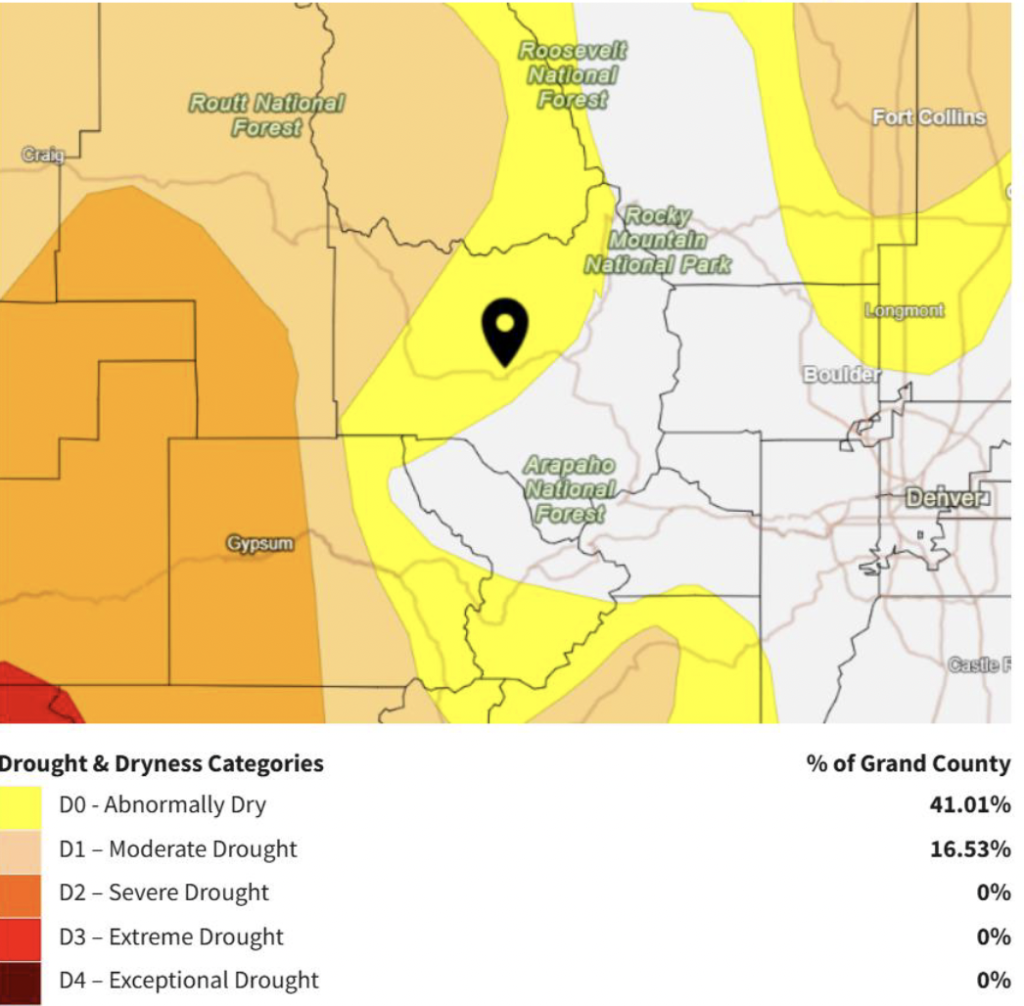
The Grand County Drought Preparedness Committee has declared the county is currently under Drought Watch. According to the U.S. Drought Monitor, 51% of Grand County is currently classified as “abnormally dry” and 4% as being in “moderate drought.”
Residents are encouraged to continue to use water efficiently, such as repairing leaky faucets, taking quick showers and recycling water. Residents should prepare for below-average stream and river flows this summer.
The drought committee includes stakeholders across the county who look at environmental indicators to determine droughts levels and give recommendations for water conservation. The committee held its first meeting April 28 and will continue to meet monthly through October.
“While recent precipitation has helped slow the progression of drought, it has not been enough to lift the county out of Drought Watch,” the committee stated. “As we move into June and July, drought conditions could intensify depending on the summer monsoonal pattern.”
Grand Lake Adaptive Management Plan
The Grand Lake Adaptive Management Plan works to restore and maintain the clarity of Grand Lake.
The waters of Grand Lake were negatively impacted by the Colorado-Big Thompson project in the 1940s. This ambitious project pumped water from the headwaters of the Colorado River to the Front Range. The water transfers through Grand Lake via a tunnel that runs under the Continental Divide to the Front Range. The water is stored in Shadow Mountain Lake and Lake Granby prior to release.
The water protection department described the work stakeholders have undertaken over the years to bring cleaner water back to the lake; for example, maintaining a proper temperature in Shadow Mountain Reservoir to prevent algae growth.
A number of stakeholders have signed a Memorandum of Understanding for the management plan: Grand County government, U.S. Bureau of Reclamation, Northern Water, Colorado River District and the Northwest Colorado Council of Governments.

Cyanobacteria monitoring program
The water protection department monitors cyanobacteria, a potentially toxic bloom known as “harmful algae bloom.” The toxin can be spotted as a green, red, gold, or turquoise coating over the water.
Staff members monitor for signs of cyanobacteria in the Three Lakes area, which includes Grand Lake, Shadow Mountain Reservoir and Lake Granby.
Cyanobacteria levels must be below Colorado Department of Public Health and the Environment recreation limits at all times.
Wildfire ready watersheds
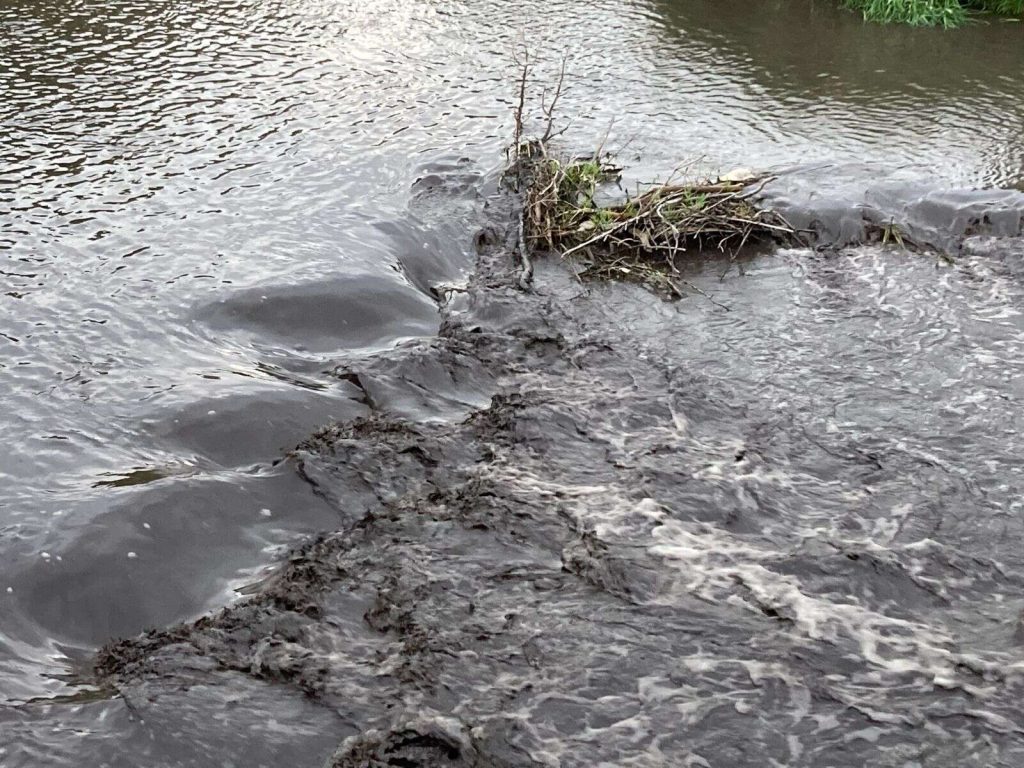
An important part of the water protection department’s mission is to have wildfire ready watersheds. Fires such as the East Troublesome Fire in 2020 can have catastrophic and long-lasting effects on watersheds, such as sediment runoff.
Staff are analyzing four post-fire hazards: hydrology, hydraulics, debris flow, fluvial hazard zones, sedimentation/gully erosion. Another major task to protect watersheds pre-disaster planning and mitigation activities to prevent future fire damage.
Upcoming merger
According to the water protection department, an upcoming merger between the East Grand Water Quality Board and Grand County Water Information Network will “strengthen water quality monitoring and education in Grand County.” Once the merger is complete, the Water Information Network will continue as the sole surviving entity.
The Water Quality Board is a nonprofit with the mission “to protect, restore, and monitor the headwaters of the Colorado River in the Fraser River Watershed.” This mission is very similar to the Water Information Network’s, which is to provide comprehensive water quality monitoring for lakes, streams and rivers in Grand County. The Network also provides educational programs for Grand County students.
Learn more about the Water Protection Department team’s projects and their collaborative work by visiting Co.Grand.Co.Us/408/Water-Protection.




Support Local Journalism
Support Local Journalism
The Sky-Hi News strives to deliver powerful stories that spark emotion and focus on the place we live.
Over the past year, contributions from readers like you helped to fund some of our most important reporting, including coverage of the East Troublesome Fire.
If you value local journalism, consider making a contribution to our newsroom in support of the work we do.