Winter Park’s 7-year expansion plan begins with a proposed downtown aerial transit system
Town manager Jon Peacock will bring design plans for landing area to town council as early as this month

Izzy Wagner Follow
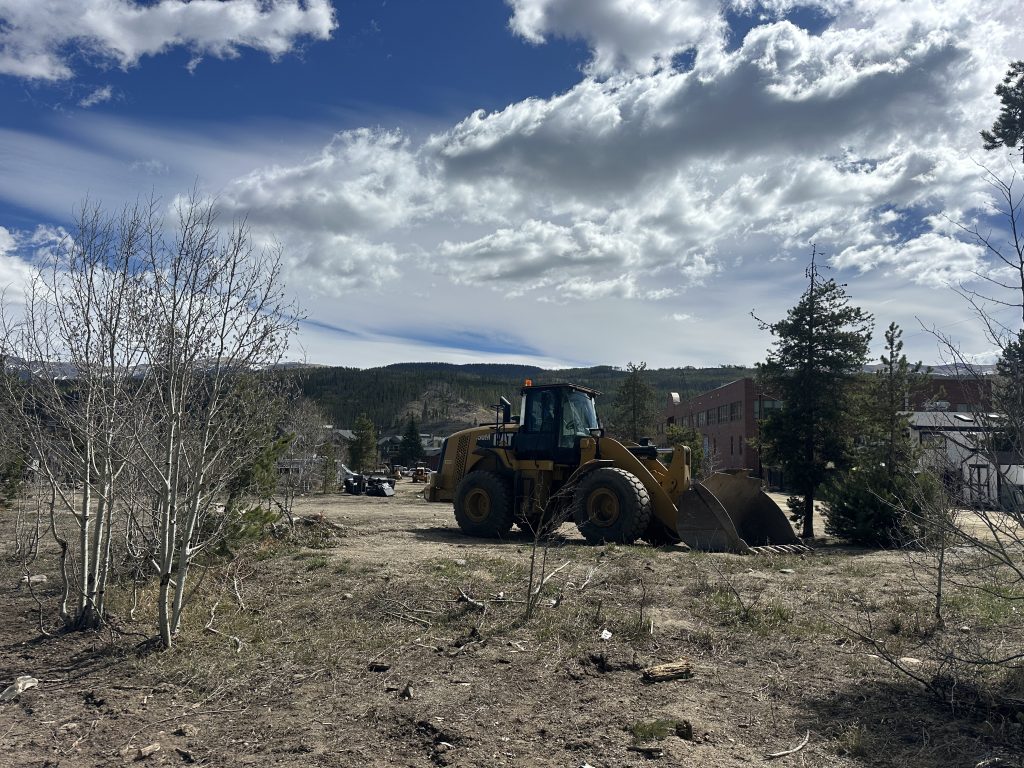
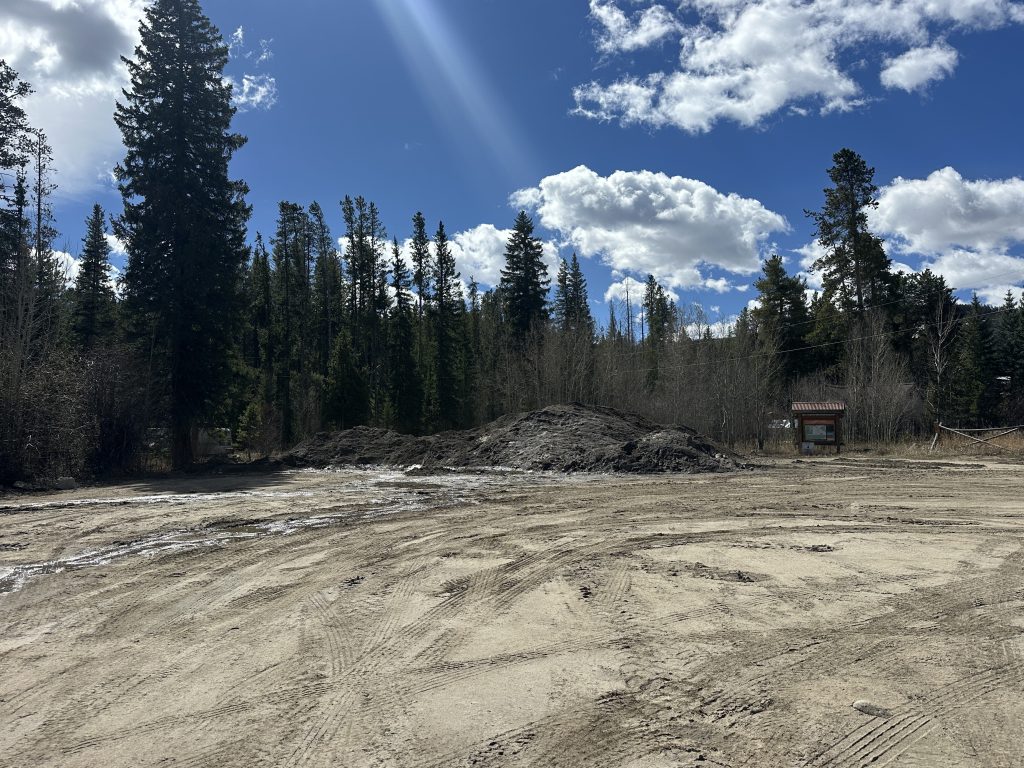
Editor’s note: Construction on the proposed landing area for the Winter Park Resort gondola has not started. This was originally misstated in a caption in this article.
Winter Park town staff are laying the foundation for an aerial gondola that could connect Winter Park Resort to a renovated downtown “entertainment corridor,” as part of a seven-year plan for the town’s next phase of major development.
Upon completion, the aerial transit system would move up to 3500 people at a time, from the ski train station at Winter Park Resort to the parking area near Cooper Creek Square and across from the town hall building at 50 Vasquez Road
According to Winter Park Town Manager Jon Peacock, the proposed gondola is merely the beginning, setting the stage for seven years of massive downtown development. Winter Park is expected to nearly double its housing units by 2033, with a projected increase of 400–500% in hotel rooms, according to Peacock.
“If you look at downtown right now, it’s pretty narrow and it runs right along (U.S. Highway) 40,” he said during an interview with Sky-Hi News. “What this gondola is going to do is form a new axis to create a pedestrian downtown entertainment corridor that will add depth and connect to the resort.”
The concept is still in the works, according to Peacock, but staff will be bringing design plans for the gondola’s landing area to town council meetings as early as this month.
Peacock shared his thoughts on Winter Park’s upcoming land development publicly at a recent Winter Park-Fraser Chamber luncheon event on March 16. During his introductory speech, he highlighted Winter Park as a growing rural mountain community that has maintained its local character despite
“There’s a lot that’s about to happen in this community,” he said at the event. “It’s going to be a period of significant change, and that’s going to be beneficial on a lot of levels, and we’re going to have to pay special attention, as a community, to manage that in order to maintain what’s special about this place.”
Current plans and timeline
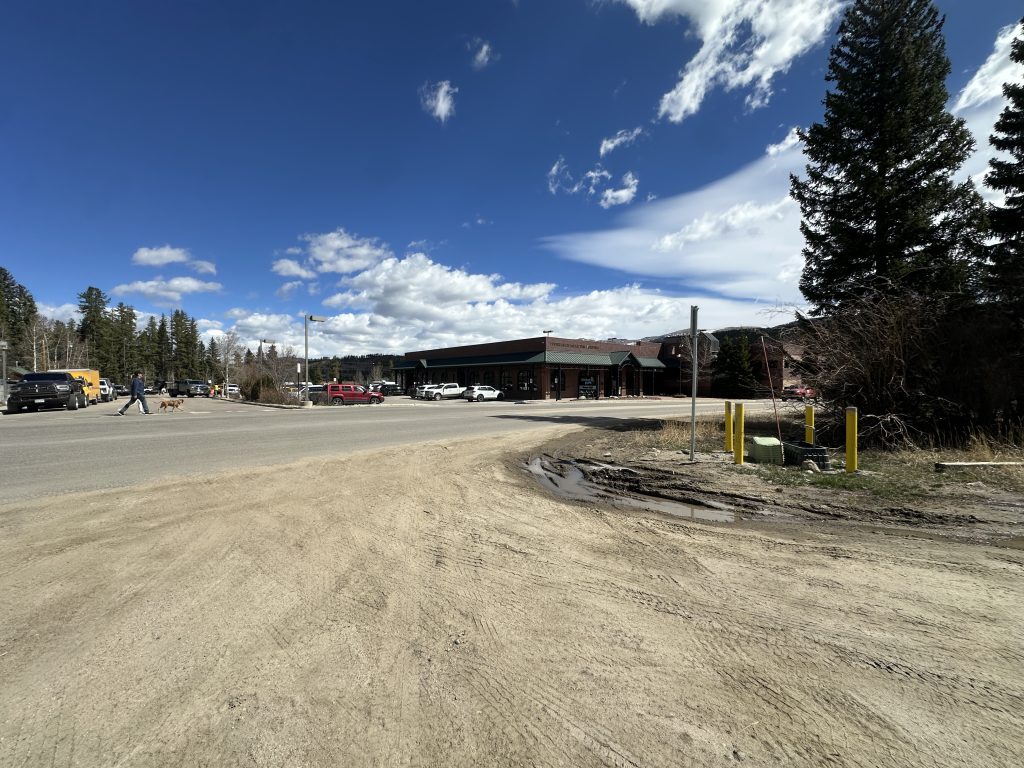
Before construction can begin, the town must finalize an easement for the property and hire a project engineer, he said. If approved, the expansion would add commercial property along an east-to-west corridor centered near Cooper Creek Square.
“We’re still working through some of the design concepts at the staff level, and at an upcoming design workshop we will present three options, get direction and bring concepts out for public comment,” he said during the interview.
The core transportation goal is to reduce the amount of driving visitors do once they arrive, Peacock said. The Winter Park Express or the future mountain rail will bring in visitors all the way from the Denver airport, but those who travel via car will be encouraged to park at lodging downtown and rely on the gondola to get to the resort. There will also be three hotels within walking distance from the downtown landing area, creating an even shorter travel distance for some guests, he said.
Tax increment financing, a tool under Colorado state law that helps catalyze private development, will fund the project’s public infrastructure. This type of funding allows the town to pay for public improvements with the increase in property tax revenue that comes after an area is redeveloped.
If a property’s redevelopment significantly increases its value, the additional tax collected above the original baseline can be used to finance infrastructure, such as roads, water lines and other horizontal systems, Peacock said. In this case, the town plans to use tax increment financing to help pay for the gondola and much of the infrastructure on both sides of where it will land.
That investment is intended to support the vertical development — hotels, condos and commercial space — and make the overall financing work over an estimated five-year absorption period as the town continues to coordinate specific schedules with developers, he said.
The future of downtown development
The gondola and surrounding development will significantly impact Winter Park’s downtown alignment and the future of town infrastructure, he noted.
“There’s going to be some big changes coming with how downtown is aligned, how that area is going to redevelop and what happens with the roadways,” Peacock said. “This is a big change in pace, because we’re talking about doubling the size of the town between now and 2033, and that’s a lot. It’s a pace that our community hasn’t seen, maybe ever.”
As the former county manager of Pitkin County, where popular ski areas Aspen and Snowmass Village are located, Peacock saw the consequences rapid development had on those communities: prices skyrocketed and local character was diminished.
“Nobody here wants to be Aspen,” he said, but he believes Winter Park will go about the process differently.
One reason for that, he said, is that much of the visitor traffic originates from Front Range communities, rather than destination travelers. Another is the strong local character that is still very much alive in Grand County.
“There’s this feeling of authenticity that people are trying to keep here that has to do with the fact that this community still serves folks who are working for a living,” he said.
However, he acknowledged that it is the responsibility of town and resort officials to strategically manage the mega-development’s implementation, ensuring that working individuals can continue to afford to live and thrive amidst the increasing foot traffic and economic growth.
“We need to be strategic about being ahead of the curve on certain things,” he said. “For example, we have a deed-restricted program for housing. Maybe we should do the same to make sure commercial properties can still serve folks like us.”
Overall, Peacock said, he’s optimistic. For now, he hopes the gondola will serve as a mobility solution and structuring device for downtown redevelopment and community identity.





Support Local Journalism
Support Local Journalism
The Sky-Hi News strives to deliver powerful stories that spark emotion and focus on the place we live.
Over the past year, contributions from readers like you helped to fund some of our most important reporting, including coverage of the East Troublesome Fire.
If you value local journalism, consider making a contribution to our newsroom in support of the work we do.