Colorado public land advocates say Interior Department review of highly protective wilderness policies ‘is laying the groundwork for an attack’
The federal review is seeking public input on wilderness policies that apply to places like Rocky Mountain National Park and a number of Colorado 14ers

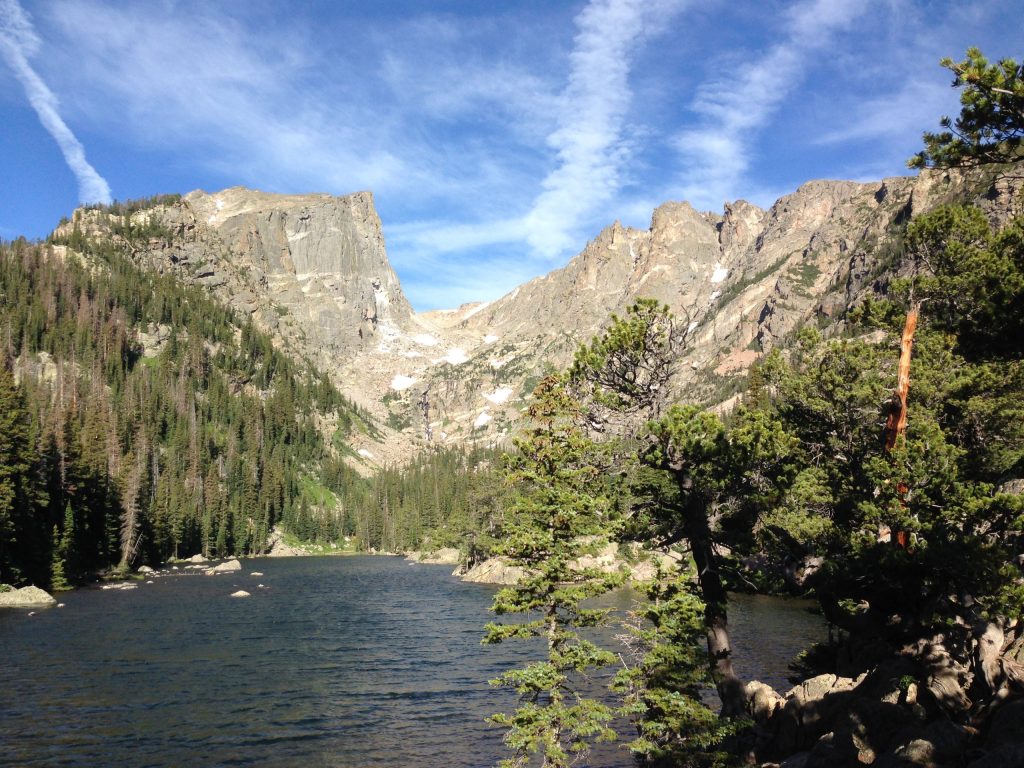
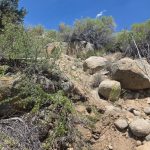
Tim Devine/Wilderness Connect
Public land advocates are speaking out after the U.S. Department of Interior launched a broad review of its policies that protect remote and undeveloped places recognized under federal law as “wilderness.”
The Bureau of Land Management, National Park Service and U.S. Fish and Wildlife Service all began soliciting public feedback on wilderness-related policies earlier this month, according to the federal register. Wilderness areas, which are designated by Congress, receive among the highest levels of environmental protection under federal law and are free from motorized vehicles, resource extraction and human development.
In Colorado, the policies under review apply to more than one million acres of public land, including beloved backcountry areas. The Rocky Mountain National Park Wilderness, for example, comprises about 95% of the park and is governed by the Interior Director’s Order on Wilderness Stewardship, one of the documents that is under review.
The Interior Department has not proposed any specific changes to wilderness policies. A June 10 news release from the department states that the 60-day public comment periods will help determine whether policies should be “updated or clarified to improve consistency, increase transparency and ensure public lands continue to be managed effectively in accordance with applicable laws.”
But the review has raised red flags for public land advocacy groups in Colorado and across the country that see the effort as the latest attempt by President Donald Trump’s administration to roll back environmental protections.
Richard Mylott, the communications manager for the Carbondale-based Wilderness Workshop, in an email described the review as “a thinly veiled corporate giveaway and far-reaching poison pill that would change how we experience the best and rarest parts of our state’s natural heritage.”
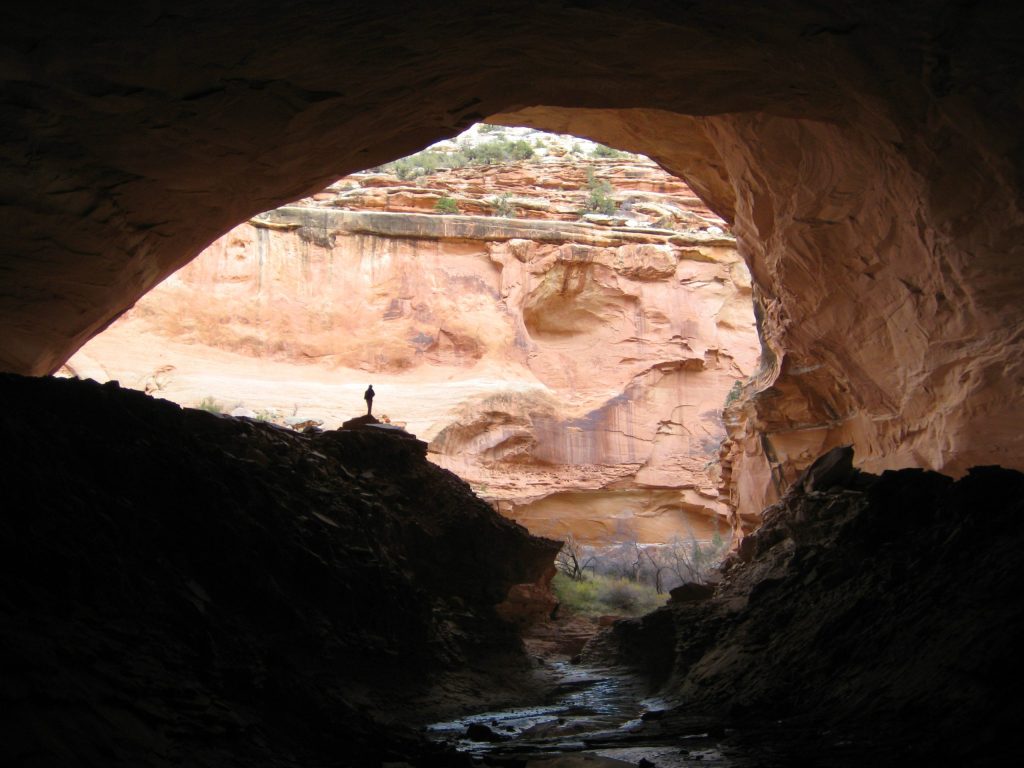
The wilderness-related documents subject to the review cover topics including oil and drilling leasing policies, grazing regulations, protection of paleontological resources and management of wildlife. The Wilderness Act of 1964 defines wilderness as “an area where the earth and its community of life are untrammeled by man, where man himself is a visitor who does not remain.”
The Interior Department and Bureau of Land Management did not respond to questions emailed to their press offices on Wednesday about the purpose of the review and whether there were specific changes to wilderness-related policies federal officials would like to see.
“Over the last 16 months, the administration has waged a war on wildlands that targets these places, and we have every reason to believe that this review is part of it,” said Abby Tinsley, the vice president of conservation programs at the national nonprofit The Wilderness Society. “Their goal is to make it easier to push reckless development, drilling, mining and unchecked motorized activity on the tiny sliver of our wildest public lands that remains.”
During Trump’s second term, his administration has sought to end federal land protections, including the “public lands rule” that put conservation on equal footing with other uses of federally-managed land, the “roadless rule” that protects certain public lands from road development and parts of the National Environmental Policy Act.
The administration has also gutted public land management agencies, including those at the Interior Department, through mass firings and early retirement offerings.
While facing scrutiny for his ties to the oil and gas industry, Interior Secretary Doug Burgum has led the department with a policy of “energy dominance” that has prioritized expanding fossil fuel and mineral extraction. Burgum has referred to the nation’s public lands as “assets” on “America’s balance sheet” that should be developed to grow the economy and help pay down the national debt. He has also advocated for selling “underutilized” federal land.
“The Trump administration is laying the groundwork for an attack on America’s wilderness with these reviews,” said Kate Groetzinger, the communication director for the Denver-based Center for Western Priorities. “While these notices themselves don’t tell us much about the administration’s intentions, we know President Trump and Secretary Burgum aren’t interested in increasing protections for America’s public lands.”
At the Bureau of Land Management, the review covers policies not only for designated wilderness areas but also for “wilderness study areas” and places with “wilderness characteristics.”
Wilderness study areas are places that have been identified for potential designation as wilderness areas but which Congress has not officially adopted as wilderness areas. Under existing policies, these lands are to be managed, so their suitability for future designation as wilderness is not impaired.
In Colorado, the Bureau of Land Management oversees five designated wilderness areas — the Black Ridge Canyons, Dominguez Canyon, Gunnison Gorge, Powderhorn and Uncompahgre wildernesses — and more than 50 wilderness study areas. Wilderness study areas in the state include popular areas like Castle Peak and Bull Gulch in Eagle County, as well as 14ers like Handies Peak, Red Cloud Peak and Sunshine Peak.
The U.S. Forest Service also manages wilderness areas in Colorado, but has not proposed a similar policy review. The New York Times, however, has reported that the U.S. Department of Agriculture is preparing to release a secretarial memorandum that would open the door for development and motorized vehicles on lands that the Forest Service manages as “recommended wilderness.”
“These are high-stakes attacks that threaten the very core of Colorado’s identity,” Mylott said. “They would degrade the best of our remaining wild landscapes and harm communities and recreational economies across the state.”




Support Local Journalism
Support Local Journalism
The Sky-Hi News strives to deliver powerful stories that spark emotion and focus on the place we live.
Over the past year, contributions from readers like you helped to fund some of our most important reporting, including coverage of the East Troublesome Fire.
If you value local journalism, consider making a contribution to our newsroom in support of the work we do.