Closing service gaps: Though Colorado rural resort towns have fewer facilities, the community perseveres
Summit Daily and Sky Hi News
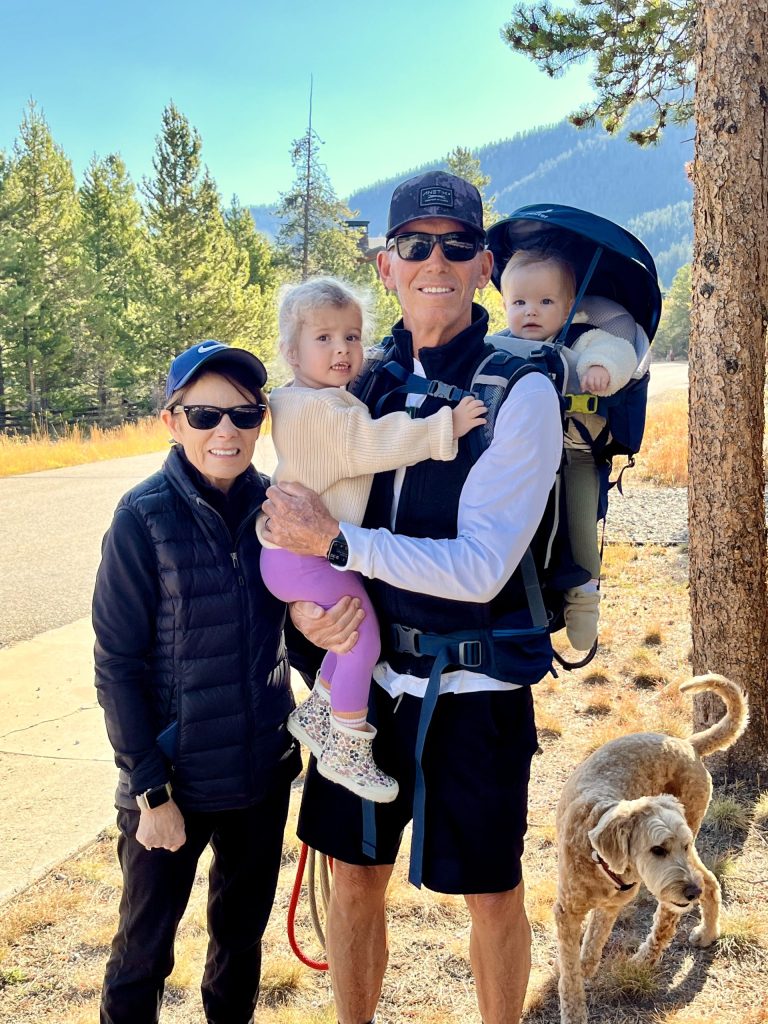
For the first time in over 40 years, Jim Dauw found himself living alone. The Dillon resident had to move his wife, JoAnn, to a memory care facility in Denver in November 2025.
When JoAnn was diagnosed with early-onset advanced Alzheimer’s disease, Jim said he learned quickly that Summit County did not have any assisted living or memory care facilities, and he became her full-time caregiver.
“I acknowledge that my wife of 43 years carried the load with three children,” Jim said. “I just feel that, ‘OK, now it’s my turn to care for her.'”
The lack of memory care facilities in Summit and Grand counties represents one of the gaps in the continuum of care that aging adults in rural mountain communities often face. Jim said when he and JoAnn moved to Summit, he did not realize the area lacked memory and other forms of long-term care.
Jim cared for JoAnn for about two years before she started sundowning, or having increased confusion late in the day. She would wake up in the middle of the night and not want to go back to sleep, which Jim said exhausted him. He told a medical professional about it, and they suggested JoAnn go to a memory care facility.
“I’m like, ‘Is she really ready for that?'” Jim said. “(The clinician) said, ‘Oh yeah, she’s been ready.'”
Limited long-term care housing is effective but doesn’t always meet demand
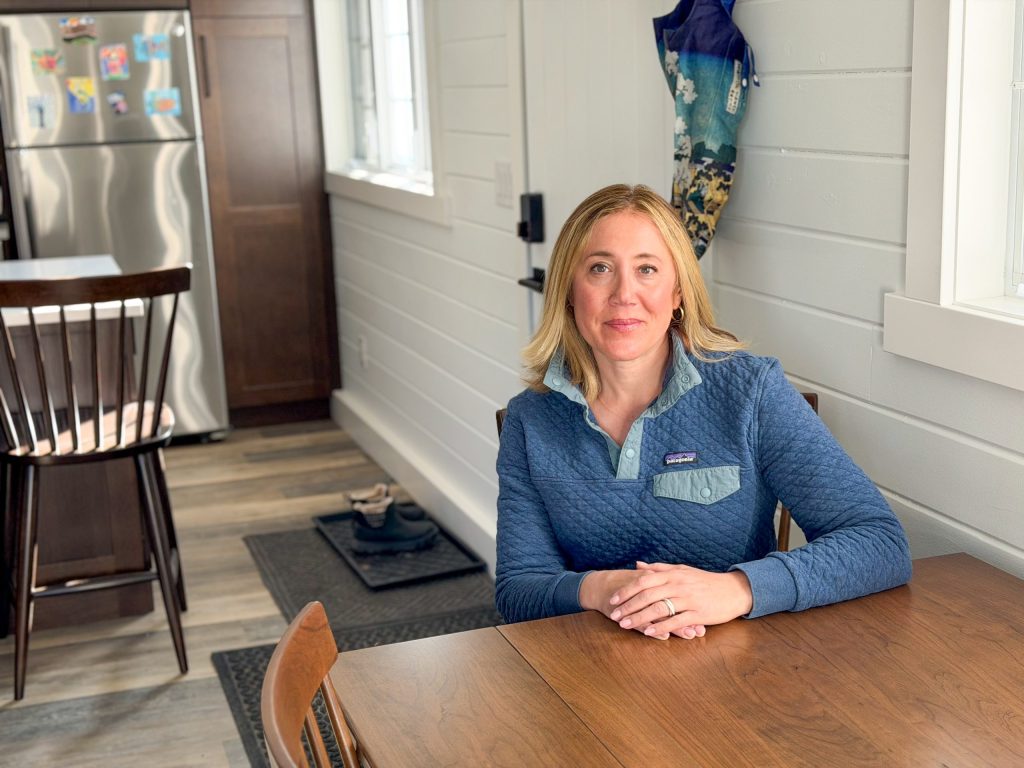
Neither Grand nor Summit counties have memory care facilities, but each has some form of long-term care. Grand has Cliffview, an assisted living facility in Kremmling, as well as senior-specific housing in Kremmling and Granby.
Summit County does not have any long-term care facilities, but CommonSpirit’s Bristlecone program offers in-home hospice as well as in-home medical care. The medical care ranges from home health aides — who help with daily tasks, much like workers at assisted living facilities do — to skilled nursing.
- Feb. 27 | Staying in Grand: Experts highlight unique challenges facing older adults in mountain towns
- March 6 | Golden wisdom: Physical activity, social engagement and finances remain key to longevity
- March 13 | Closing service gaps: Though rural resort towns have fewer facilities, the community perseveres
- March 20 | Community solutions: People of all ages work to improve outcomes and quality of life for seniors
- Click here to learn more about the Longevity Project and get tickets to our free event at March 31 at Sun Outdoors in Granby, featuring a panel discussion with experts and an audience Q&A.
Lenka’s Loving Care operates in Summit County as well and provides in-home, nonmedical assistance with daily tasks and any activities the clients want to do, like going skiing, hiking or grocery shopping.
With no long-term care facility in Summit County, Jenny Stafford quit her job in philanthropy management in 2022 to become a full-time caretaker for her mother-in-law, Luisa Stafford. Luisa had recovered from a lung cancer diagnosis two years prior, but the cancer returned in 2022.
The Staffords decided to keep Luisa in her Breckenridge home to honor her wishes.
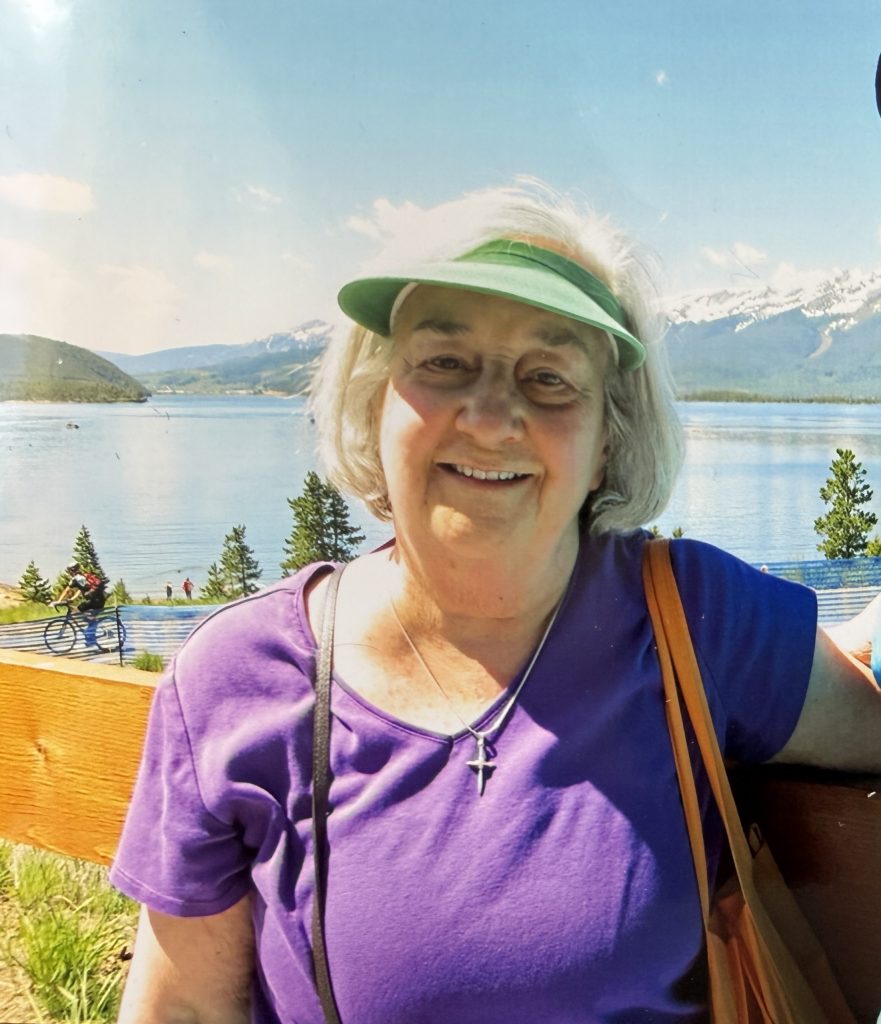
“She did not want to leave Summit,” Jenny said. “Her grandchildren were here, her son, myself, her church … and her close friends were all here. She didn’t want to be in a hospital or hospice by herself and die.”
The family hired help from Bristlecone and Lenka’s Loving Care to supplement care. Jenny said Luisa had a fixed income and was “not a wealthy person,” so the family spent much of her of savings, around $100,000, on her care. Luisa’s Medicare plan covered the Bristlecone services, but the family paid for Lenka’s Loving Care services out of pocket.
Jenny spoke highly of the services both groups provided Luisa, but she said Bristlecone only had the capacity to visit once or twice a week. She said she provided around 90% of Luisa’s care but did not understand how intense it would be going in.
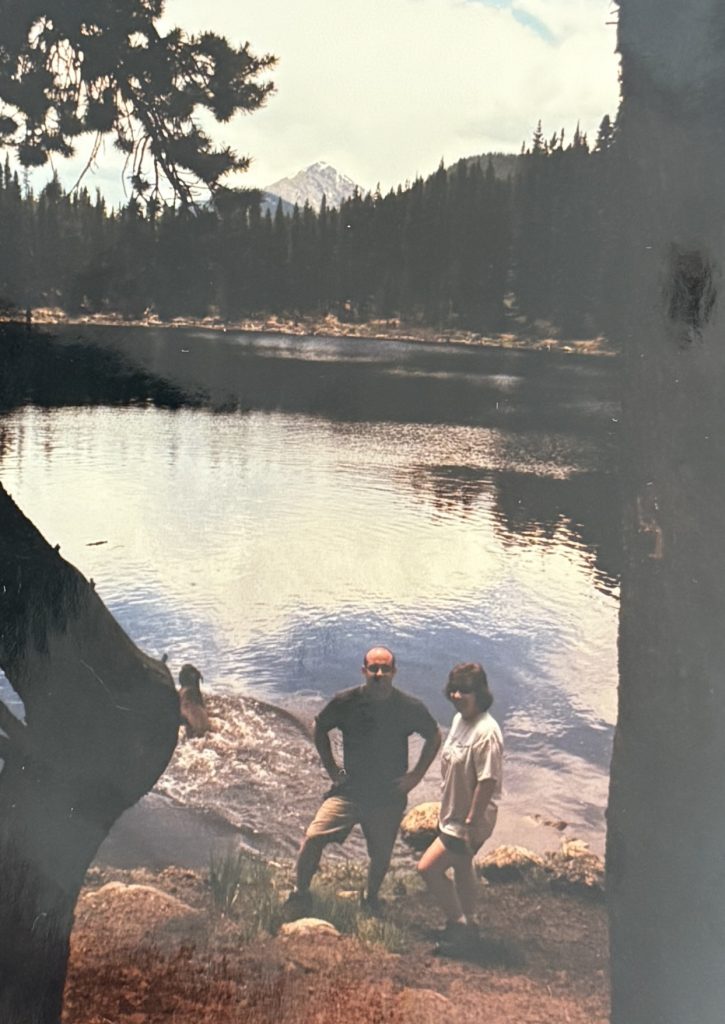
“I don’t think we would have done it differently,” Jenny said. “But it was — it was incredibly intense and very difficult.”
If the family lived on the Front Range, Jenny said, they likely would have had options for in-hospital hospice and more options for in-home care that Medicare would have covered. She also said Luisa would have had more access to skilled nursing care if she had decided to move to a long-term care facility when she got her second diagnosis.
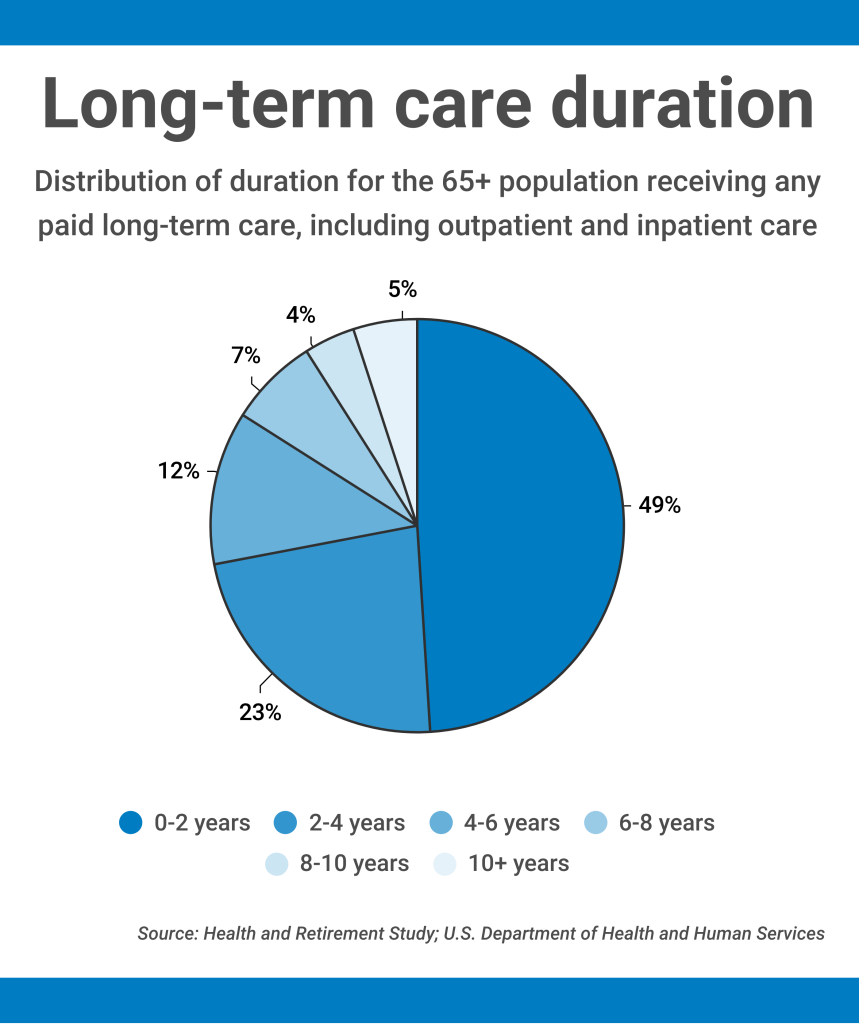
Jamie Geyer, Bristlecone’s clinical manager, said its ownership changed in October 2025, with the national-level CommonSpirit Health at Home division taking over from the hospital system’s mountain region.
“It gives us more of a focus of care specific to home health and all of the latest and greatest technologies and resources that go along with that,” Geyer said.
Bristlecone sees a high level of demand, Geyer said, especially for its hospice services, which she said shut down for a few years before restarting in May 2025. The organization services Summit, Lake and Park counties and is the only home health and hospice provider opearting in those locations. Geyer said they are able to keep up with demand.
“There’s not anyone where we’ve had to turn away because we don’t have the capacity,” Geyer said. “Referrals that get denied, whether home health or hospice, are because of things like homebound status or insurance qualifications or those kinds of things.”
Some demand outpaces providers’ capacity
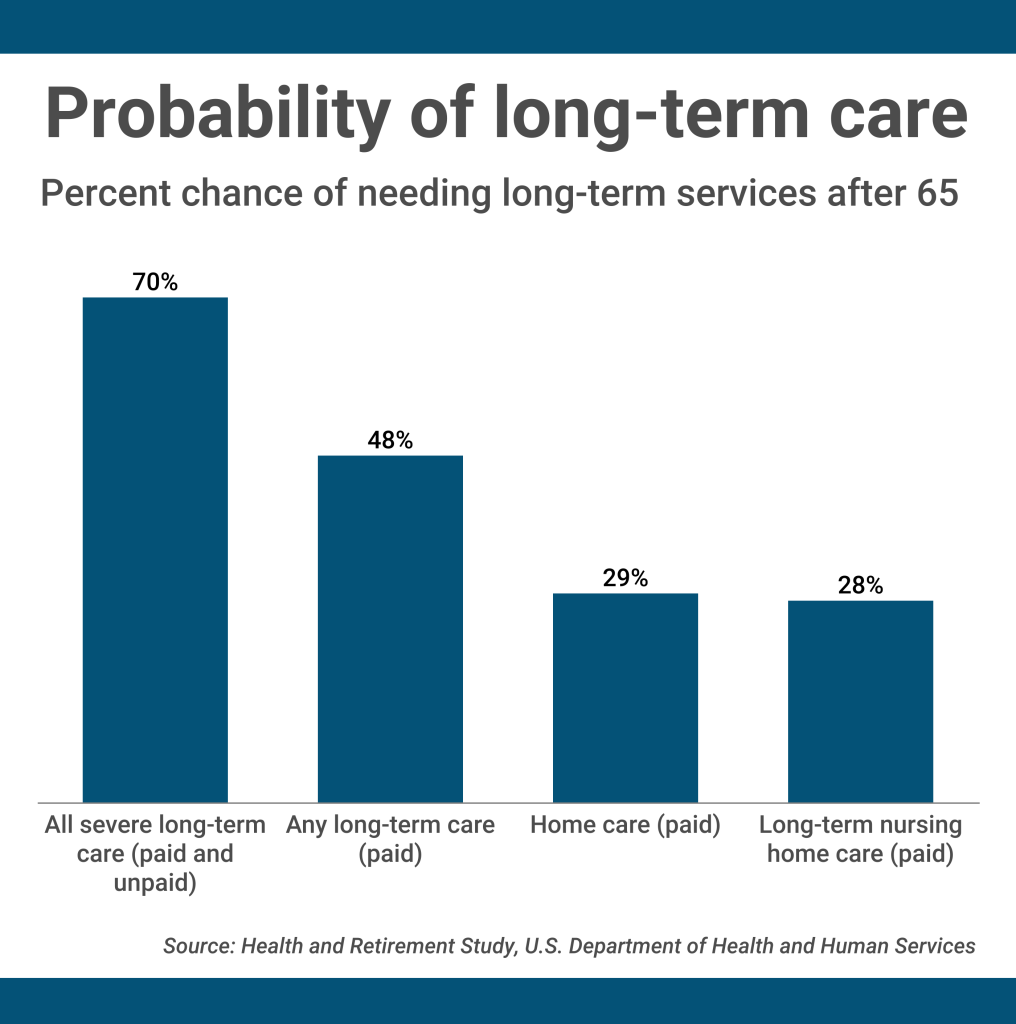
Namaste Health provides in-home hospice in Grand County. Tina Merrick, a registered nurse and case manager with Namaste, said she and one part-time nurse also provided home health services until about a year ago.
“We have had it up and down a few times,” Merrick said about home health services. “Whenever we bring up home health, it gets busy super fast. I just don’t have the ability to run both sets of patients. But does the county need it? Absolutely.”
Lenka Lesmerises, owner of Lenka’s Loving Care, similarly said her company is able to meet the demand of the community. She said that sometimes requires holding hiring campaigns to increase her staff of caregivers, but she does not have to turn clients away.
Potential clients can be limited by cost, though, as Lesmerises said her company cannot accept Medicare or Medicaid. She said the reimbursement rates from those programs are so low that if the business did accept them, it would not be able to hire caregivers in an expensive rural resort community like Summit County.
“All of our services are either private pay or long-term insurance,” Lesmerises said. “I feel that that part is much more limiting, if people can afford it or not.”
While Summit County offers services but lacks facilities, things are different in Grand County. The Grand County Housing Authority owns two senior living properties — Silver Spruce in Kremmling and Grand Living Senior Homes in Granby. The former consists of 20 one-bedroom apartments, while the latter is made up of 24 single-bedroom homes. Both have significant waitlists, according to Grand County Housing Authority Director Sheena Darland.
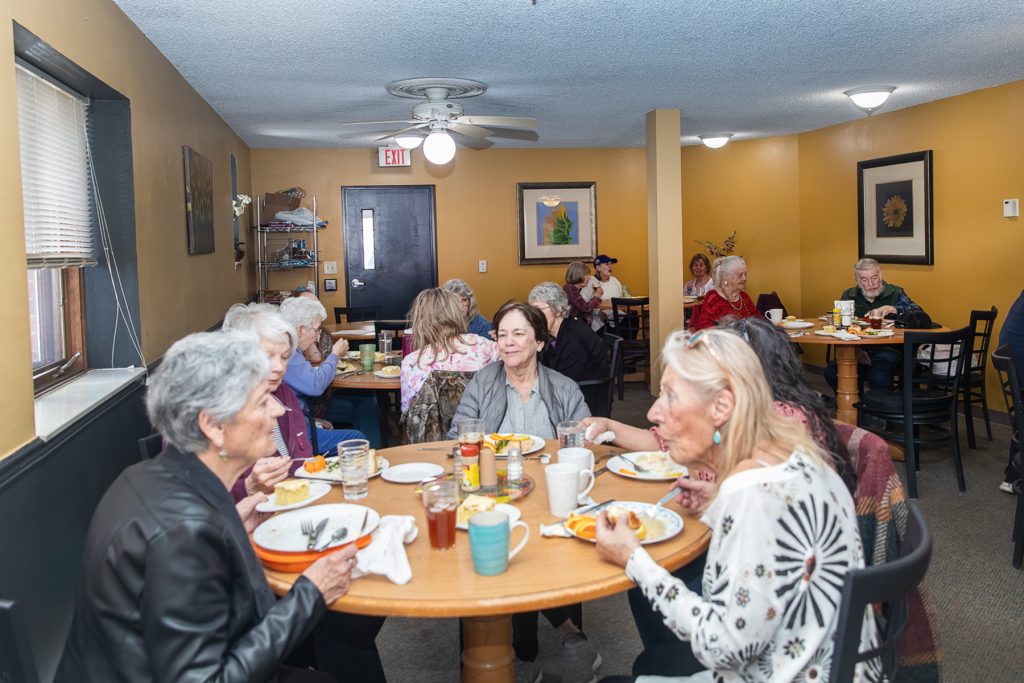
Darland said the waitlist at Silver Spruce, which staff culls twice a year, is about three years long.
“We have great options,” Darland said. “We just don’t have enough of it.”
Middle Park Health runs Cliffview, an assisted living center next to Silver Spruce in Kremmling. Jason Cleckler, CEO of Middle Park Health, said Cliffview has 24 units and a waitlist. The hospital system also has an extended care program, which provides skilled nursing to patients who live long term in the hospital.
“Some of them live here for years, and some live here as long as they can because their families are here,” said Tiffany Freitag, Middle Park Health director of business development. “We’ve tried to put a lot of those (long-term care) things in place because people really do want to age here.”

Counties have vast, but not all-encompassing, medical services
John Williams and his wife, Laurie, lived in Summit County for 25 years before moving to Denver in July 2025. The couple, both in their early 70s, made the move because they wanted to have a chance to establish themselves in a new community while they are still in good health — rather than risk being forced to move out of Summit County later in life.
“We miss Summit County every day. And every day, we know this was the right decision,” John said. “We don’t know what the right answer is for (other) people. Every situation is different.”
While Denver offers a wider range of medical services, John said, he and his wife are not in need of anything they could not have received in Summit, so the difference in medical care did not force them to move.
“We weren’t like, ‘Oh, we’ve got to get down the hill to get the better services,'” John said. “We have plenty of services up there for where we are in life. But later on, yeah, most of them are down here.”

Bob Brocker, the founder of AgeWise Colorado, said it is common for rural health networks to not have as many specialty services as those in larger metropolitan regions. That is true for Grand and Summit counties, which are the types of places Dr. Rebecca Smiley, the chief medical officer of CommonSpirit St. Anthony Summit, said do not have the “population base or the disease base” to support every possible specialty.
That reality means aging adults sometimes have to move away from Grand and Summit to receive specialty care. However, Middle Park Health and CommonSpirit St. Anthony Summit, the counties’ major local hospital systems, have expanded specialty care services in recent years.
Some specialties offered at St. Anthony Summit are often used by older adults, Smiley said, like cardiology, oncology, orthopedics and endocrinology. The hospital also has part-time providers for urology, neurology, ophthalmology and gastroenterology.
“Being able to get that care here in-county and not drive back and forth is a way that you can age at home, even if your mobility and your transportation capacity declines,” Smiley said.
Dr. Jason Stuerman, Middle Park Health’s chief medical officer, said the hospital’s specialty care includes orthopedic surgery, gastroenterology, cardiology, obstetrics and gynecology, some of which are part-time. He also said the hospital may soon have a podiatrist on a part-time basis.
“I’m sure I’m missing a couple,” Stuerman added.

Middle Park Health and CommonSpirit have also both expanded their primary care offerings in recent years. Smiley said CommonSpirit has added more physicians to its clinics, and Cleckler said Middle Park Health has primary care offices in almost every Grand County town as well as one in Jackson County.
Primary care, Smiley said, helps prevent illnesses and injuries because primary care physicians giving physical exams and recording vitals can detect issues before they become serious.
In Summit County, Elevated Community Health also provides primary care. Zach Ryan, the provider’s community engagement manager, said there is “room for growth” in the number of aging adults Elevated Community Health serves. Because it started as a free clinic in 1993, Ryan said many people with insurance do not know they can visit. He said they can and should, as serving patients with insurance helps Elevated Community Health financially, letting it serve more community members who cannot pay for health care.
Elevated Community Health also offers dental care and behavioral health services, Ryan said.
Another provider with a presence in Summit County, Vail Health, offers a wide range of services at its Dillon Health Center. Sally Welsh, the director of public relations, wrote in an email that the center offers gastrointestinal care, orthopaedic and outpatient surgery, physical therapy, cancer care and behavioral health care, among other things.
Respite care, other services help provide relief
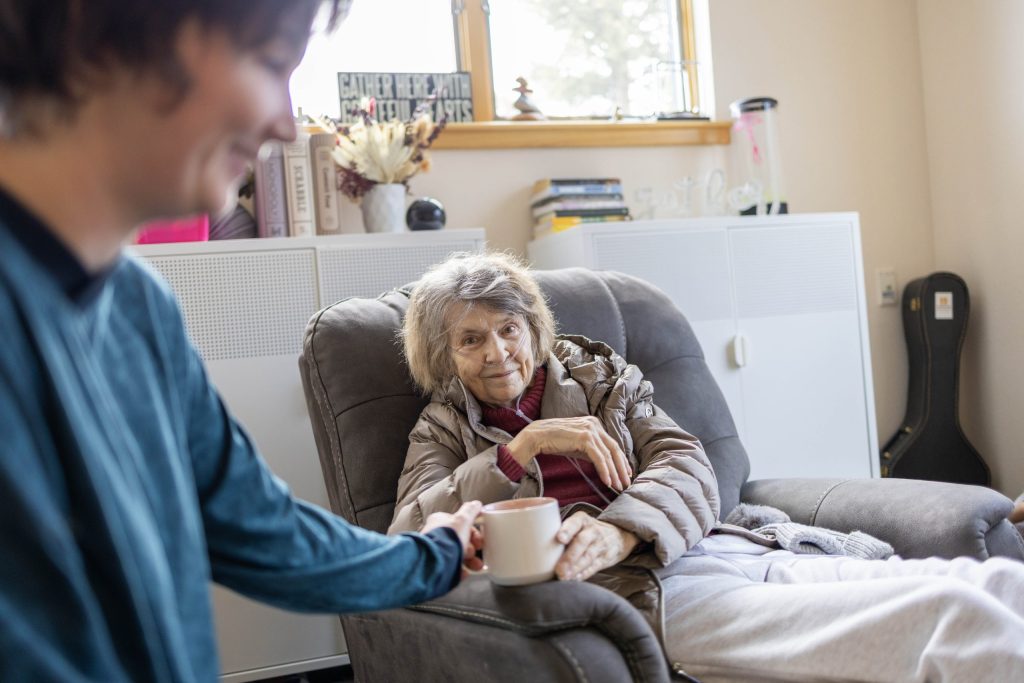
Jim Dauw first learned of the Timberline Adult Day Program while caring for his wife, JoAnn. Timberline offers respite services for caregivers, meaning it takes care of adult clients with disabilities throughout the day, allowing full-time caregivers a break from their duties.
JoAnn went to Timberline five days a week for about two years, Jim said, before her Alzheimer’s disease progressed to the point of needing to move to a memory care facility in Denver. Jim said JoAnn loved to socialize at Timberline and thrived in its environment.
“Saturdays and Sundays, she wanted to go to Timberline,” Jim said. “I could see the change from having just me as a caregiver or a hired individual caregiver.”
Timberline Executive Director Tracie Fletcher said the nonprofit often takes its participants on day trips, including skiing, hiking, visiting museums and more. Timberline’s services cost $85 per day, but it has scholarships to help cover costs for those who cannot afford it.
Fletcher said Timberline also keeps up with the demand it sees from Summit and surrounding counties, including Grand. She highlighted the impact respite care can have for caregivers’ mental health.
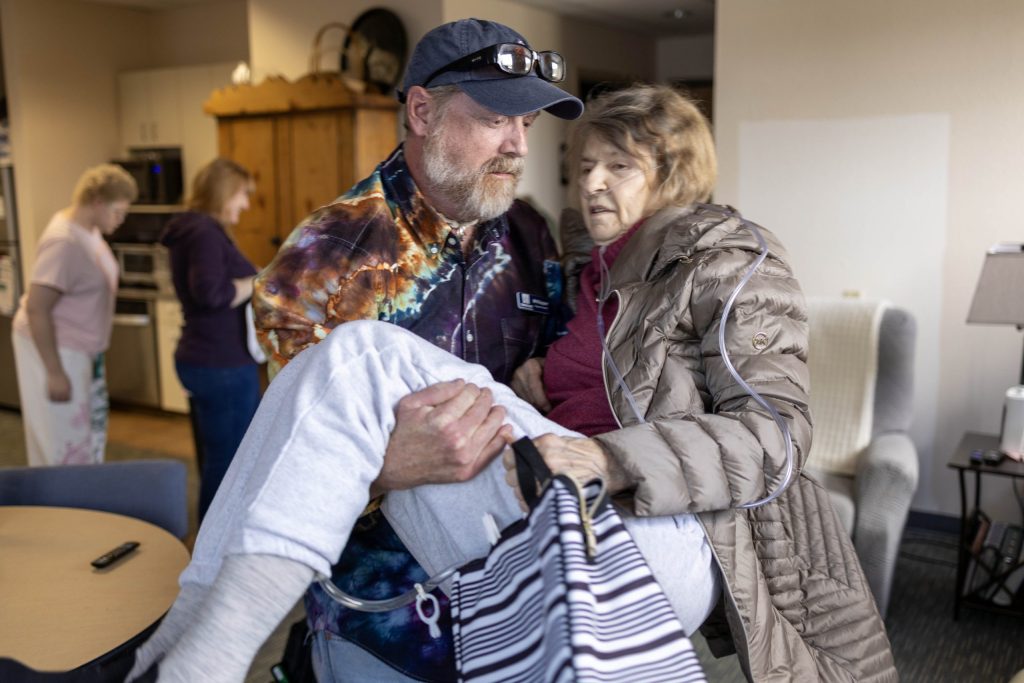
“Oftentimes, what we see, too, is that folks would be like, ‘No, I’ve got it,'” Fletcher said. “I don’t think they realize how much that break … can be vitally important to their well being.”
Jim Dauw and Jenny Stafford echoed the sentiment that caregiving can be difficult — more than one might expect when going into it. The Summit County Community and Senior Center offers a caregiver support group to help caregivers deal with the mental health impacts.
In Grand County, Mountain Family Center runs Grand Seniors, which provides services like transportation, nutrition assistance, events for social interaction, free meals, an “equipment closet” with medical and mobility equipment people can borrow, a book and puzzle library, and technology assistance for older adults who need help with their phone, computer, printer or anything else.
Katie Stuvel, the health and senior resource specialist at Mountain Family Center, wrote in an email that one of Grand Seniors’ most important programs is resource navigation. It provides aging adults with information about local resources for things like transportation and housing as well as help navigating the medical system.
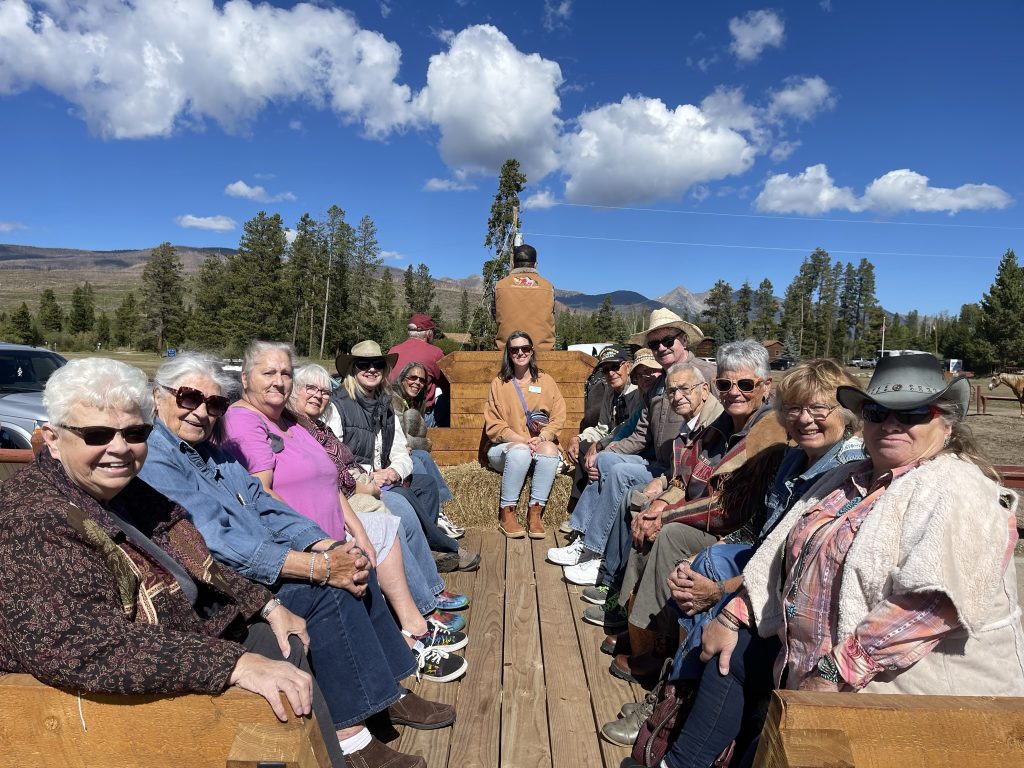
Vintage, the area agency on aging that covers Summit, Grand and four other counties, helps fund programs provided by the Summit County Community and Senior Center and Mountain Family Center.
Director Erin Fisher said Vintage also has Medicare counseling, a long-term care ombudsman, other educational programs and voucher programs. The vouchers can provide funding for nonprofessional caregivers, transportation and more. She said the vouchers are designed to be flexible, allowing people to use them in a “way that makes sense.”
Though Summit and Grand counties lack the level of care found in metropolitan areas, Jim Dauw, who lives in Dillon and often visits his wife in Denver, said he’s been impressed by how resilient and knowledgeable the community has been.
“I’m meeting people in the community that have been here much longer,” Dauw said. “I’ve been in Dillon for a little over five years, but I’m meeting people that have been here for a long time and provide really good advice and support. … I’ve got a really good support network.”
He’s remained active in trying to improve services for people hoping to age in place in Colorado’s mountains, including through his role on the board of directors for Timberline. He has even shared his experience with others at the Summit County Community and Senior Center to raise awareness on challenges facing the community and how to navigate aging, especially in Colorado’s mountains.
Dauw’s advice is to communicate with friends, family and providers and to ask for help, because in doing so, he found many ways to support his wife and himself before and after she had to move into a memory care facility on the Front Range.
“No. 1, I believe it takes a village,” he said. “We’re in this together.”





Support Local Journalism
Support Local Journalism
The Sky-Hi News strives to deliver powerful stories that spark emotion and focus on the place we live.
Over the past year, contributions from readers like you helped to fund some of our most important reporting, including coverage of the East Troublesome Fire.
If you value local journalism, consider making a contribution to our newsroom in support of the work we do.