Vacant homes could be taxed in Colorado to pay for affordable housing under lawmakers’ proposal
Any tax measure would still need to be approved by local voters, and short-term rental properties would be excluded

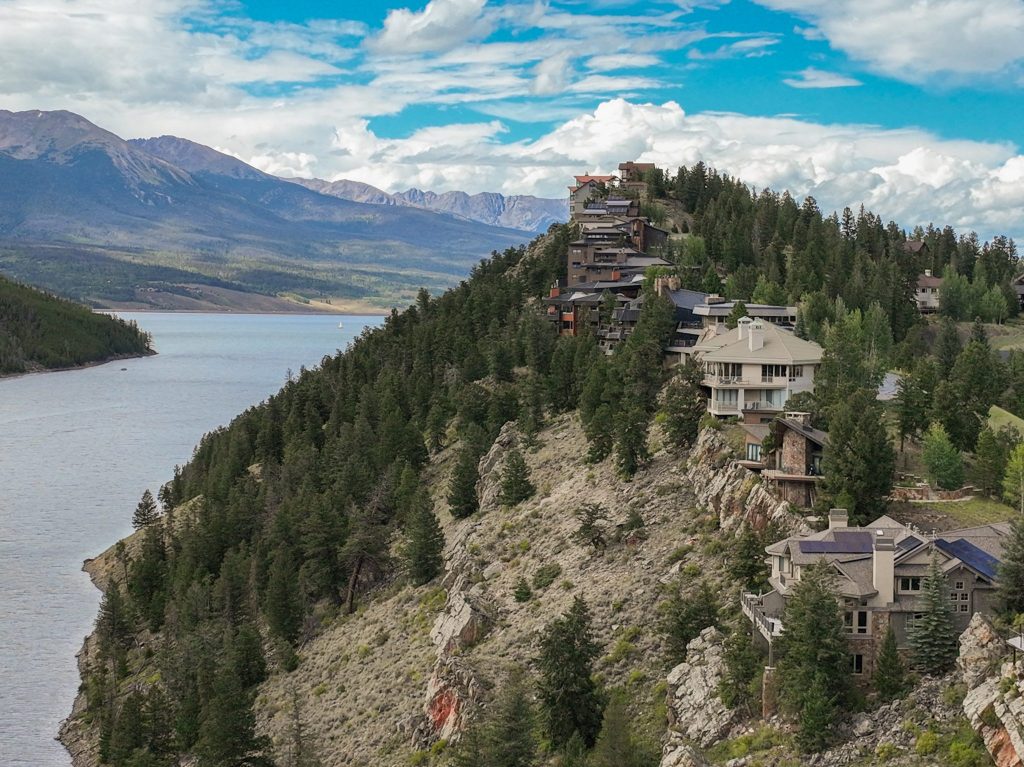
Tripp Fay/For the Summit Daily News
Homes that sit empty throughout the year could be taxed by local governments in Colorado to help pay for affordable housing, under a new bill being proposed by state lawmakers.
House Bill 36 would allow county, city and town governments to ask voters whether to impose an excise or property tax — or both — on homes that the government deems vacant. The measure is sponsored by Reps. Elizabeth Velasco, D-Glenwood Springs, and Brianna Titone, D-Arvada.
The idea has been in the works for some time. Local governments had been pushing for a vacancy tax bill to be introduced during last year’s legislative session, but no legislation ever came forward.
If passed by lawmakers this year, it would be a first-of-its-kind measure in the state for local governments.
Some ski towns have attempted to implement vacancy taxes before, but none have been successful. Crested Butte voters in 2021 rejected a vacancy tax at the ballot box, while the Steamboat Springs city council voted last year against referring a vacancy tax measure to their voters. Opponents of the Steamboat measure argued that a vacancy tax would have been constitutionally unsound. HB 36 aims to give local communities explicit authority to levy such a tax.
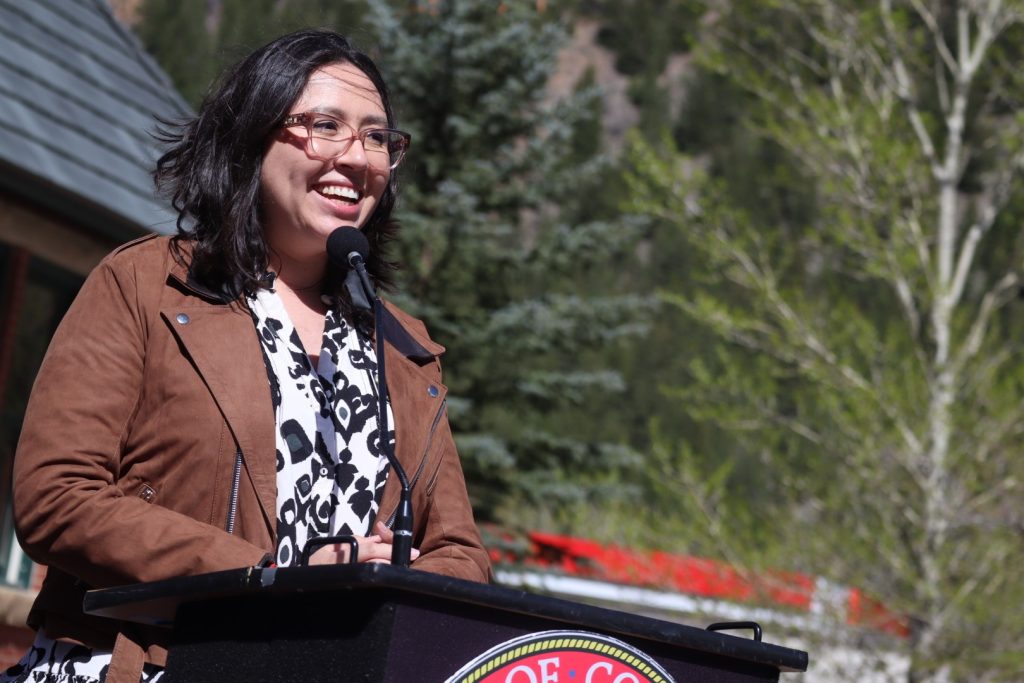
Velasco, whose district includes Aspen and Glenwood Springs, said the sheer number of vacant homes is a major driver of rural resort communities’ affordability problems.
“One of the issues that we have is that there’s not enough (housing) stock, but also, how I explain it to people, is that there is unlimited demand on our communities,” Velasco said. “People want to live there, people want to recreate there, but it’s not affordable for people that are actually locals, that work there, that raise their families there.”
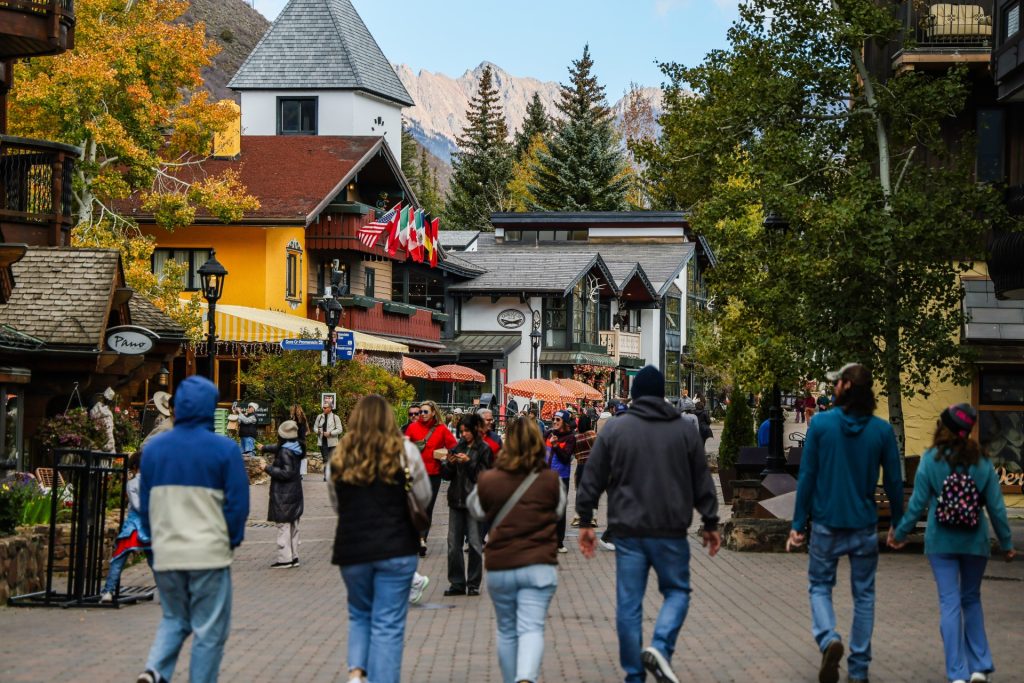
Over 40% of homes in some mountain counties are vacant throughout the year, with some vacancy rates as high as 70%, according to a regional study by a coalition of ski town governments that analyzed 2020 U.S. Census data.
Part of the goal behind a vacancy tax, supporters say, is to incentivize renting those homes to locals.
“If you have a vacant home, why not make it accessible to people who need housing, who actually live in our communities year-round and are not just there for a week out of the year,” Velasco said.
If a vacant home incurs the tax, local governments would be able to use that money for affordable housing efforts, giving them a new revenue stream.
“The biggest barrier in some of these resort communities to building affordable housing is lack of dollars,” said Margaret Bowes, executive director for the Colorado Association of Ski Towns, which has long advocated for a vacancy tax bill.
Bowes said a vacancy tax isn’t meant to penalize second-home owners, but serve as an acknowledgment that “our local workforce needs support to be housed locally, and that (second-homeowners) can be part of the solution.”
Bowes stressed that the bill does not automatically implement a vacancy tax. Local governments would still need to bring that to voters, who would have the final say.
“Not every (ski resort) community is going to be interested in pursuing a vacancy tax, but some might,” Bowes said.
The bill defines a vacant home as a property that is unoccupied and not used for a “specified amount of time,” which would be determined by the county or municipality that is seeking to impose the tax.
Notably, the bill does not consider short-term rentals to be vacant homes, meaning those properties would be excluded from any vacancy tax. The issue was a sticking point in past years when potential legislation was being considered.
“This bill was not about short-term rentals,” Velasco said.
Velasco said many resort towns already have voter-approved short-term rental taxes and other regulations. She said the “short-term rental conversation will continue to move forward,” but that she supports leaving those policies largely in the hands of local communities “for now.”
Julie Koster, executive director for the Colorado Short-term Rental Association, a recently-formed statewide group that advocates on behalf of the vacation rental industry, said she was happy to see lawmakers exempt lodging properties from the bill.
“As written, today, the bill is mostly positive or neutral for the (short-term rental) industry,” Koster said. “It could even create a sort of modest tailwind by nudging owners whose homes would otherwise be sitting vacant to enter the rental market.”
Short-term rental owners have battled the legislature in recent years over policies that they see as a threat to their industry and resort economies.
That includes a high-profile fight in 2024 over a bill that would’ve quadrupled short-term rental owners’ property taxes by reclassifying their homes as commercial lodging properties, instead of residential. Massive resistance from the short-term rental industry ultimately killed that proposal, and lawmakers have not attempted to bring a similar bill forward since.
Koster said the organized campaign by short-term rental owners has helped legislators become more informed about the vacation rental industry. She sees the exclusion of short-term rentals from the vacancy bill as vindication of those efforts.
“I would say there’s been a tremendous vibe shift just from us showing up at the Capitol and bringing a groundswell of support from the short-term rental industry,” Koster said.
Still, the bill is in the early stages and could face numerous amendments as it works its way through committee hearings and floor votes.
“Our biggest concern is not necessarily what it looks like today, but how it could evolve and what sort of amendments could come down the road,” Koster said. “So, we’ll certainly keep a close eye on it.”
Bowes said she feels optimistic now that a vacancy tax bill has finally been introduced, but that it’s unclear whether it has the support to pass the legislature.
“We really feel like the conversation is advancing,” Bowes said, while adding, “I think it’s just too early to know what its fate might be.”
Shelby Wieman, a spokesperson for Gov. Jared Polis’ office, said in a statement that Polis is “still reviewing this legislation but is highly skeptical of the idea of a vacancy tax.”
HB 36 was referred to the House Finance Committee, which has not yet set a hearing date for the bill. The legislative session began Jan. 14 and will last through May 13.









Support Local Journalism
Support Local Journalism
The Sky-Hi News strives to deliver powerful stories that spark emotion and focus on the place we live.
Over the past year, contributions from readers like you helped to fund some of our most important reporting, including coverage of the East Troublesome Fire.
If you value local journalism, consider making a contribution to our newsroom in support of the work we do.