Colorado lawmakers pass bill to control costs, emissions of coal plants forced to stay open due to federal orders
Two Democrats representing northwest Colorado, where a coal plant in Craig has been forced to stay open by the Trump administration, opposed the bill

Robert Tann Follow
Eli Pace/Steamboat Pilot & Today archive
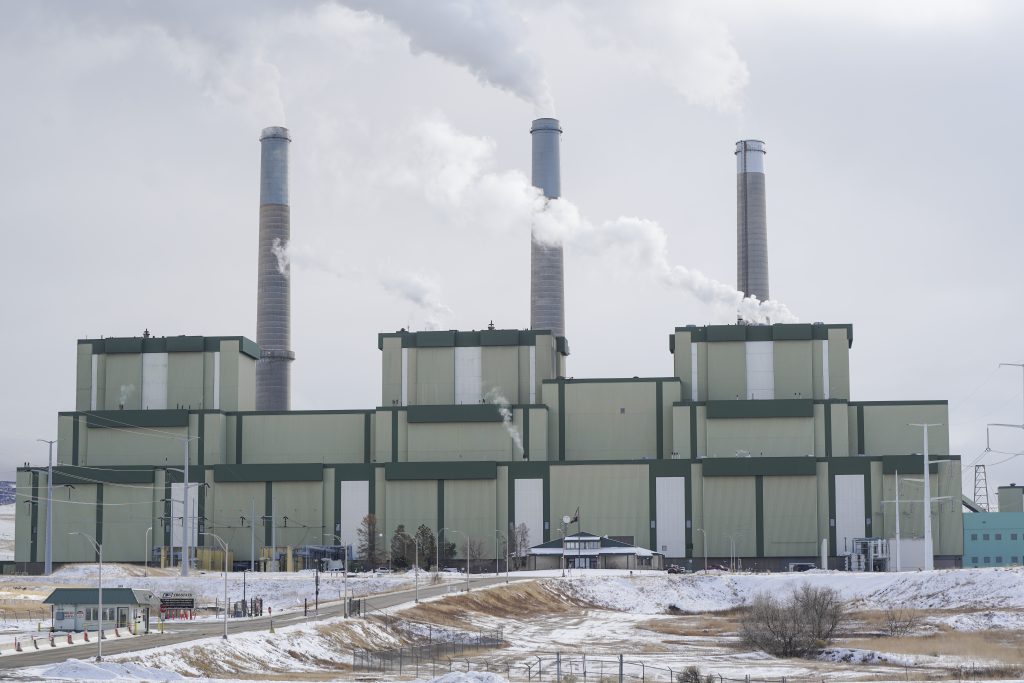
A Colorado bill aimed at mitigating the fiscal and environmental impacts of coal-fired power plants that are forced to remain open due to federal orders is on its way to Gov. Jared Polis’ desk.
The measure, House Bill 1226, comes in response to the Trump administration’s push to stop coal plant closures, including in Colorado. The U.S. Department of Energy, in late December, prevented the scheduled closure of an aging coal plant in Craig due to what it said was an energy “emergency” in the West.
HB 1226 would mandate that plants implement new pollutant controls to limit further emissions of nitrogen oxides and sulfur dioxide by the end of 2034. It would also require coal plant operators that are subject to federal orders to report the cost and energy output associated with staying open, and allow utility operators to receive low-interest, state-backed bonds to help pay for keeping their plants online. Proponents hope that will help protect ratepayers from shouldering exorbitant costs.
The bill passed the House and Senate on a mostly party-line vote, with nearly all Democrats voting in favor and all Republicans opposed. The measure, which cleared its final vote on May 7, now heads to Gov. Jared Polis’ desk.
Two Democrats, Rep. Meghan Lukens of Steamboat Springs and Sen. Dylan Roberts of Frisco, voted against the bill. Both represent northwest Colorado, where Craig Station Unit 1 is located in Moffat County.
“While I believe that Coloradans should be in charge of our state’s energy future, and not the federal government, I voted ‘no’ on HB26-1226 after feedback from my community, and because I wanted to see more engagement with coal communities and workers about the bill’s impact,” Lukens wrote in a text message statement. “I appreciate the engagement from everyone in my district on this issue.”
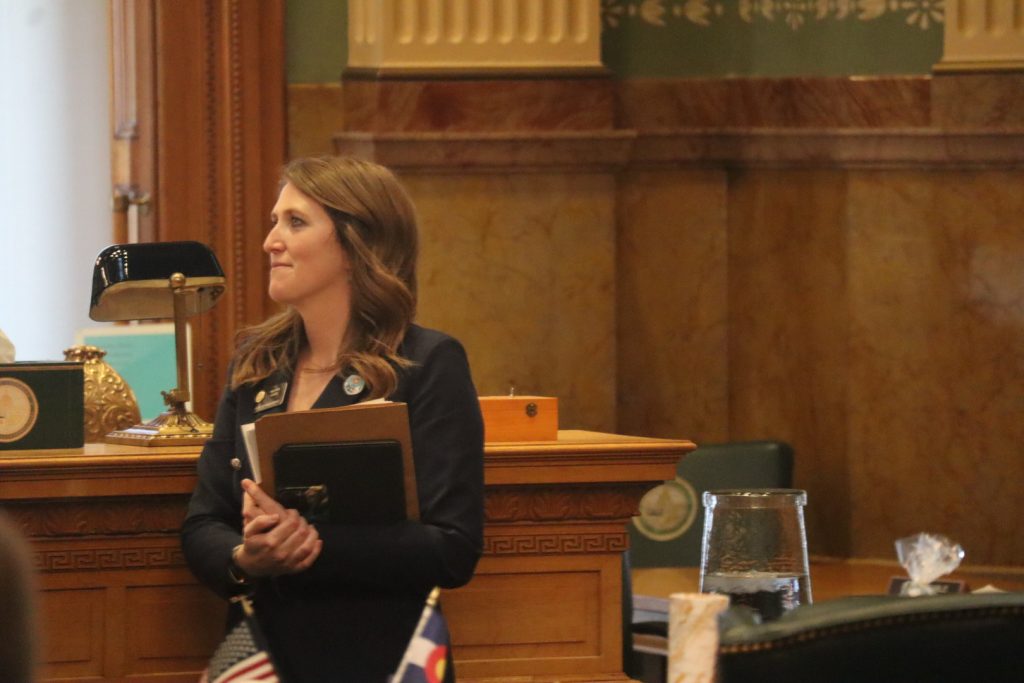
Roberts also raised concerns with what he said was a lack of outreach to affected community members in his district.
“As the senator who represents those folks, that gives me great pause and concern about the way that this policy-making has gone,” Roberts said as the bill was being debated in the Senate on May 4.
Northwest Colorado is at the forefront of the state’s shift away from coal. Two coal-fired power stations in Craig and Hayden are scheduled to close before the end of the decade as utility providers eye cheaper renewable energy and natural gas production and the need to adhere to the state’s clean energy mandates.
The loss of those facilities, which sustain hundreds of jobs and generate millions of dollars in annual property tax revenue — largely for schools — is expected to have major economic ripple effects throughout the region.
While the first of Craig Station’s three coal plants was scheduled to retire on Dec. 31, the plant has been kept open after the Trump administration invoked section 202(c) of the Federal Power Act, which allows the U.S. Department of Energy to keep power plants running during times of crisis, such as war or energy shortages.
Roberts said he felt both the Trump administration and Democratic lawmakers were using the Craig plant as a “political football” in their ongoing tug-of-war over the future of coal.
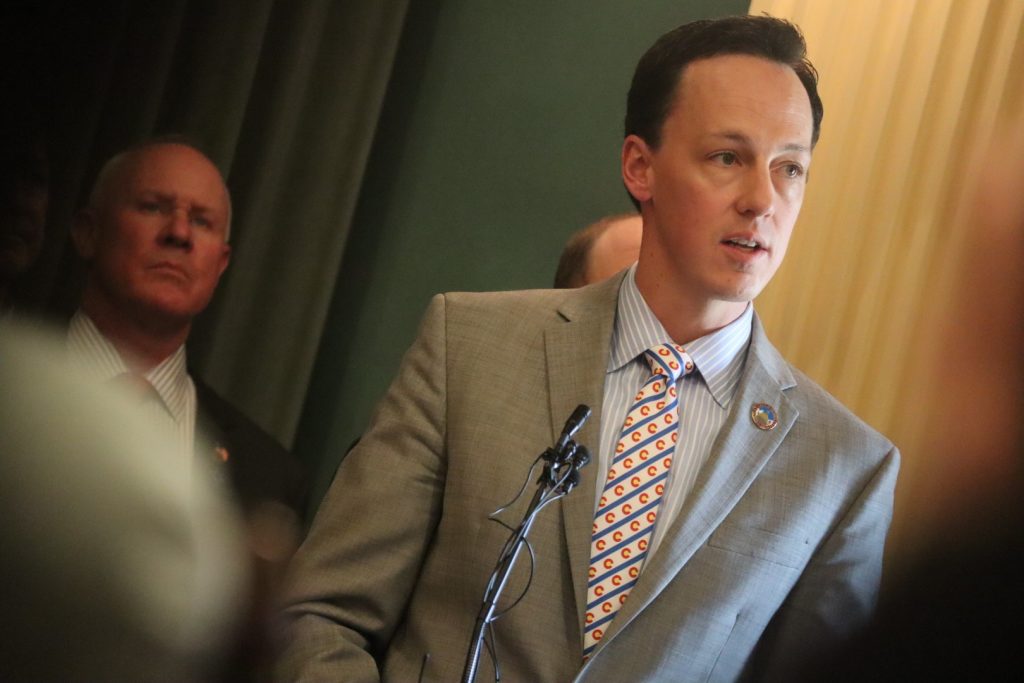
“We’re having a very difficult conversation in northwest Colorado, and jamming through policy like this, without engaging those folks, is not the most productive way to move forward,” Roberts said of the Democrats’ bill.
The bill’s proponents said they needed to take action to prevent the Trump administration’s policies from derailing Colorado’s clean energy goals. The state is legally committed to reaching 100% net-zero greenhouse gas emissions by 2050.
But lawmakers compromised on the bill’s timeline for when coal plants would need to have new emission controls in place. Originally, the bill would have required compliance for coal plants forced to stay open past Dec. 31, 2029, but that was extended to Dec. 31, 2034.
“We can’t set unrealistic timelines,” said Rep. Meghan Froelich, an Englewood Democrat and lead sponsor of the bill. Other bill sponsors were Rep. Jenny Wilford of Thornton and Sens. Lisa Cutter of Littleton and Mike Weissman of Aurora.
“I think plans that are both specific and attainable are better than promises that won’t be met,” Froelich added.
Froelich acknowledged that while the bill’s pollution control requirements won’t take effect until after the second Trump administration ends, she believes the administration’s policies could take years to unwind.
“In general, we’re going to have a long time crawling out from some of the rulemaking that has occurred,” Froelich said.
Platte River Power Authority, which co-owns Craig Station Unit 1, had initially raised concerns with the bill’s requirements for emission controls. During a committee hearing in February, Leigh Gibson, Platte River Power Authority senior external affairs specialist, said the measure could cost the plant more than $100 million over 10 years to implement.
“This would only drive rates up further and for municipal utilities, all costs are passed onto utility customers,” Gibson said.
Since the bill was amended, Platte River Power Authority has shifted its position on the legislation from opposed to neutral, according to spokesperson Maia Jackson.
Tri-State Generation and Transmission Association, another Craig Station co-owner and the plant’s main operator, is also neutral on the bill.
But in an email, spokesperson Mark Stutz said, “It is important for us to ensure that any additional requirements do not unnecessarily add costs to our rural cooperative members.”






Support Local Journalism
Support Local Journalism
The Sky-Hi News strives to deliver powerful stories that spark emotion and focus on the place we live.
Over the past year, contributions from readers like you helped to fund some of our most important reporting, including coverage of the East Troublesome Fire.
If you value local journalism, consider making a contribution to our newsroom in support of the work we do.