First beaver deceiver installed on Fraser River

Izzy Wagner Follow
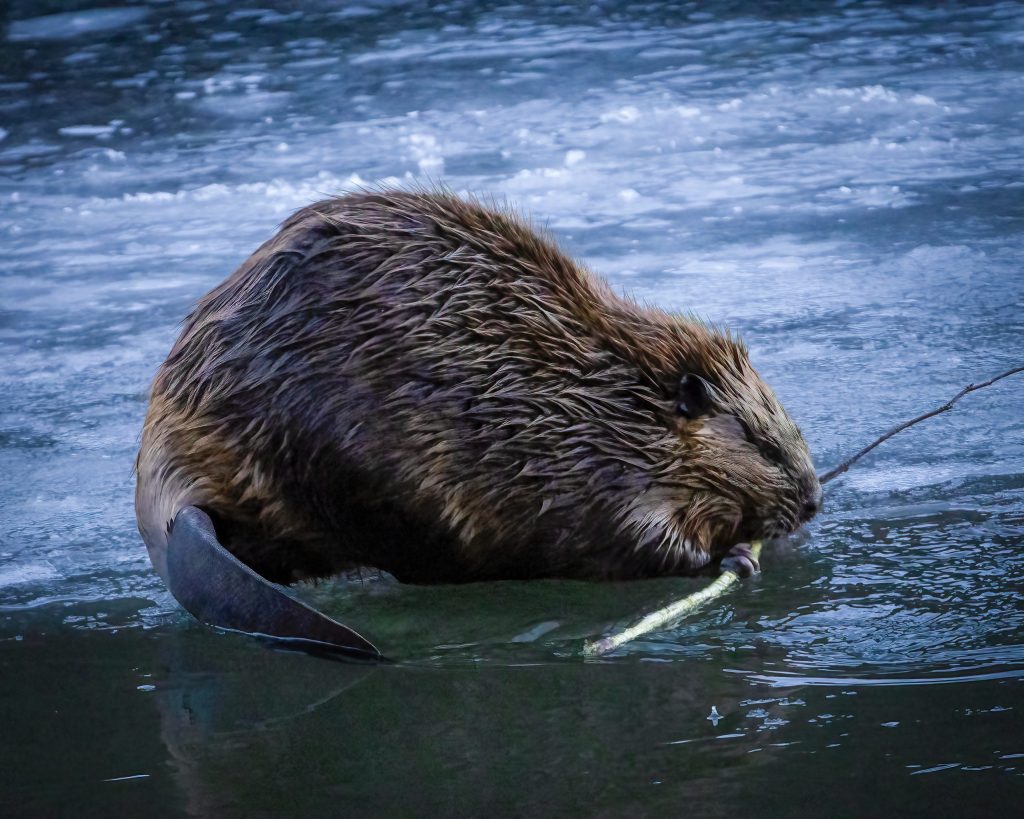
Rick Spitzer/Vail Daily archive
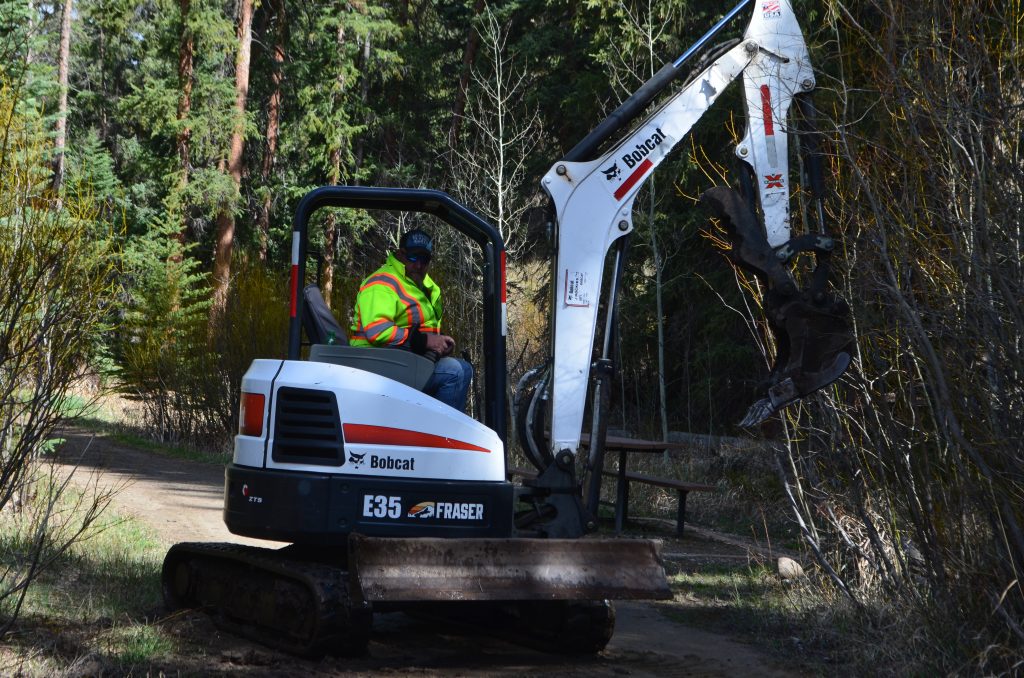
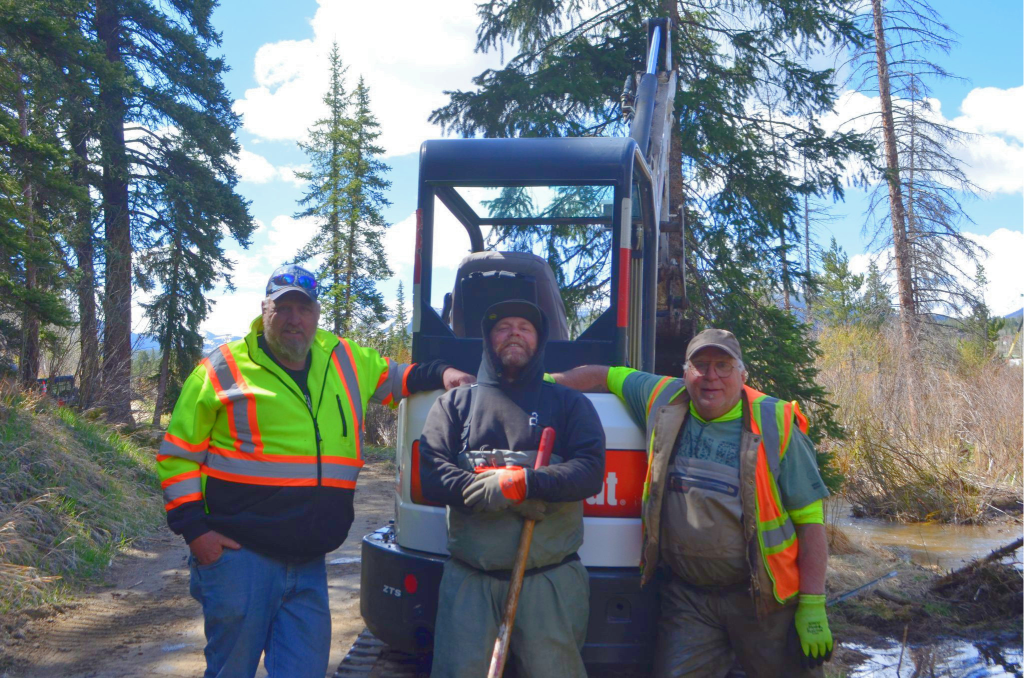
Crews were knee-deep in the Fraser River near the town of Winter Park on May 7 and 8 with a mission: to save the beavers, maintain the river and prevent erosion of nearby trails.
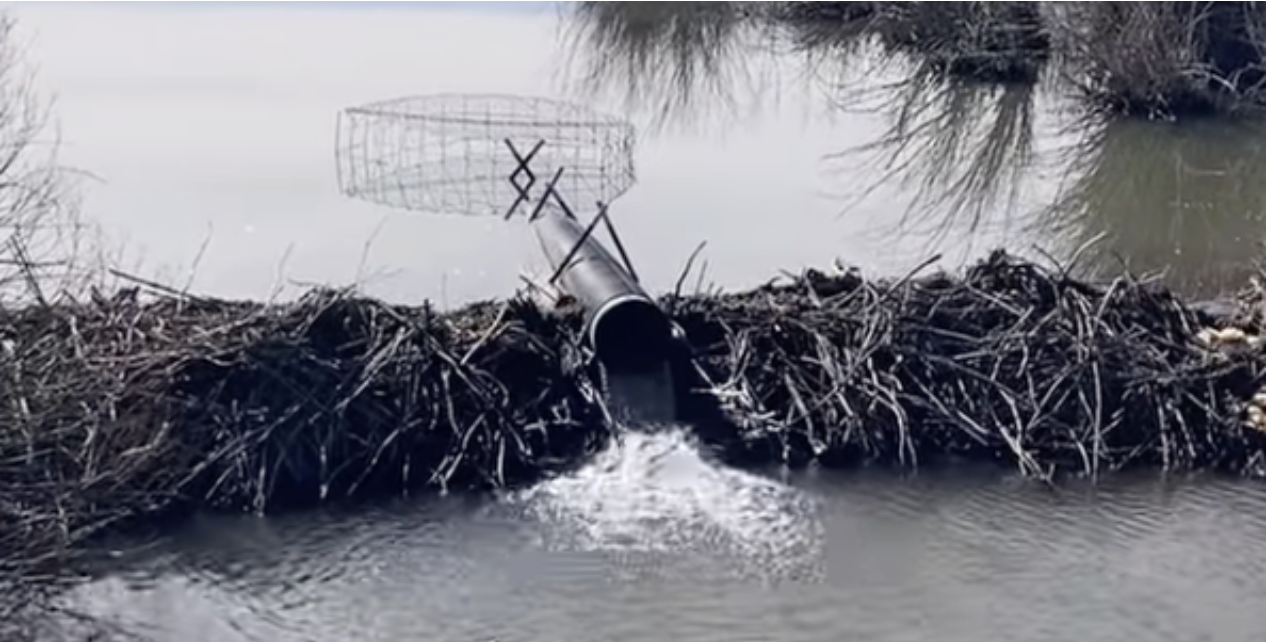
Town public works staff installed two new beaver deceiver devices with the intention of preventing beavers from clogging culverts and washing out the Fraser River Trail. The deceivers are long underwater pipes that run from one end of a dam to the other, allowing the river to continue flowing through dams that would otherwise block it.
Without these devices, organizations would typically kill off beavers to prevent excess damming. But that method has proven ineffective as a long-term solution because, over time, new groups of beavers often return to the area. Additionally, the kill method ignores the ecological benefits that beavers provide to wetlands; as a keystone species, beavers play a crucial role in protecting delicate wetland habitats.
Slowed water flow from beaver dams results in more wetlands, whose nutrient-rich sediment supports plant growth, provides more habitat for wildlife and leads to cleaner water.
The town of Fraser is funding the project, according to the installation crew, with costs totaling about $1,000 per device, plus consultation and labor fees. This new device is located near the intersection on Rendezvous Road and the Fraser River Trail on the north end of Winter Park.
“You can’t put a price on beaver lives,” Joe McDonald, an equipment operator with the town, said. “Beaver lives matter.”
In addition to saving beaver lives, the crew is also protecting the Fraser River Trail from erosion. The new devices will streamline water flow so that the river does not eat into the trail, a popular spot for walking, running and biking.
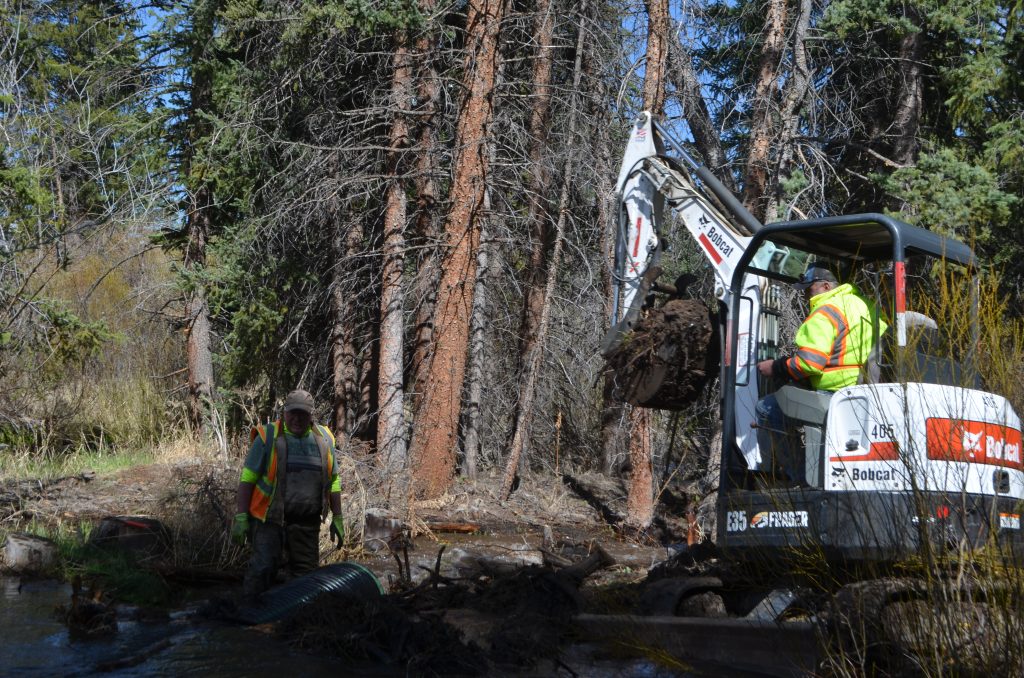
“With this device, the dam won’t ruin the Fraser River Trail,” Jeremy Jones, a member of the three-man installation crew, said. “The river is starting to moisten the trail and eventually would flood it if we didn’t intervene.”
Once installed, the devices are easily identifiable by the round opening in the middle of a dam through which water pours. The beavers, however, won’t see them as a threat to their work and will continue building around them.
These two culverts are the beginning of a larger project to address damming issues along other stretches of the Fraser River, Jones said. Additionally, Fraser Planning Commissioner and President of the Upper Colorado Watershed Environmental Team, Andy Miller, has expressed interest in a broader beaver protection strategy.
As part of his involvement with the environmental team, he is spearheading efforts to bring back beavers to Grand County’s landscape. The team is also working with Colorado Parks and Wildlife on a potential beaver rehabilitation center in the county.
“A beaver rehabilitation center here is a little ways off, given the state of Colorado’s current beaver plan,” Miller said. “So we’re a little premature on that, but we’re going to try and work to see if we can do some studies to see where beavers could be on the landscape in the future and work to find those places.”
Miller has already identified areas such as Willow Creek Reservoir that suffered severe wildfire damage and willow loss as places that could use the help of beavers. In the case of willow restoration, the goal is to create more dams to flood the wetland areas and provide enough water for willows to grow.
“The wetlands up there are really starving for water,” he said. “So those are perfect places to move beavers in.”
For now, Fraser River enthusiasts hope its beaver management will be a success story, creating space for the natural ecosystem to thrive while keeping water flowing and “problem beavers” to a minimum.





Support Local Journalism
Support Local Journalism
The Sky-Hi News strives to deliver powerful stories that spark emotion and focus on the place we live.
Over the past year, contributions from readers like you helped to fund some of our most important reporting, including coverage of the East Troublesome Fire.
If you value local journalism, consider making a contribution to our newsroom in support of the work we do.