Grand County residents question McCluskie, Roberts at Granby town hall
Nick Walther/For Sky-Hi News
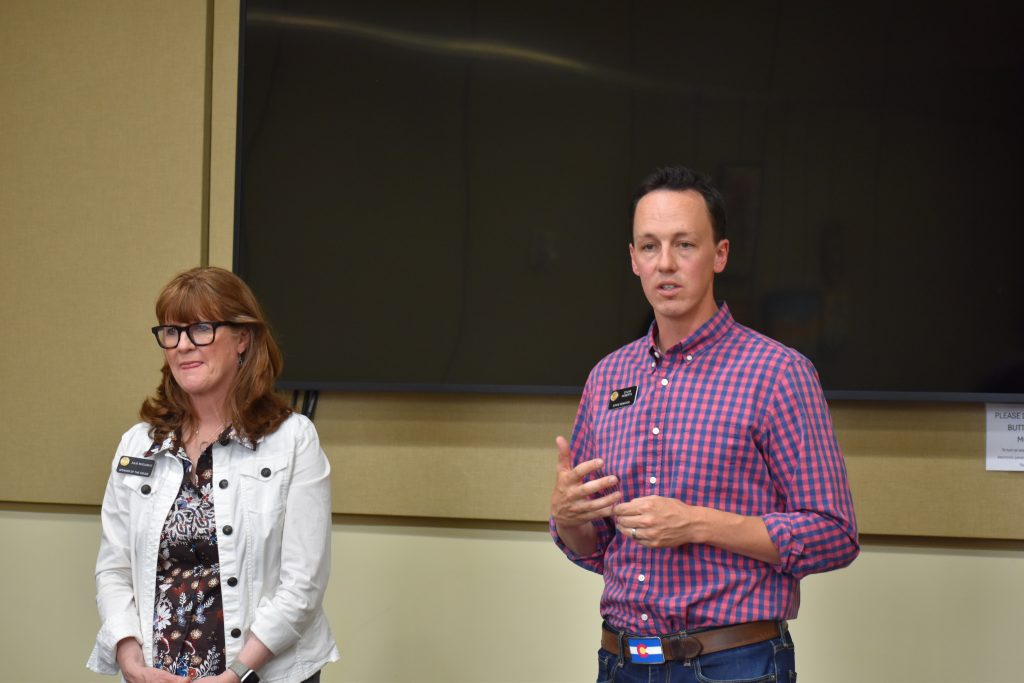
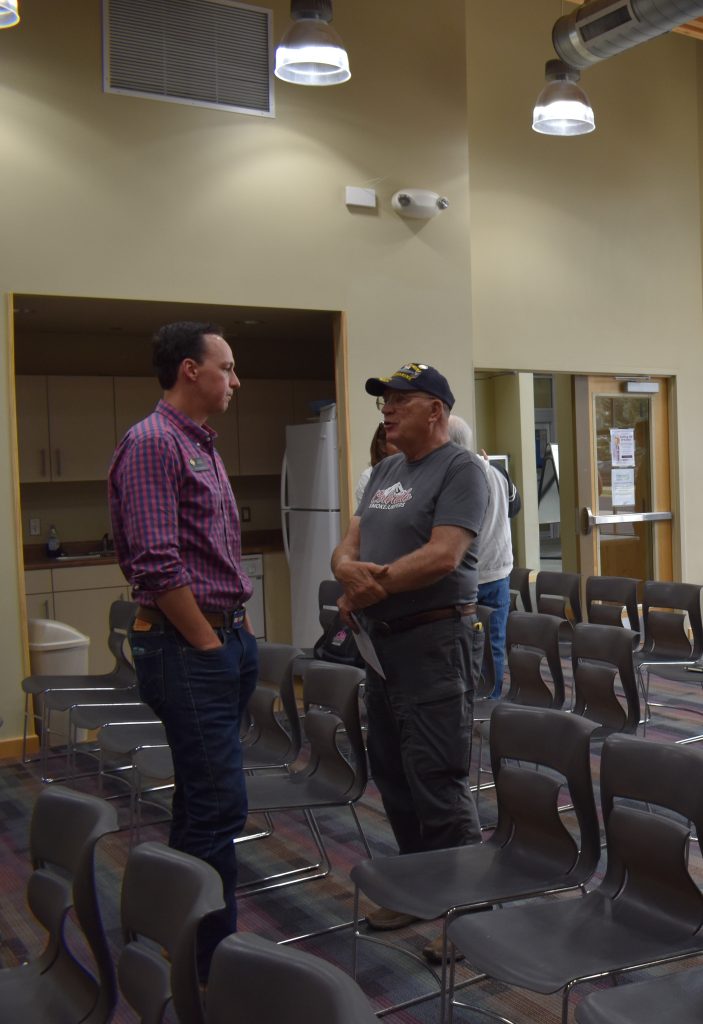
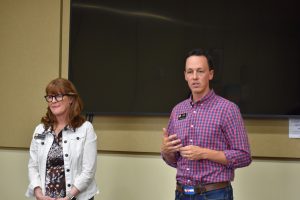
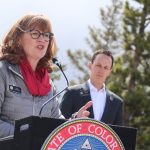
On June 24, House Speaker Julie McCluskie and state Sen. Dylan Roberts met with Grand County residents at the Granby Library for a recap of the 2026 legislative session.
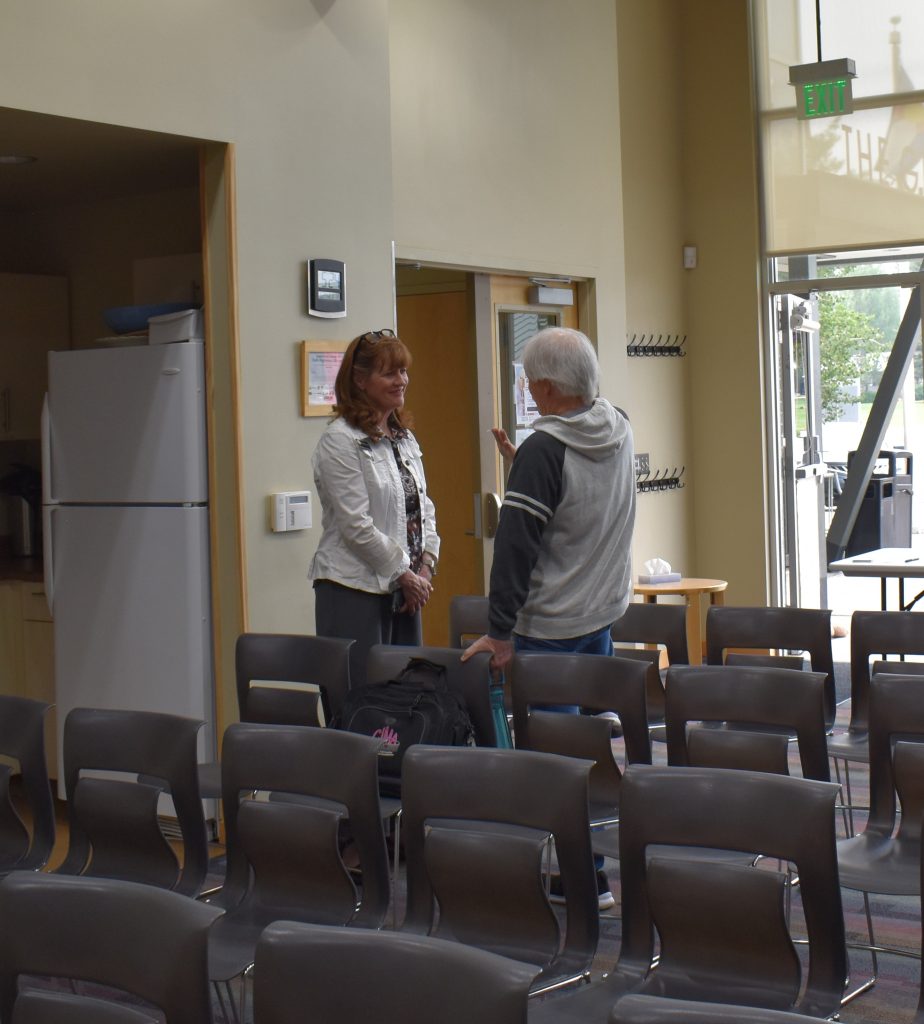
The meeting was lightly attended, with about 20 residents compared with about 80 at the last legislative meeting, an aide said.
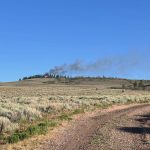
Outside, the sky was dark from smoke and light ash fell from fires burning in Colorado and Utah. Inside the library, community members posed questions on TABOR refunds, health care cuts and education funding, as well as drought measures, fire mitigation, water rights and water use.
2026 legislative meeting recap
After speaking with attendees, McCluskie and Roberts highlighted efforts to address a $1.2 billion gap in Colorado’s budget caused by a sharp drop in revenue and rising Medicaid costs, and what that means for Grand County. McCluskie outlined how lawmakers addressed the gap, where lawmakers made cuts and where they continued investing.
McCluskie highlighted her favorite bill of the year, House Bill 26-1065 “Transit and Housing Investment Zones” saying it would create more affordable housing and a more transit-friendly environment for Winter Park. The bill would deliver state dollars through a through tax increment financing, or TIF, McCluskie said. She also touted Senate Bill 26-155 “Increase Access Homeowner’s Insurance Enterprise,” which addresses rising property insurance premiums by providing grants directly to homeowners who install hardened, hail-resistant roofs.
Roberts highlighted Senate Bill 26-001 “Workforce Housing & Housing Tax Credit,” which lifts the prohibition on using general fund property tax revenue to support multi-jurisdictional or statutory housing authorities, giving counties the ability to use property tax revenue for workforce housing. He also emphasized SB 26-141 “Wildlife Collision Prevention,” which allows drivers to pay an optional $5 fee on annual registration to protect wildlife, and SB 26-035, which increases penalties for passing illegally on a double yellow line.
Roberts was especially proud to highlight House Bill 26-1230 “Increase of Traffic Violation Penalties,” which extends the conservation easement tax credit program for five years. It had been set to expire in 2031. He also touted SB 26-010 “Agricultural Property Tax Definitions,” which clarifies definitions of grazing animals in reference to Granby-based Sisu Farms.
Road funding and education costs
McCluskie and Roberts opened the meeting to general questions. The first was from Jeremy Krones, a community member running for District 3 county commissioner as an independent, who asked about Initiative 175 “State Revenue Supporting Road Transportation,” which some groups say would undermine the Restore Our Roads ballot measure.
McCluskie said the $1.2 billion deficit makes funding decisions difficult and said the ballot measure would deliver $500 million to roads, diverting money from schools and Medicaid. She also mentioned a proposed TABOR spending-cap lift for K-12 education that could be introduced later this year. If passed, it would free up more funding for roads. Roberts said there is still time to negotiate Initiative 175’s language, since the ballot won’t be finalized until later this year.
The next questions turned to the TABOR spending-cap lift and TABOR refunds. In response to an attendee asking how extra money from the lift would be used, McCluskie said the ballot measure would lift the cap temporarily and warned that if the state is short again next year, no one would get a TABOR refund. Another attendee said she would prefer letting her TABOR refund be used directly, saying her refunds have been only in the low two figures.
One attendee in Grand County’s early childhood education community questioned whether the excess TABOR funds would be directed toward child care. McCluskie touted carrying House Bill 26-1004 “Continuation of Child Care Contribution Tax Credit,” but said they couldn’t drive any more revenue to child care specifically.
Medicaid cuts and health care concerns
Several attendees voiced concerns about cuts to Medicaid. One spoke for her elderly mother, who could not attend. Another raised the travel time from Grand County to see medical specialists, and the difficult choice patients face about staying at high elevation or moving lower. McCluskie said she is working with lawmakers to provide more grant funding to recruit and retain medical professionals in those areas.
A health care worker raised caregiver concerns about a recent Justice Department memo related to Olmstead v. L.C., the Supreme Court decision that says people with disabilities have a right to receive services in the community. McCluskie and Roberts expressed empathy; Roberts said he’d received similar emails but that no one in Grand County had been denied care.
Social media, data centers and drought conditions
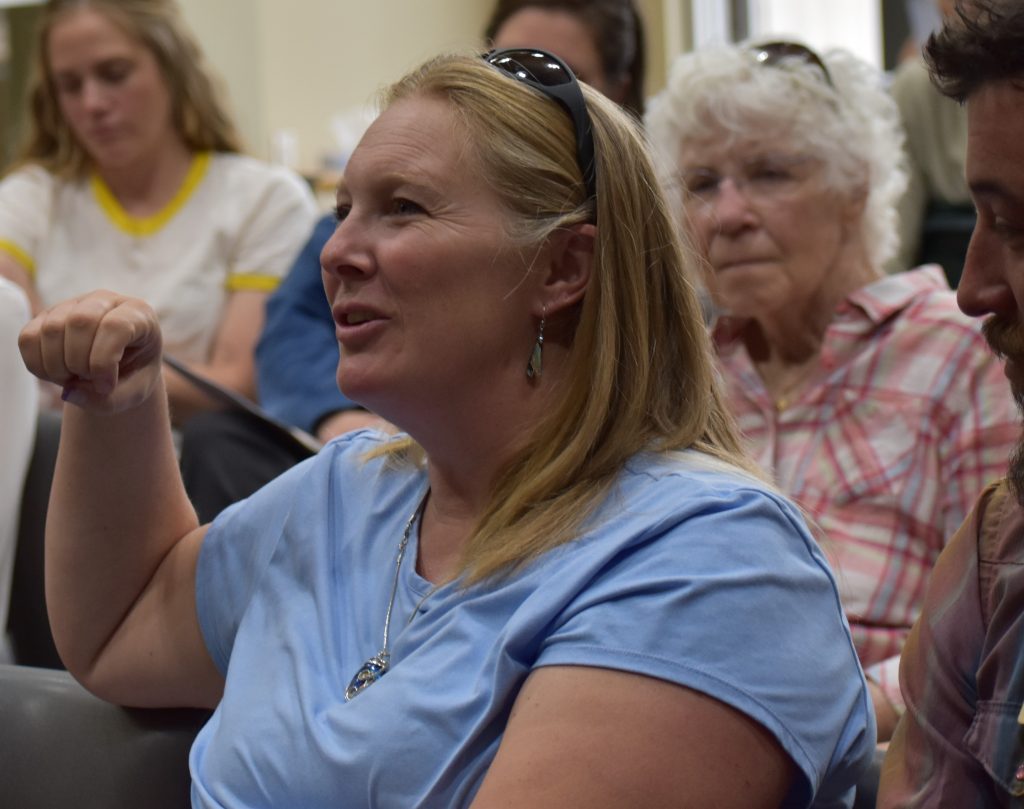
Jen Fanning, a community member, asked whether there was any movement to limit social media use by children. Sen. Dylan Roberts said it is a personal priority and touted Senate Bill 26-011 “Search Warrants Provided to Covered Platforms,” which would require social media companies to comply with law enforcement warrants in investigations of crimes on their platforms.
He noted roadblocks from tech companies fighting regulation. McCluskie pointed to the success of House Bill 25-1135 “Communication Devices in Schools,” which regulates phone use in schools, and said high schools have given only positive feedback.
An attendee asked about data center development. Roberts said about 60 data centers already operate in Colorado and noted counties can impose their own restrictions. He added some communities he represents view data centers as an economic opportunity to revitalize their towns. Grand County recently imposed a one-year moratorium on the construction of data centers that lasts until June 24, 2027.
The conversation then turned to water use. Roberts, echoing McCluskie’s concerns about environmental protection, said he is learning more about data centers and has seen promising indications that technology is developing to make data centers that are economically feasible and use little water, though he did not cite studies.
He said drought conditions are severe and that the Colorado Drought Task Force was activated in March, earlier than ever before. He noted places such as Summit County are imposing water restrictions and that counties will exercise their water rights. McCluskie praised Rep. Joe Neguse for securing $40 million in federal funding for the Shoshone Water Rights Preservation Project.
On fire mitigation, McCluskie praised the Grand County Sheriff’s Office for amplifying public messages about wildfire prevention. Grand County began Stage 2 fire restrictions on Friday.







Support Local Journalism
Support Local Journalism
The Sky-Hi News strives to deliver powerful stories that spark emotion and focus on the place we live.
Over the past year, contributions from readers like you helped to fund some of our most important reporting, including coverage of the East Troublesome Fire.
If you value local journalism, consider making a contribution to our newsroom in support of the work we do.