A look at legislation passed in the aftermath of the East Troublesome Fire
Legislation since 2020 has strengthened wildfire studies, improved insurance policies and incentivised sustainable rebuilding methods.
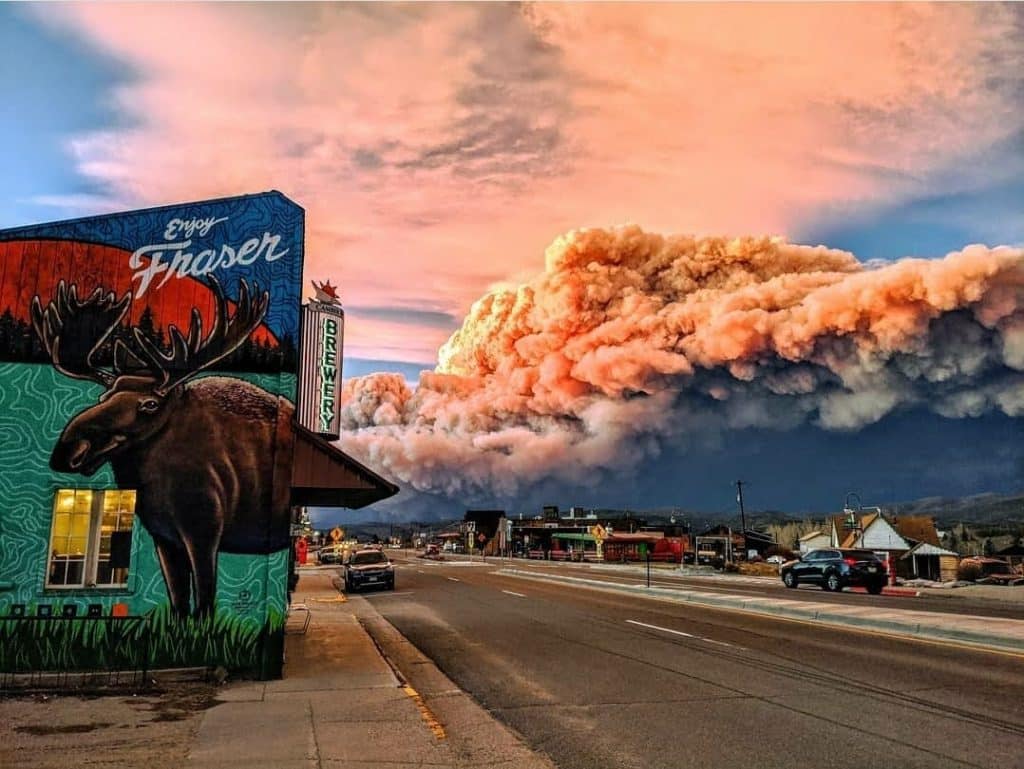
Camber Brewing/Courtesy photo
It has almost been three years since the East Troublesome Fire was officially declared contained, and while the flames and smoke finally subsided on Nov. 30, 2020, the true recovery was just beginning. Since the fire there have been reforestation projects, watershed recovery, and fuel reduction and mitigation efforts involving a slew of collaborations and coalitions .
The East Troublesome Fire started north of Kremmling in the Arapaho National Forest on Oct. 14, 2020. The fire continued to grow until it exploded on the afternoon of Oct. 21 where it burned 87,093 acres in one day. Fueled by widespread drought, dead trees, high winds and dry conditions, the fire grew at an unprecedented rate.
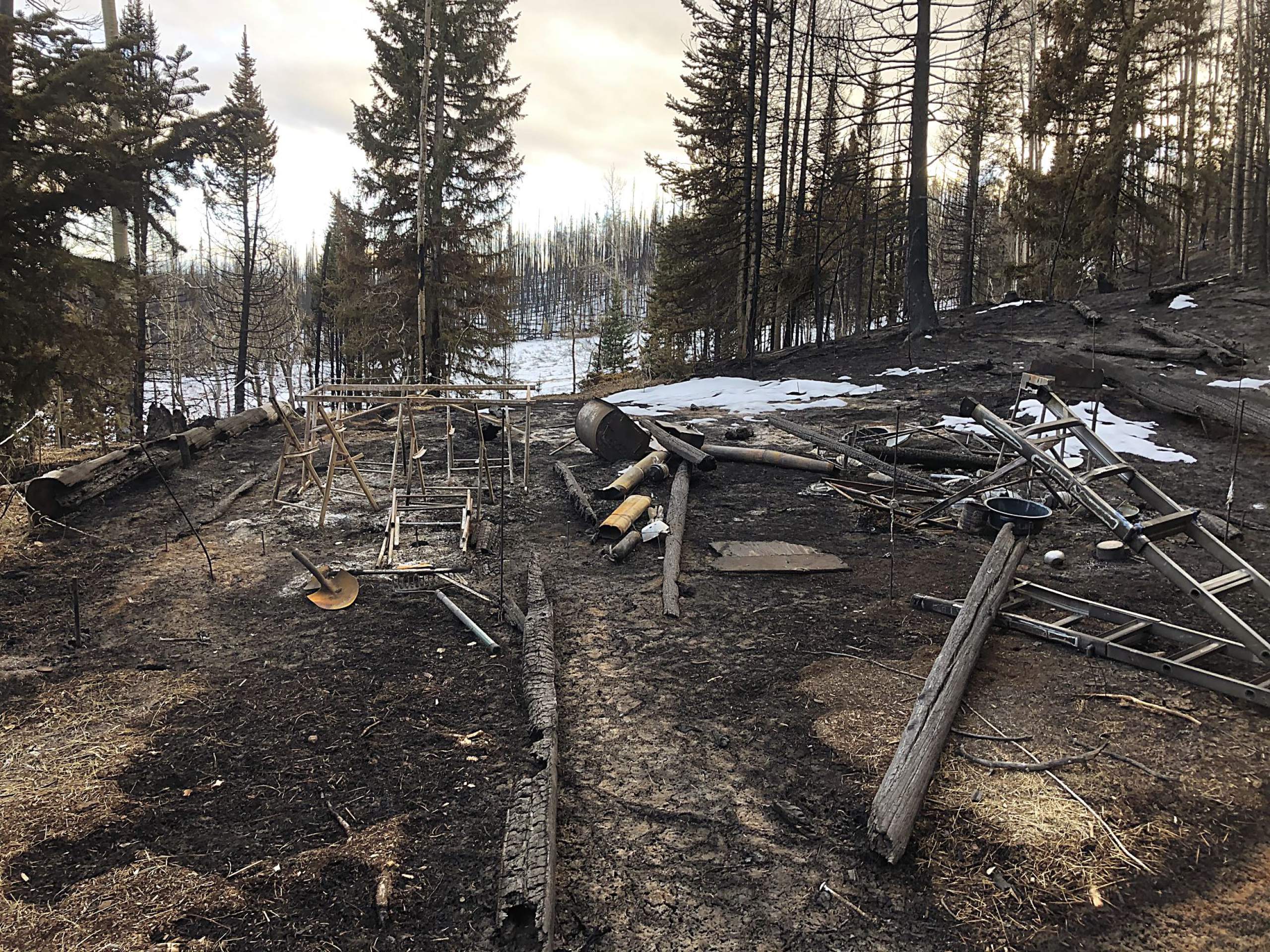
The three year anniversary of the fire igniting has passed and the long lasting impacts are still being felt. Troublesome left more than a burn scar, it destroyed over 500 structures and two people were killed. For better or worse a lot of things have changed since then. Insurance, legislation, wildfire management and the community have all adapted to this devastating fire.
Resources put towards research
The U.S. Department of Agriculture Wildfire Mitigation and Management Commission were tasked in 2021 with improving how federal agencies across the nation manage wildfire. The commission released a report Sept. 27, 2023, which included some of the most wide and sweeping recommendations in regards to wildfires.
- Urgent new approaches to address the wildfire crisis
- Supporting collaboration to improve partner involvement at every scale
- Shifting from reactive to proactive in planning for, mitigating and recovering from fire
- Enabling beneficial fire to reduce the risk of catastrophic wildfire
- Supporting and expanding the workforce to hire and retain the wildland firefighting staff needed to address the crisis
- Modernizing tools for informed decision-making to better leverage available technology and information
- Investing in resilience through increased spending now to reduce costs in the long run
The National Fire Protection Association released a statement in support of the report when it was released.
“If we truly want to shift the trajectory of the wildfire crisis, the status quo cannot continue. Significant changes must be made to better prepare communities from wildfire,” said Michele Steinberg, director of the NFPA wildfire division in a press release.
Streamlining the insurance claims process

The Colorado House passed a bill in 2022 which tackled insurance coverage in regards to fire disasters. House Bill 22-1111 established new coverage requirements for homeowner’s insurance policies issued or renewed in Colorado. In the event of a total loss of an owner-occupied residence as the result of a wildfire disaster that is recognized as such by the governor, is when these requirements apply.
This bill was passed in the aftermath of the Marshall Fire in 2021 and the East Troublesome Fire in 2020.
The East Troublesome Fire was the second-largest fire in Colorado recorded history with a total of 193,892 acres burned in less than two months, according to the U.S. Forest Service. The fire also destroyed 366 homes and 186 structures like barns and sheds.
In 2022, many people were still left disputing with their insurance companies regarding what they were owed.
Under a 2013 state law, insurance companies had to immediately pay victims 30% of the value of their lost contents after a total loss. House Bill 22-1111 requires insurers to pay victims at least 65% of their lost covered contents before receiving an inventory.
Other portions of the bill help to streamline the process of filing claims after natural disasters. After a renter or homeowner submits an inventory of their items lost to a wildfire, the law requires insurers to request any additional information within 30 days of submitting that claim. Insurers must also reimburse policyholders for the cost of privately contracted debris removal services within 60 days of receiving a receipt.
Natascha O’Flaherty, attorney and founder of Never Summer Law, said that after the East Troublesome Fire, she saw victims struggling with getting their insurance money back.
As an attorney familiar with contract law, she helped individuals and families figure out what their insurance companies owed them. During this experience, she saw many families struggling to understand what they were owed under their policies.
“It was just guiding people what their policy provided, having them understand what the benefits were, what the next steps were,” O’Flaherty said.
She recounted stories of people months after the fire who had still not received any compensation from their insurance companies.
“So it was clear to me that my role was to make sure they understood what their contractual rights were under the policy and what their legal rights were,” O’Flaherty said.
O’Flaherty says that she believes HB 22-1111 helps individuals get back to their lives faster. For victims of a wildfire disaster, the rebuilding process can be impossible if they don’t know how much money or resources they have to work with. She says this bill can help speed up the rebuilding process after a wildfire disaster.
Rewarded for rebuilding sustainably
The Disaster Preparedness and Recovery Resources Bill that passed in 2022, enabled homeowners to receive rebates for rebuilding their homes using sustainable methods. The bill created the disaster resilience rebuilding program which provides rebates for homeowners impacted by natural disasters and is retroactive to 2018.
Since 2018, 27 state or federal natural disasters have been declared across Colorado, according to the Colorado Department of Local Affairs. These disasters can cause extensive property loss. This includes the East Troublesome Fire.
Many Grand County residents who lost their home to the fire, opted to rebuild their homes. Homes are something that are expected to last for years into the future.
Even though there was huge levels of loss, some saw it as a chance to rebuild these homes and structures using sustainable methods.
“Homes hopefully will last for the next 100 plus years,” said Todd Budin, program manager for Sustainable Grand. “How do we make those homes the most energy efficient as possible?”
Sustainable Grand works with victims of the East Troublesome fire to get them rebates while they rebuild their homes. The rebates in Grand County come through Mountain Parks Electric and homes that have already been rebuilt may be eligible. However, the homes must be primary residences or long-term rentals in order to qualify.
According to Budin, Sustainable Grand has been able to distribute $97,000 to families in Grand County thus far.
What comes next?
After a wildfire disaster like East Troublesome, the level of destruction in the aftermath can seem impossible to bounce back from.
Three years since East Troublesome and the Grand County community has seen houses rebuilt, fundraising efforts for victims and fire mitigation, as well as resources being put towards fuel reduction.
It’s hard to say what the future holds, but communities members have proved their resiliency in response to a disaster like the East Troublesome Fire.

Support Local Journalism
Support Local Journalism
The Sky-Hi News strives to deliver powerful stories that spark emotion and focus on the place we live.
Over the past year, contributions from readers like you helped to fund some of our most important reporting, including coverage of the East Troublesome Fire.
If you value local journalism, consider making a contribution to our newsroom in support of the work we do.